

Overview of Popular Game Types for New Players
As you delve into the realm of gaming, new players often are likely to be drawn to well-liked game genres that provide an easy learning curve and captivating experiences. These genres prioritize accessibility, making them perfect for newcomers to the gaming scene. Recognizing the allure and common traits of these favored game types can assist beginners in selecting games that align with their preferences and abilities.
A highly popular genre for newcomers is casual gaming. Casual games usually have simple mechanics and brief play sessions, enabling players to have fun without needing a significant time investment or intricate strategies. These games often consist of simple puzzles, match-three puzzles, or laid-back adventure games, making them ideal for a quick pause or unwinding. The charm of casual gaming comes from its welcoming nature and relaxed atmosphere, fostering exploration without putting pressure on new players.
Simulation games are another favored category among gamers. They replicate real-world activities or systems, such as overseeing a farm, a city, or managing a business. Newcomers find simulation games appealing as they can advance at their own speed and try out different strategies without facing instant repercussions. The engaging and frequently informative aspects of this genre make it an excellent option for beginners looking for enjoyment and a feeling of achievement.
Action-adventure games are very popular among newcomers. This genre merges aspects of exploration, puzzle-solving, and combat, creating an engaging and well-rounded experience. These games usually present intuitive controls and straightforward objectives, making them easy to pick up while still offering sufficient complexity to maintain player interest. The excitement of exploring new environments and accomplishing tasks draws in many beginners eager to dive into captivating narratives and lively gameplay.
Ultimately, puzzle games are a fundamental part of the array of popular game genres for new gamers. They stimulate the brain without requiring quick reflexes or a lot of background knowledge. Puzzle games come in many forms, including logic challenges, pattern identification, and word games, appealing to a variety of tastes. The joy of completing puzzles and progressing through stages inspires players and fosters confidence as they enhance their skills.
To sum up, popular game types for beginners typically emphasize ease of access, straightforwardness, and engaging advancement. Be it through casual games, simulations, action-adventure titles, or puzzles, these genres offer a welcoming introduction to the vast realm of gaming. By selecting games that match their preferences and comfort levels, newcomers can hone their abilities while enjoying themselves, setting the stage for a lifelong enthusiasm for video games.
Casual and Mobile Games
Casual games have gained popularity among novice gamers thanks to their easy access and simple mechanics. In contrast to intricate titles that demand significant time commitment and challenging learning processes, casual games provide a user-friendly experience that invites players from all backgrounds. This is especially crucial for newcomers, as it minimizes frustration and promotes ongoing participation.
The rise of mobile gaming has significantly enhanced the appeal of casual games, enabling players to enjoy their preferred titles whenever and wherever they choose. As smartphones and tablets have become commonplace, mobile gaming offers an accessible way for newcomers to discover games without the requirement of costly equipment or complex configurations. This convenience positions mobile gaming as an ideal starting point for beginners.
The layout of casual games typically centers on simplicity and immediate satisfaction, attracting newcomers who want to relax or enjoy themselves without the need for complicated controls or detailed strategies. These games focus on short gameplay sessions, easy-to-understand mechanics, and straightforward goals, ensuring that the learning curve is both seamless and enjoyable. This blend of elements helps explain why casual games and mobile gaming continue to be popular options for new players in search of both fun and accessibility.
Puzzle and Brain-Training Games
Puzzle games and brain-training applications have rapidly gained popularity among new gamers. This increase in enthusiasm is due to their easy accessibility and the captivating manner in which they stimulate users’ minds. In contrast to high-energy action games, puzzle games emphasize problem-solving and logical reasoning, making them perfect for newcomers who prefer to advance at their own speed. The diversity in this genre is extensive, spanning from straightforward match-three challenges to intricate riddles that engage various aspects of cognitive abilities.
A major factor attracting puzzle games attract new players is their capacity to deliver mental engagement while being enjoyable. These games typically include activities that enhance memory, attention to detail, and analytical skills. As players tackle progressively tougher challenges, they experience a sense of achievement that encourages them to keep playing and expanding their knowledge. Brain-training games focus on cognitive abilities like pattern recognition and spatial awareness, which can yield benefits that extend beyond the gaming experience.
Additionally, puzzle and brain-training games create a friendly atmosphere with low pressure, particularly attracting individuals who are new to gaming. These genres are widely embraced and accessible on multiple platforms, frequently showcasing vibrant visuals and user-friendly designs that enhance the gaming experience while keeping it enjoyable and relaxed. For newcomers looking for both enjoyment and cognitive challenge, puzzle games represent an ideal starting point that merges leisure with self-improvement.
Role-Playing and Adventure Games
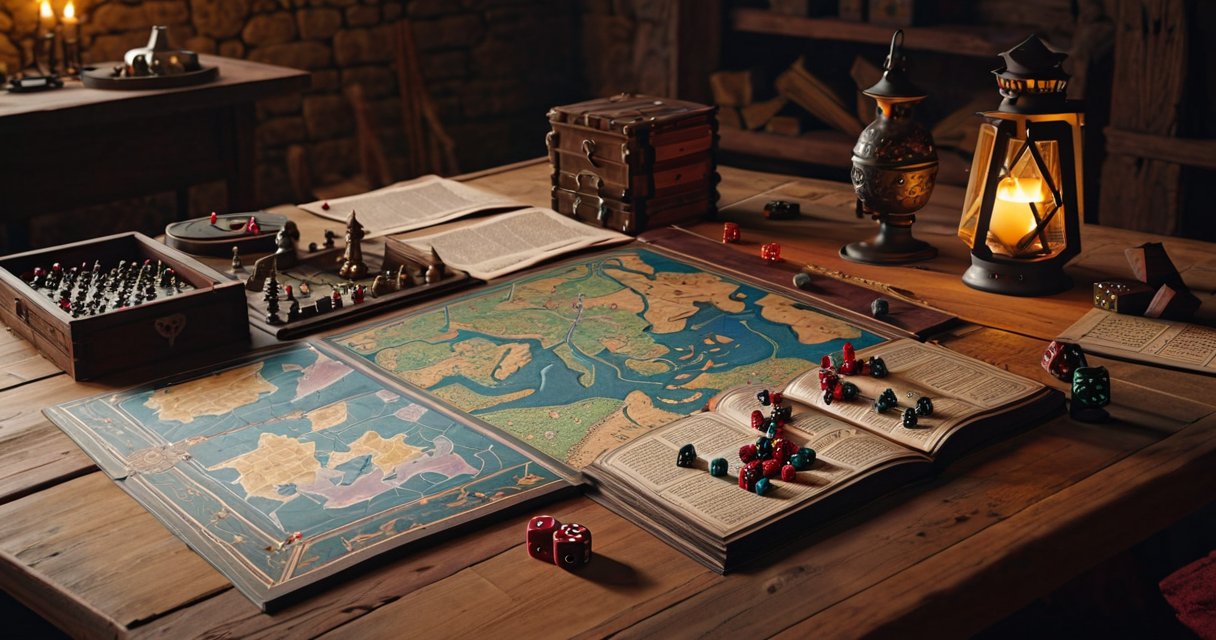
Role-playing games (RPGs) and adventure games have emerged as top picks for newcomers exploring the gaming landscape. The main attraction of these genres is their focus on storytelling, delivering an engaging experience that transcends mere mechanics or competitive play. For a lot of first-timers, RPGs and adventure games present a captivating mix of rich narratives and character evolution, making them a perfect starting point for diving into video games.
RPGs hold a special appeal as they enable players to immerse themselves in the role of a character whose journey they guide. This aspect of character evolution, which includes tailoring abilities and skills along with making impactful choices that shape the narrative, captivates newcomers. The feeling of personal advancement, paired with intricate storylines filled with lore and world-building, fosters an emotional bond that maintains player interest. In contrast to many other genres, RPGs motivate players to investigate, try new things, and engage with a dynamic, vibrant universe.
Adventure games enhance this experience by placing a strong emphasis on exploration, puzzle-solving, and story discovery. These games usually highlight a captivating narrative that unfolds as players move forward, providing a sense of direction and accomplishment with every clue found or challenge met. For beginners, adventure games present a reachable yet fulfilling challenge, making sure that the learning process is straightforward while still delivering a deep sense of immersion.
The mix of narrative-focused gameplay and engaging mechanics in RPGs and adventure titles fosters a welcoming atmosphere for newcomers to delve into their preferences. Experiencing various characters’ viewpoints and making moral or tactical decisions adds depth to the gameplay without intimidating those who are just starting out. This equilibrium is crucial in making players feel at ease and inspired to keep playing and discover more of the game’s universe.
Additionally, the intricate stories and well-developed characters commonly present in RPGs and adventure games offer a strong incentive for newcomers to remain captivated. The ongoing evolution of the plot fosters multiple playthroughs and lasting engagement, setting these genres apart from others that may focus more on quick reflexes or competitive multiplayer experiences. For numerous players, the immersive gameplay and the profound bonds created through character development and narrative advancement turn RPGs and adventure games into a pathway to a lasting passion for gaming.
Single-Player RPGs
Single-player RPGs serve as a perfect entry point for beginners, providing a regulated setting that allows them to familiarize themselves with game mechanics gradually. In contrast to multiplayer games, which may often seem daunting, single-player RPGs deliver a well-organized experience where players can investigate and try out different strategies without the stress of competition. This facilitates a better understanding of intricate systems like combat tactics, inventory control, and character development.
A major attraction of single-player RPGs is their intense focus on story immersion. These games typically offer intricate narratives and thoughtfully crafted worlds that enthrall players, prompting them to connect emotionally with their character’s adventure. This emphasis on storytelling enables newcomers to fully engage with the material, cultivating a feeling of achievement as they advance through the storyline and tackle different obstacles.
Character development is a fundamental aspect that attracts newcomers to single-player RPGs. As players progress, they have the opportunity to personalize and enhance their character’s skills, adapting the gameplay to align with their individual preferences. This development is both gratifying and encouraging, allowing the learning experience to unfold in a seamless and pleasurable manner.
In general, single-player RPGs offer an ideal equilibrium for newcomers by merging easy-to-understand game mechanics with captivating narratives and significant character development. This blend allows beginners to enhance their abilities while thoroughly enjoying a captivating and leisurely gaming adventure.
Explorative Adventure Games
Adventure games have consistently fascinated players across generations, but they are particularly enticing for newcomers. A notable portion of these gamers is attracted to explorative adventure titles that focus on discovery and problem-solving. These games provide a distinctive mix of compelling narratives and interactive play, making for an enjoyable experience for individuals embarking on their gaming adventure.
The appeal of adventure games stems from their diverse gameplay, enabling newcomers to try out various mechanics without feeling overloaded by complexity. At the heart of numerous adventure titles is exploration, motivating players to reveal concealed secrets, tackle captivating puzzles, and traverse intricately crafted worlds. This feeling of discovery enhances the gaming experience and nurtures a player’s sense of curiosity.
For novice gamers, this type of exploratory play naturally develops essential critical thinking and problem-solving abilities. The increasing difficulty seen in numerous adventure games allows them to stay approachable while offering substantial depth. Moreover, the story-driven aspect of these games encourages players to advance through the narrative, creating an engaging experience that transcends simple button mashing.
In summary, the appeal of adventure games for newcomers is strongly tied to their capacity to provide excitement and diversity through exploration and puzzles. This genre remains vibrant by presenting a range of gameplay experiences that invite new players and motivate them to enhance their gaming abilities as they progress.
Multiplayer and Competitive Games

Multiplayer games have experienced a notable surge in popularity among newcomers, thanks to their capacity to encourage social engagement and collective experiences. In contrast to single-player gaming, multiplayer titles unite players in a digital environment where collaboration, communication, and lighthearted competition flourish. This social element not only boosts enjoyment but also cultivates a sense of belonging, making it particularly attractive to individuals embarking on their gaming adventure.
The allure of multiplayer games is largely fueled by competitive gaming. More and more newcomers are attracted to games that challenge them against others in skill-driven contests, fostering an exhilarating atmosphere that encourages growth and strategic thinking. The excitement of rivalry, along with the chance to assess one’s skills against actual competitors, renders competitive gaming highly captivating.
Social interaction is fundamental to what makes multiplayer games appealing to newcomers. Numerous games include chat options, voice chat, and shared goals that necessitate immediate teamwork. These aspects promote collaboration and foster connections among new players, simplifying the process of forming friendships and remaining engaged in the game. The feeling of being part of a team or guild can be a significant incentive to keep playing and tackling new challenges.
In addition, the ease of access to multiplayer games has significantly enhanced, enabling new players to dive into matches without requiring extensive groundwork. Tutorials, matchmaking systems, and modes designed for beginners assist in smoothing the learning process, allowing newcomers to experience the thrill of competitive gaming without becoming intimidated. This inclusivity broadens the attraction of multiplayer games to a wider and more varied audience.
To sum up, multiplayer and competitive games offer a vibrant environment that promotes social interaction and rivalry, two elements that deeply appeal to newcomers. The combination of social engagement and competitive drive not only enhances the enjoyment of gaming but also nurtures lasting player dedication. Consequently, these genres are on the rise, influencing the tastes of the newest cohort of gamers.
Cooperative Games for Beginners
Cooperative games are a great option for newcomers since they focus on teamwork rather than rivalry. Typically, these games offer simple multiplayer options that enable novices to team up with more skilled players or fellow beginners without feeling stressed. This fosters a welcoming atmosphere where the main objective is working together, making it more approachable for individuals embarking on their gaming adventure.
A major factor that makes cooperative games inviting for newcomers is their focus on shared goals, which promotes communication and collaboration among teammates. Participants join forces to tackle puzzles, accomplish tasks, or overcome shared adversaries, cultivating a feeling of togetherness instead of the stress of competing against one another. This environment boosts confidence and enhances social engagement within the gaming experience.
User-friendly multiplayer elements in cooperative games frequently feature straightforward mechanics and accommodating gameplay, enabling newcomers to grasp the fundamentals while still making valuable contributions to the group. This approach minimizes frustration and boosts enjoyment, as players can depend on each other’s strengths and collaborate on strategies. Cooperative games inherently foster teamwork, making them perfect for multiplayer fans looking to hone their skills and build connections at the same time.
In conclusion, cooperative games offer an ideal blend for newcomers by merging straightforward multiplayer entry with captivating team dynamics. This fosters teamwork and provides a sense of encouragement for beginners as they explore the gaming landscape collectively, making cooperative games an appealing and rewarding choice for those who are just beginning.
Casual Competitive Games
Casual competitive games are gaining popularity with newcomers to gaming due to their engaging yet approachable design. They find a sweet spot between the high stakes of eSports and the laid-back vibe that attracts beginners. In contrast to more intense competitive games, casual competitive titles create a welcoming atmosphere for competition that fosters growth and skill development without the usual stress associated with professional gaming.
For beginners, casual competitive games offer an ideal way to ease into the world of competitive gaming. They feature clear objectives and simple mechanics, allowing players to dive in and start competing immediately. This method boosts confidence and nurtures a feeling of accomplishment, enhancing the overall enjoyment and motivation of the gaming experience. Additionally, it cultivates a sense of community where players can bond over common experiences without the stress of high-stakes competition.
In addition, casual competitive games typically offer a range of modes and skill levels, enabling newcomers to develop their abilities and participate at a comfortable speed. Numerous titles are built with social elements that encourage collaboration and interaction. This approach not only broadens the reach of competitive gaming but also fosters a more inclusive and positive gaming environment as a whole.
In conclusion, casual competitive games serve as an inviting gateway for newcomers eager to explore eSports and engage in friendly rivalry. They offer both challenging and satisfying gameplay experiences while keeping the competition accessible, which contributes to their popularity among individuals just starting their gaming journey.

I’ve spent the last decade dissecting everything from classic slot volatility to the latest crash game mechanics, driven by a genuine fascination with how RNG and math drive entertainment. Whether I’m tracking tournament meta-changes or hunting for hidden features in new mini-games, my goal is to share honest insights that help players understand the games they love.