
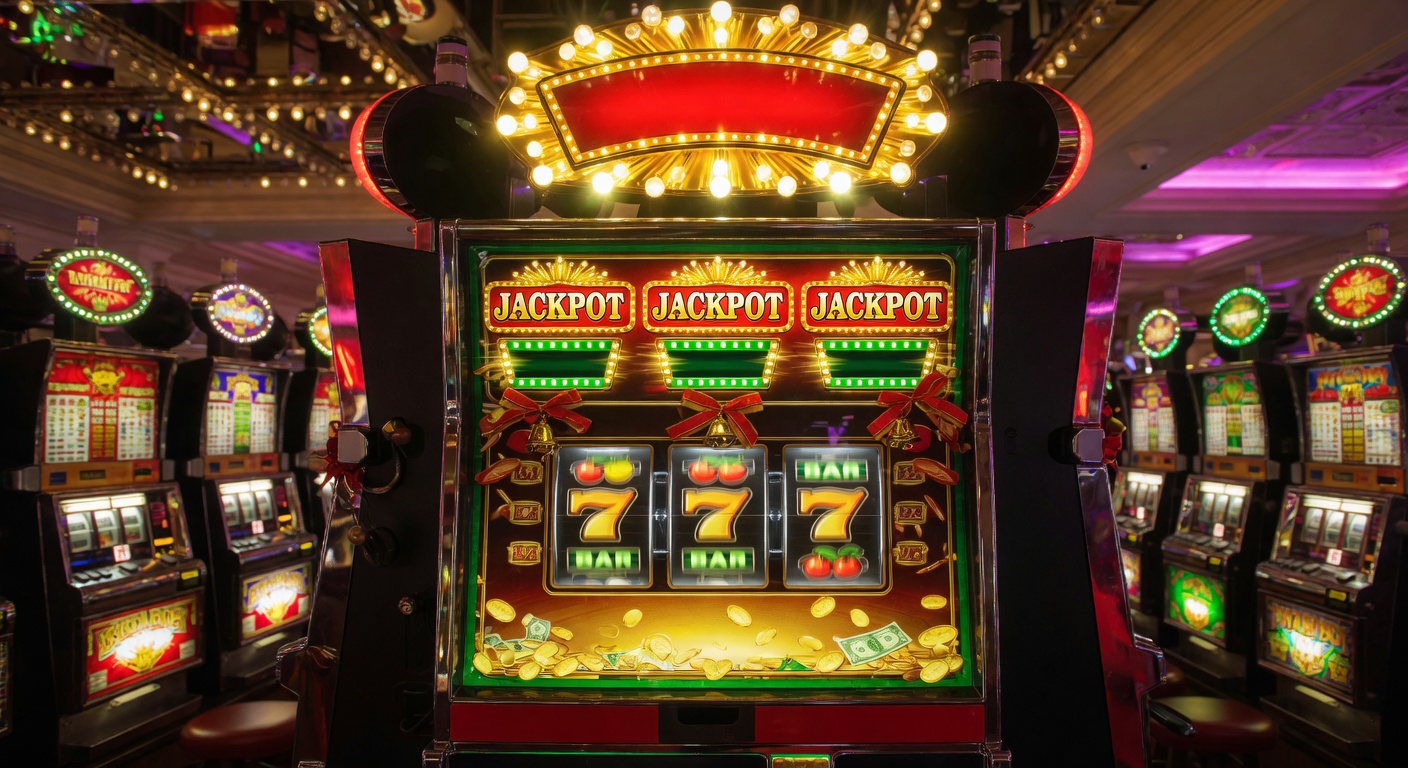
Overview of Slot Jackpots
Slot jackpots are among the most thrilling features in slot machines, drawing players with the promise of life-changing wins. These jackpots are the ultimate rewards that players aim for, often representing the highest possible payout in a slot game. The excitement and anticipation surrounding slot jackpots are a major part of their appeal, making them a key attraction in the world of casino gaming.
The concept behind winning jackpots in slot games is straightforward: players spin the reels in hopes of landing a specific combination of symbols or triggering a bonus feature that awards the jackpot prize. What makes slot jackpots especially captivating is their variety—different types offer unique experiences and chances of hitting the big win. Understanding the various jackpot types can enhance a player’s strategy and enjoyment when playing slot machines.
There are several main jackpot types, each with its own characteristics and payout potential. Progressive jackpots, for example, increase in value every time the game is played but the jackpot isn’t won, often reaching staggering amounts. Fixed jackpots, on the other hand, offer a set prize amount that doesn’t change regardless of how many spins occur. Mini jackpots provide smaller, more frequent wins, appealing to players who enjoy consistent payouts rather than chasing massive jackpots.
Players are naturally drawn to slot jackpots for the thrill of potentially winning big from just a single spin. The diversity in jackpot types means that different slot machines cater to varying preferences—some favor the allure of huge, life-altering progressive jackpots, while others appeal to those who prefer the steady excitement of fixed or mini jackpots. Ultimately, slot jackpots are a defining feature of slot machines, adding layers of excitement and opportunity to the gaming experience.
Progressive Jackpots
Progressive jackpots are a popular and exciting feature in slot games that offer players the chance to win increasingly large prizes. Unlike fixed jackpots, a progressive jackpot grows over time as more players make bets on the game. Each wager contributes a small percentage to the jackpot pool, causing it to accumulate and reach potentially life-changing amounts. This growing jackpot is what draws many gamblers to progressive slots, as the prize can sometimes reach millions of dollars.
The mechanics behind progressive jackpots usually involve linking multiple slot machines or games into a network, often referred to as network jackpots. This network can span a single casino or connect slots across many casinos, both physical and online. Because the jackpot is shared among all players in the network, the prize pool can accumulate more rapidly compared to standalone machines, leading to higher potential winnings.
When playing a slot game with a progressive jackpot, a portion of every spin’s bet is diverted to the jackpot prize. This means that even if players do not win on a particular spin, they still help the jackpot grow. The jackpot continues to increase until one lucky player hits the winning combination or triggers the jackpot feature, at which point the entire accumulated prize is awarded. After the jackpot is won, the prize resets to a predetermined base amount and begins growing again.
Many progressive jackpots require players to make a maximum bet to qualify for the growing jackpot. This is a typical mechanic built into these games to ensure fairness and maximize the prize pool. Some progressive slots also feature bonus rounds or special symbols that increase the chances of winning the jackpot. Overall, the allure of a progressive jackpot lies in its potential for enormous payouts fueled by continuous betting activity across a network, making it one of the most thrilling aspects of slot gaming.
How Progressive Jackpots Work
Progressive jackpots grow through a process known as jackpot accumulation, where a small percentage of each player’s bet contributes to the total jackpot amount. Every time a bet is placed on a slot machine with a progressive jackpot, a fraction of that wager is added to the jackpot pool, steadily increasing its value until someone wins. This mechanism ensures that the jackpot can reach impressive amounts, often much larger than fixed jackpots.
There are two primary types of progressive jackpots: standalone and networked. Standalone progressive jackpots accumulate within a single machine or casino, meaning the jackpot grows only from bets made on that specific slot. This can limit the jackpot size compared to networked progressive jackpots, where multiple slot machines across different casinos or locations are linked together. In a networked system, each bet made on any of the connected machines contributes to the same large jackpot total, leading to even higher potential winnings.
Understanding the difference between standalone and networked jackpots is important for players seeking the biggest prizes. Networked slots offer higher jackpots but may have tougher odds due to the broader player pool, while standalone slots may provide smaller jackpots but with better winning chances. Regardless of type, the continuous bet contribution mechanism is what drives the excitement and enormous jackpot sums associated with progressive slots.
Advantages and Disadvantages of Progressive Jackpots
Progressive jackpots are a popular type of slot jackpots that offer players the chance to win enormous payouts. One of the major progressive pros is the potential for life-changing prizes, as these jackpots accumulate over time, often reaching millions of dollars. This growing prize pool attracts many players and adds an extra layer of excitement to the game, making progressive slots a thrilling choice for jackpot hunters.
However, along with these appealing benefits, there are some progressive cons to consider. Progressive jackpots tend to have a lower hit frequency compared to fixed or mini jackpots, meaning that winning the big prize is much rarer. The odds of hitting a progressive jackpot can be significantly lower, which might lead to longer periods without any major wins. This can be discouraging for some players who prefer more frequent payouts, even if they are smaller.
Additionally, because a portion of each bet contributes to the jackpot, the base game payouts may be slightly lower than those in non-progressive slot jackpots. Players should weigh these factors when choosing a slot game, deciding whether the allure of huge progressive jackpots outweighs the potential downside of fewer and smaller regular wins.
In summary, progressive jackpots offer exciting opportunities for large winnings but come with the trade-off of infrequent payouts and potentially lower base game returns. Understanding these progressive pros and cons can help players make informed choices when playing slot jackpots.
Fixed and Mini Jackpots
Fixed jackpots and mini jackpots represent two common types of slot jackpot types that offer a different gaming experience compared to the popular progressive jackpots. Unlike progressive jackpots, which increase over time as more players bet on the slot, fixed and mini jackpots have predetermined payout amounts that do not change regardless of how much money is wagered or how many spins take place.
A fixed jackpot is a slot jackpot type where the prize amount remains constant. This means that players know exactly what the jackpot payout will be before they begin playing. Fixed jackpots tend to be smaller than the often multi-million-dollar progressive jackpots but offer the advantage of consistency and predictability. Because the jackpot amount does not grow progressively, the fixed jackpot is easier for casinos to manage and for players to plan around.
Mini jackpots, on the other hand, are typically smaller prize pools that are also fixed but are much lower in value compared to standard fixed jackpots. Mini jackpots are usually offered within individual slot games as secondary prizes or bonus features. They provide players with more frequent, smaller wins, making the gameplay exciting without the long wait associated with hitting a big progressive jackpot.
The key difference between fixed and mini jackpots versus progressive jackpots lies in their payout structure. Progressive jackpots accumulate a portion of each bet from all players playing a linked group of machines or games, causing the jackpot amount to increase until someone wins it. Fixed and mini jackpots, by contrast, maintain their set prize amounts regardless of player activity, giving a more static but reliable payout experience.
In summary, fixed jackpots offer a stable and known reward amount, while mini jackpots provide smaller but more frequent wins, both appealing to players who prefer predictability and regular payouts over the potentially life-changing but rare wins that progressive jackpots promise. Understanding these slot jackpot types helps players choose the gameplay style that best suits their preferences and risk tolerance.
Fixed Jackpots Explained
Fixed jackpots, also known as static jackpots, are a type of slot jackpot where the payout amount is predetermined and remains constant regardless of how many players participate or how much is wagered. Unlike progressive jackpots that increase over time, fixed jackpots offer a stable and guaranteed payout that you can expect every time you hit the winning combination.
One of the primary appeals of fixed jackpots is their predictability. Since the jackpot amount does not change, players can clearly see the potential reward before they start playing. This can make fixed jackpot slots an attractive option for those seeking consistent slot payouts without the uncertainty of fluctuating prize pools.
Fixed jackpots are typically built into the game’s payout structure, meaning the maximum prize a player can win is coded into the slot machine’s algorithm. This ensures fairness and transparency, as the payout does not depend on outside factors like the total bets placed by all players combined. For those who prefer a straightforward gaming experience with clear odds and rewards, fixed jackpots provide exactly that.
Overall, fixed jackpots offer a reliable and straightforward way to win sizable amounts on slot machines. While the potential rewards may not reach the astronomical levels of progressive jackpots, the static nature of fixed jackpots means players can enjoy predictable slot payouts with every spin.
Understanding Mini Jackpots
Mini jackpots are smaller prize amounts within the world of slot jackpots, offering players a chance to win a reward without needing to hit the larger, more elusive jackpots. These small jackpots are typically easier to win compared to their progressive or fixed counterparts, making them an appealing target for casual players who seek frequent, modest wins.
Often found in multi-tier jackpot systems, the mini jackpot serves an important role by providing an accessible prize level that complements medium and major jackpots. This tiered structure helps keep the game exciting for a wide range of players since everyone has a realistic opportunity to win something, regardless of their betting size or luck.
Because mini jackpots represent a small jackpot size, they tend to hit more often than the larger jackpots, contributing to sustained player engagement. While the prize amounts may not be life-changing, the wins can significantly boost a player’s balance, encouraging continued play and enjoyment of the slot game.
In summary, mini jackpots are essential to balancing slot jackpot size dynamics within a game, providing achievable goals and frequent payouts that enhance the overall gaming experience.

I’ve spent the last decade dissecting everything from classic slot volatility to the latest crash game mechanics, driven by a genuine fascination with how RNG and math drive entertainment. Whether I’m tracking tournament meta-changes or hunting for hidden features in new mini-games, my goal is to share honest insights that help players understand the games they love.