
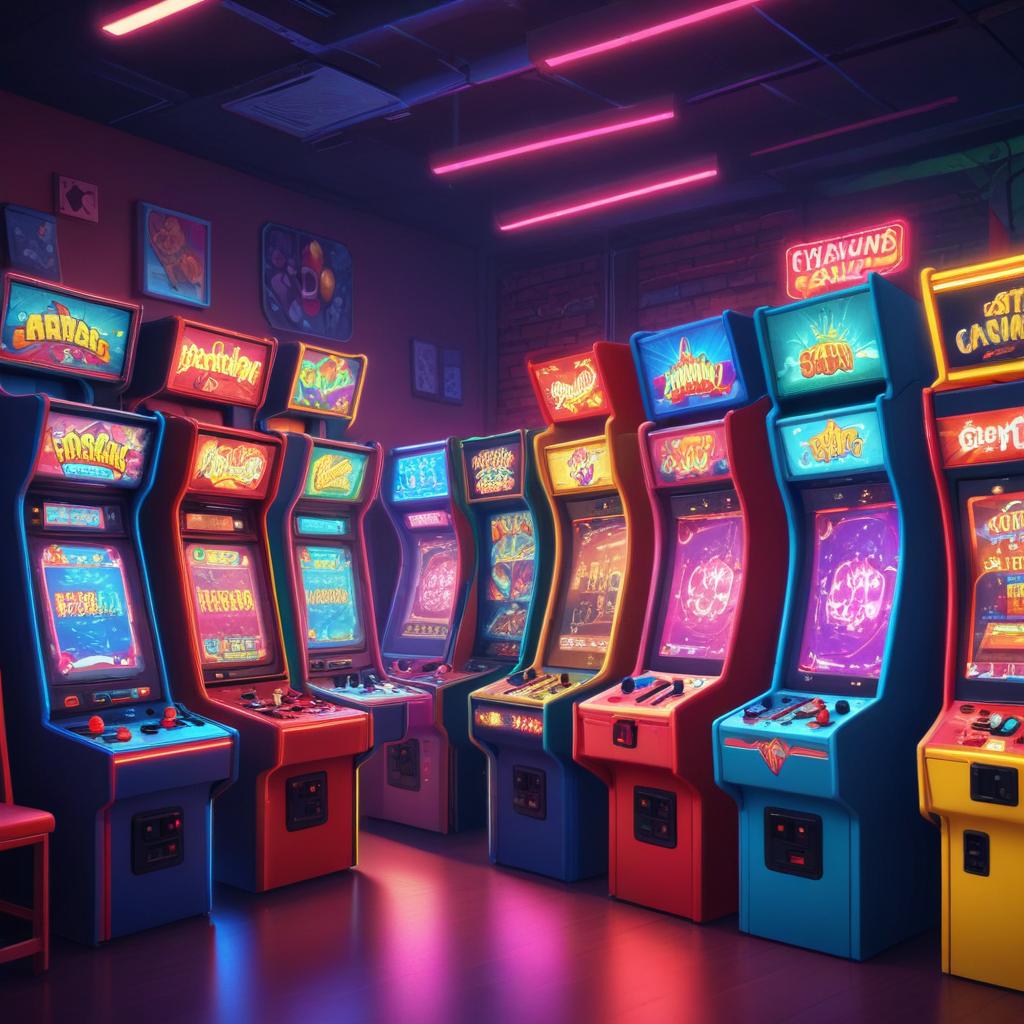
Introduction to Trending Mini-Games
Mini-games have become a significant part of the modern gaming landscape, especially among younger players. These compact, highly engaging games often serve as a refreshing diversion from more extensive and complex gaming experiences. The appeal of mini-games lies in their simplicity and the immediate gratification they provide, making them an ideal choice for quick entertainment. As gaming trends evolve, mini-games continue to capture the interest of younger audiences who are always on the lookout for new and exciting ways to play.
One of the primary reasons mini-games have surged in popularity is their accessibility. Unlike traditional games that may require long hours of commitment, mini-games are typically designed to be completed in short sessions. This fits perfectly with the fast-paced lifestyle of younger players who often juggle gaming alongside school, social activities, and other interests. The ability to jump into a trending mini-game, enjoy a few rounds, and then pause or switch to another activity is a key factor driving their appeal.
The rise of mobile gaming has also played a crucial role in the popularity of mini-games. With smartphones readily available and connected to the internet, younger players can access a vast range of mini-games at any time and place. This easy accessibility aligns perfectly with the current gaming trends, where players seek entertainment that fits into their daily routines without demanding prolonged focus or powerful hardware.
Additionally, trending mini-games often incorporate social and competitive elements that resonate strongly with younger players. Many games encourage sharing scores, competing with friends, or participating in online challenges, which enhances the communal aspect of gaming. This social interaction is a significant attraction for younger audiences, making mini-games a popular choice not only for solo play but also as a medium for connection and friendly rivalry.
In summary, the combination of simplicity, accessibility, and social engagement explains why mini-games have become a favored option within the gaming trends shaping the preferences of younger players today. These games offer a perfect blend of fun and convenience that appeals to the dynamic and ever-evolving interests of the new generation of gamers.
What Defines a Mini-Game?
A mini-game is characterized by its distinct gameplay length, simplicity, and overall accessibility, making it a unique segment within casual gaming. Unlike full-scale games, mini-games typically have a shorter gameplay duration, allowing players to engage in quick sessions without a significant time commitment. This makes them ideal for casual gaming environments where players seek rapid, enjoyable experiences that can be completed in minutes rather than hours.
Another fundamental aspect of mini-game definition lies in their simplicity. Mini-games often feature straightforward mechanics that are easy to understand and master, which contrasts with more complex games demanding extensive tutorials or skill development. This simplicity ensures that players of various ages and gaming backgrounds can enjoy the game immediately, enhancing their appeal and accessibility.
Accessibility is a core characteristic of mini-games, often designed to be played on multiple platforms, including mobile devices, tablets, and web browsers. Their user-friendly interfaces and minimal hardware requirements make them widely accessible to a broad audience. This accessibility, combined with short duration and simple controls, allows mini-games to thrive as a popular form of casual gaming, providing entertaining and bite-sized gameplay moments for players on the go.
Why Younger Players Prefer Mini-Games
Young gamers are increasingly drawn to mini-games due to their unique gaming preferences that prioritize quick, engaging experiences. Unlike traditional games that require long hours of commitment, mini-games offer quick sessions that fit easily into the busy schedules of younger audiences. This convenience allows players to enjoy gaming during short breaks, making it an ideal choice for those who prefer fast-paced entertainment without lengthy time investments.
Moreover, the social aspects of mini-games play a significant role in their popularity among young gamers. Many mini-games incorporate multiplayer features or community challenges that enable players to connect and compete with friends or other users online. This social interaction enhances the overall gaming experience, fostering a sense of community and friendly competition that aligns perfectly with the social tendencies of younger audiences.
The benefits of mini-games extend beyond just accessibility and social engagement. These games often feature simple mechanics and intuitive controls that appeal to younger players, making them easy to learn yet challenging enough to maintain interest. The diversity of mini-games available also caters to varying tastes and preferences, ensuring that there is something enjoyable for everyone within this demographic.
In summary, the quick sessions, social connectivity, and approachable gameplay mechanics make mini-games an attractive option for young gamers. These benefits align perfectly with their gaming preferences, ensuring that mini-games remain a trending choice in the evolving landscape of gaming entertainment.
Popular Types of Mini-Games Among Younger Players
In the realm of gaming, certain popular mini-games have captured the attention of younger players, becoming their favorites due to their engaging mechanics and quick, rewarding gameplay. These mini-games often fall into distinct game types that appeal specifically to this younger audience, leveraging simplicity, creativity, and social interaction to keep players coming back.
One of the most favored game types among younger players is the puzzle mini-game. These games challenge problem-solving skills with tasks like matching shapes, colors, or numbers, often within a time limit. Titles like «Candy Crush» and «Tetris» exemplify this genre, providing a perfect balance of challenge and accessibility that keeps younger gamers hooked. Puzzle games are popular mini-games because they can be played in short sessions, making them ideal for quick breaks or casual play.
Another popular genre is the platformer mini-game, where players navigate characters through obstacle-filled levels. Classic examples such as «Super Mario» or modern takes seen in mobile games offer fast-paced action combined with precise control, which is highly appealing to younger players. The visual appeal and the thrill of overcoming a series of challenges make platformers a go-to game type for this demographic.
Simulation and creative mini-games also rank high among younger audiences. Games that allow for customization, construction, or role-playing, like «Minecraft» or «Animal Crossing,» offer a sandbox experience that encourages creativity and exploration. These titles are among the most popular mini-games because they empower young players to build their worlds and stories, fostering both imagination and community interaction.
Fast-paced action mini-games with simple controls, like endless runners («Temple Run») and casual shooters, are adored by younger players for their adrenaline rush and straightforward objectives. These game types allow players to jump right in without complicated tutorials, making them ideal for players with shorter attention spans or those looking for immediate fun.
Social or multiplayer mini-games have also surged in popularity among the younger demographic. Games like «Among Us» and various party mini-games integrate social deduction and teamwork, which encourage interaction and collaboration. These game types are particularly favored for the community experience they offer, making gaming a shared and socially engaging activity.
In summary, popular mini-games attract younger players by catering to their preferences for quick, engaging, and often social gameplay. Puzzle, platformer, simulation, action, and social mini-game types stand out as younger audience favorites, each with unique qualities that make them staples within the gaming landscape.
Casual Puzzle and Strategy Mini-Games
Casual puzzle and strategy mini-games have gained significant popularity among younger players due to their engaging and accessible gameplay. These games typically combine simple mechanics with increasingly challenging levels that encourage critical thinking without overwhelming the player. Puzzle games often involve pattern recognition, problem-solving, and logic-based tasks that stimulate cognitive skills in a fun and interactive environment.
Strategy mini-games, on the other hand, emphasize planning and resource management, allowing players to test their tactical abilities in a short, engaging format. They often feature turn-based play or time-limited challenges that require quick decision-making while considering various outcomes. This balance of mental challenge and casual gaming makes them especially appealing to younger audiences who seek both entertainment and intellectual stimulation.
Typical features of these games include colorful graphics, intuitive controls, and rewarding progression systems such as unlocking new levels or earning in-game bonuses. Many casual puzzle and strategy mini-games also integrate social elements, allowing players to compete with friends or share achievements, further enhancing their appeal. Overall, these games blend fun and mental exercise, making them a top choice for young gamers looking to enjoy casual gaming with a purpose.
Multiplayer and Social Mini-Games
Multiplayer mini-games have become a powerful tool in engaging younger players by leveraging the dynamics of social gaming. These interactive games offer more than just solo entertainment; they provide opportunities for players to connect, compete, and cooperate with friends or new acquaintances online. This social interaction is a key factor that enhances the overall gaming experience, making it more immersive and enjoyable.
One significant advantage of multiplayer mini-games is their ability to foster a sense of community among players. By encouraging collaboration and friendly competition, these games promote social bonding and communication skills. Younger players, who are often drawn to social experiences, find these games appealing because they combine fun with meaningful interaction. This social aspect also helps retain player interest over time, as ongoing social connections encourage repeated play.
Moreover, interactive games designed for multiplayer engagement allow players to develop strategies and teamwork, adding depth to the gameplay. The shared experience of overcoming challenges or achieving goals together enhances the emotional impact of the game. As social gaming continues to evolve, multiplayer mini-games stand out by providing dynamic environments where younger audiences can engage actively, rather than passively, within gaming communities.
In summary, multiplayer mini-games play a vital role in captivating younger players through social interaction. By blending competitive and cooperative elements into interactive games, developers tap into the natural social tendencies of players, creating engaging, memorable experiences that keep them coming back for more.
Skill-Based and Reflex Mini-Games
Skill games and reflex games have become increasingly popular among young gamers who thrive on fast-paced and challenging gameplay. These mini-games test players’ quick thinking, hand-eye coordination, and strategic skills, making them highly engaging for a generation accustomed to instant gratification and rapid decision-making. Unlike games that rely heavily on chance or luck, skill-based mini-games reward practice and mastery, appealing to young players eager to improve their abilities and compete at higher levels.
Reflex games, in particular, captivate younger audiences due to their simplicity combined with the demand for sharp reactions. These games often present quick challenges that require immediate responses, enhancing cognitive speed and motor skills. This blend of entertainment and mental exercise fosters a sense of accomplishment and keeps young gamers coming back for more. The dynamic nature of these mini-games aligns perfectly with the short attention spans and active lifestyles of today’s youth.
Moreover, skill and reflex mini-games often feature vibrant graphics and energetic sound effects that appeal aesthetically to young gamers. The competitive aspect, whether through leaderboards or multiplayer options, further motivates players to refine their skills. In summary, these mini-games serve as a perfect outlet for quick-thinking younger players looking to test and enhance their reflexes and skills in an enjoyable and rewarding environment.

I’ve spent the last decade dissecting everything from classic slot volatility to the latest crash game mechanics, driven by a genuine fascination with how RNG and math drive entertainment. Whether I’m tracking tournament meta-changes or hunting for hidden features in new mini-games, my goal is to share honest insights that help players understand the games they love.