
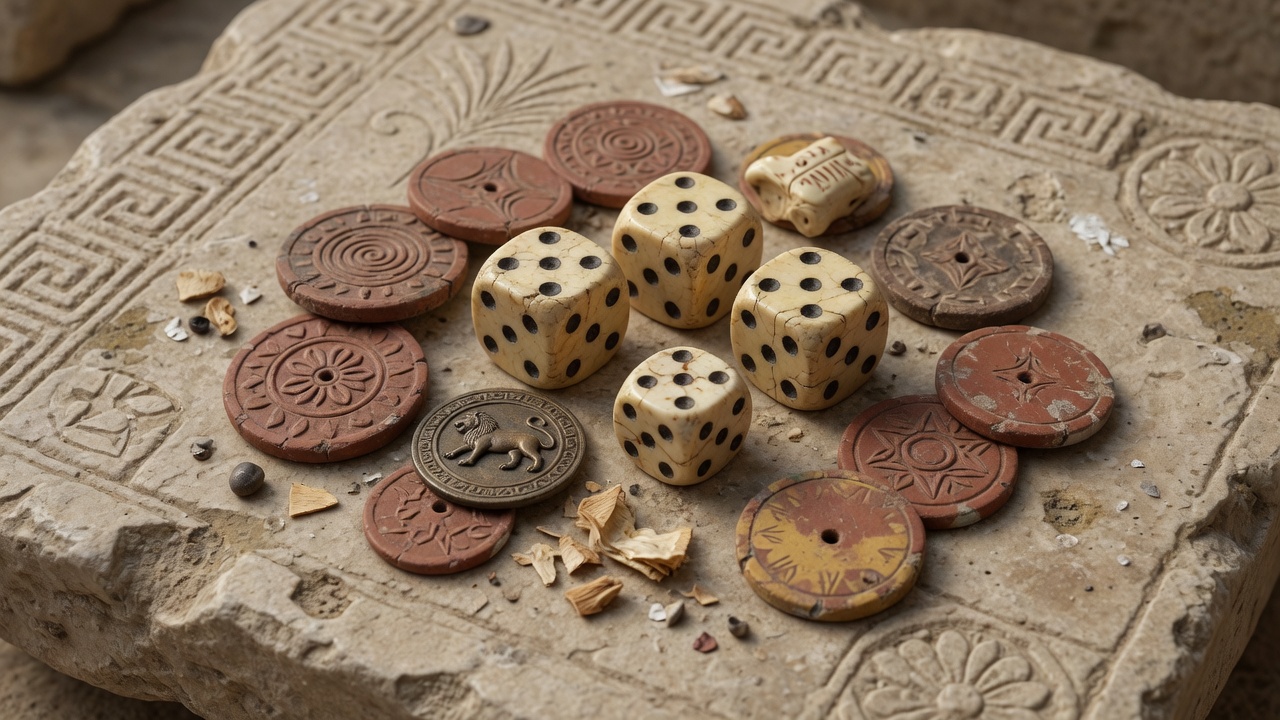
Origins of Casino Games
The history of casino games traces back to ancient civilizations, where early gambling activities laid the foundation for the modern entertainment industry we know today. These early games reveal much about casino history and demonstrate the human fascination with chance and risk that spans thousands of years.
One of the earliest forms of gambling was found in ancient Mesopotamia around 3000 BCE, where people used dice made from bones or stones. Dice games were a popular pastime and were often associated with religious rituals and divination. This early gambling activity highlights the complex cultural origins of casino games, showing how they were intertwined with societal beliefs and practices even in ancient times.
Ancient Egypt also played a significant role in the evolution of casino games. Egyptians are known to have engaged in betting games using knucklebones and other simple objects, which may be considered precursors to dice. These early games secured a lasting place not only as leisure activities but also as methods to predict fate, reflecting the deep human connection to chance and fortune.
In addition to dice, other forms of early gambling included board games such as Senet in Egypt and similar games in ancient Rome and Greece, where betting was common among citizens. These early games often combined strategy with chance, embodying the dual nature of many casino games today. These ancient games provide valuable insight into casino history, showing how societal values and entertainment merged to create engaging pastimes.
The progression from these early gambling methods to structured casino games underscores the enduring appeal of gaming throughout human history. As civilizations evolved, so did their games, culminating in the diverse array of casino games enjoyed worldwide today. Understanding the cultural origins of these ancient games enriches our appreciation for the depth and scope of casino history.
Ancient Gambling Practices
Gambling has deep roots that trace back to ancient civilizations, where various forms of betting and gaming were common leisure activities. In ancient Egypt, gambling was intertwined with religious and social customs. Dice games played a significant role, often crafted from bones and used not only for entertainment but also for divination. These early dice offered a glimpse into the betting history that laid the foundation for modern wagering games.
In ancient China, the culture of gambling was equally vibrant, with records showing early forms of lottery and dice games dating back thousands of years. Chinese gambling practices included betting on animal fights and various types of games that combined chance and strategy. These activities were not only popular among common folk but also had a presence in the royal courts, showcasing the widespread appeal of gambling across social strata.
Meanwhile, in the Roman Empire, gambling was an integral part of daily life and social gatherings. Dice games, known as «alea,» were among the favorite pastimes for Romans, who enjoyed betting on the outcomes of these games as well as on gladiatorial contests and chariot races. The Romans’ enthusiasm for these games contributed significantly to the betting history, influencing the development of more structured gambling games in European societies.
Overall, these ancient gambling traditions from Egypt, China, and Rome highlight the universal appeal of games of chance. They provide a fascinating insight into how dice games and betting history evolved from simple social pastimes to the complex and regulated casino games we know today.
Medieval and Renaissance Gaming
During the Middle Ages and Renaissance, casino games began to take on forms that would influence modern gambling. This era saw the rise of medieval games that were often played in taverns and early gaming houses, which served as social hubs for entertainment and wagering. The use of playing cards became increasingly popular during this time, with early cards evolving from rudimentary designs into more sophisticated decks used for various games.
Renaissance gambling flourished in Europe as the culture of gaming houses grew. These establishments offered a range of gaming activities, including card games that were the precursors to today’s poker and blackjack. The development of early cards introduced suits and face cards, elements that shaped the strategic aspects of gambling. Gaming houses provided a regulated environment where people could enjoy these new forms of entertainment safely.
Medieval games were typically simple in nature but laid the groundwork for complex gambling games. The renaissance period’s emphasis on art and culture also influenced the design and presentation of playing cards, turning them into collectible items. This blend of social interaction, gambling, and artistry ensured that the traditions of medieval and renaissance card games would endure, ultimately evolving into the casino games known today.
The Evolution of Popular Casino Games
The evolution of casino games is a fascinating journey that mirrors the changing tastes and preferences of players through history. Among the most popular and enduring games are poker, blackjack, and roulette, each with a rich background contributing to the dynamic world of casino games today.
Starting with poker, its history dates back to the early 19th century in the United States, where it emerged as a social card game played on riverboats along the Mississippi River. Over the years, poker evolved from simple rules to more complex forms such as Texas Hold’em and Omaha, which gained massive popularity in casinos worldwide. The game’s rise can also be attributed to televised poker tournaments and online platforms, which broadened accessibility and introduced strategic depth that captivated millions.
Blackjack, often referred to as twenty-one, has roots that reach back to 17th-century France, where a game known as “Vingt-et-Un” was first played. The game’s mechanism revolves around beating the dealer without exceeding a total of twenty-one. Its straightforward yet strategic gameplay made it a favorite in casinos across Europe and eventually America. The evolution of blackjack included the development of card counting techniques in the 20th century, which added a layer of skill and intrigue, further cementing its place in casino game evolution.
Roulette, with its distinctive spinning wheel, traces its origins to 18th-century France. The name roulette means “little wheel” in French, and the game was initially a blend of several existing games. The spread of roulette to the United States introduced variations such as American Roulette, which differs by having an additional double zero slot. Over time, roulette became a symbol of casino glamour and excitement, with its rapid gameplay and simple betting options attracting players of all levels. It remains one of the most iconic casino games to this day.
The evolution of these major casino games highlights how innovation and adaptation have kept them relevant. From poker’s rich strategic layers to blackjack’s blend of chance and skill, and roulette’s timeless appeal, the history of casino games is a testament to their enduring popularity and the continuous game evolution that keeps players engaged around the globe.
Poker: From Origins to Modern Play
Poker history traces back to the early 19th century in the United States, where it gradually evolved from various European card games. The game’s origins are often linked to a Persian game called As-Nas, but it was in America that poker truly developed its distinct identity. Early versions of the game featured only a few players and limited hand rankings, but as the game spread along the Mississippi River, it grew more complex and widespread.
The poker evolution is marked by the introduction of different variations such as Stud Poker, Draw Poker, and eventually Texas Hold’em, which became the most popular form worldwide. Each variation brought new strategies and excitement to the table, appealing to a broad range of players. These variations helped poker transition from a casual pastime into a serious competitive game, highlighted by the establishment of tournaments and professional play.
Today, poker is a staple game in casinos across the globe, embraced both in physical venues and online platforms. Its blend of skill, psychology, and chance makes it one of the most dynamic card games, continually attracting new generations of players. The rich poker history and its ongoing evolution have cemented its position as a cornerstone of the casino gaming world.
The Rise of Roulette and Blackjack
Roulette and blackjack have long stood as iconic pillars of casino classics, each with rich histories that chart their rise to prominence as key attractions in gambling establishments worldwide. The roulette history traces back to 18th-century France, where the game was developed as a blend of existing gambling pastimes and mathematical curiosity. Its elegant design, featuring a spinning wheel and a bouncing ball, captivated players with the suspense and chance it offered, cementing its place in casinos during the 19th century. Roulette quickly became an emblem of sophistication and thrill, drawing crowds eager to test their luck on the wheel.
Meanwhile, blackjack evolution tells the story of a game that originated from various European card games such as «vingt-et-un» (21), which gained popularity for its straightforward yet strategic gameplay. The game’s appeal grew because it combined luck with skill, allowing players to make decisions that influenced outcomes. Its rise in American casinos in the early 20th century was bolstered by the introduction of bonus payouts and its integration into mainstream gambling culture, soon becoming one of the favorite casino classics alongside roulette.
Together, roulette and blackjack epitomize the blend of chance and strategy that defines casino entertainment. Their invention and gradual rise underline how certain games captivate players over centuries, evolving into timeless staples that continue to attract millions, making them indispensable to the global casino experience.
Technological Advancements and Modern Casino Gaming
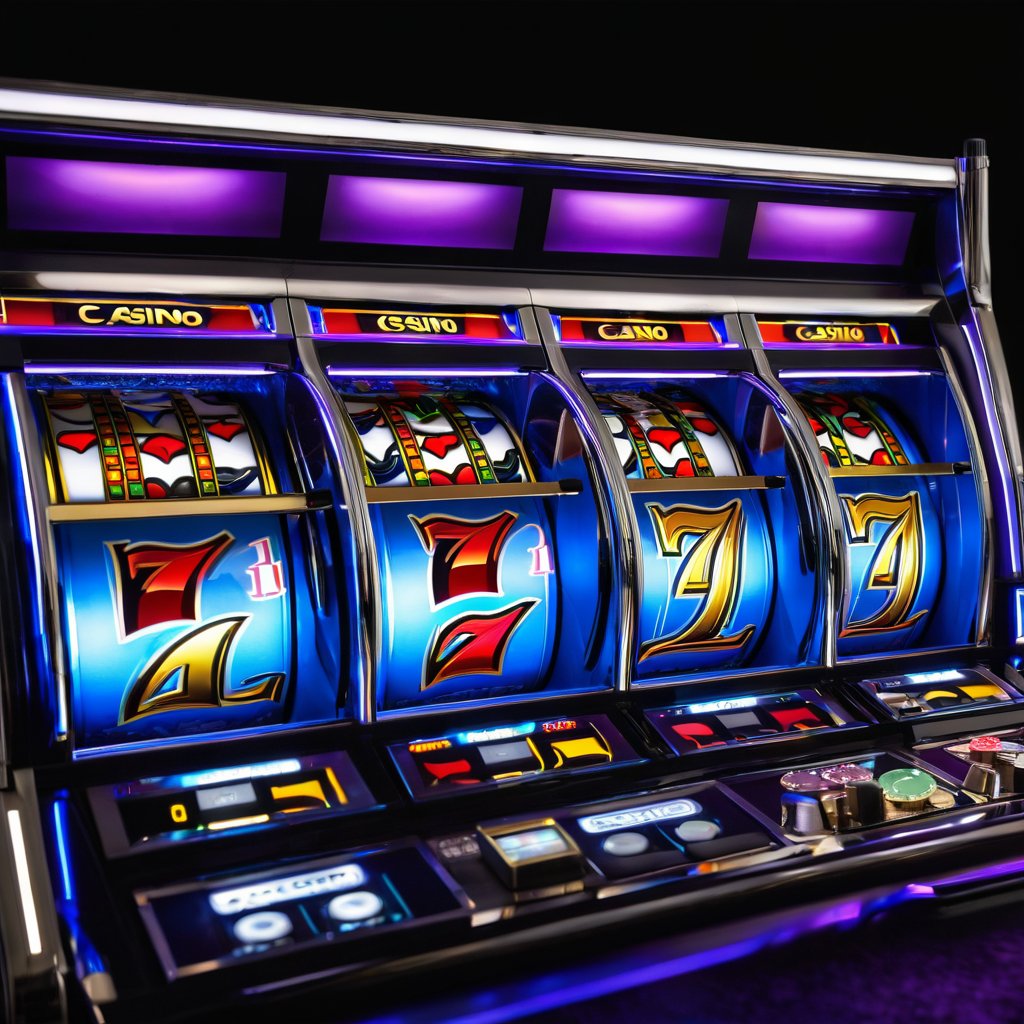
Technology has revolutionized the world of casino gaming, reshaping it from traditional brick-and-mortar establishments to dynamic digital platforms that reach millions worldwide. One of the most iconic transformations is the evolution of slot machines. What started as mechanical devices with spinning reels has now become sophisticated electronic slots, featuring advanced graphics, interactive themes, and complex bonus rounds powered by cutting-edge software. These technological innovations have significantly enhanced player engagement and broadened the appeal of slot machines across diverse audiences.
The rise of online casinos marked another pivotal moment in the history of casino gaming. By leveraging the internet, casinos can now offer entire gaming floors directly to players’ devices, eliminating geographic and physical barriers. This digital gambling revolution provides players with unparalleled convenience, allowing them to access a vast array of casino games anytime and anywhere. Online platforms incorporate live dealer games, virtual reality experiences, and seamless payment integrations, all of which are made possible through advances in technology in gaming.
Mobile gambling has further transformed the industry by enabling gaming on the go. Modern smartphones and tablets serve as powerful gaming terminals equipped to handle high-quality graphics and secure transactions. Mobile apps and optimized websites allow users to enjoy online casinos with ease, offering features like push notifications for promotions and tournaments. This mobility has not only expanded the player base but also encouraged the continuous development of responsive and user-friendly gaming interfaces.
Overall, the integration of technology into casino gaming has created a more immersive, accessible, and diverse gaming environment. Electronic slot machines, online platforms, and mobile gambling reflect how digital innovation continues to push the boundaries of what is possible within this industry. As technology progresses, we can expect even more exciting advancements, making the future of casino gaming brighter and more engaging than ever before.
The Introduction of Slot Machines
The invention of slot machines marked a revolutionary moment in the history of casino games. The earliest slot machines were purely mechanical devices, relying on physical reels and springs to determine the outcome of each spin. These mechanical slots quickly gained popularity due to their simplicity and the excitement they generated among players. The iconic lever on the side of the machine, often called the «one-armed bandit,» became a symbol synonymous with casino entertainment.
As technology advanced, slot machines evolved from their mechanical roots into more complex and engaging formats. The introduction of video slots in the 1970s transformed the gaming experience by replacing spinning reels with digital graphics displayed on screens. This shift allowed for greater creativity in game design, including more elaborate themes, bonus rounds, and interactive features. Video slots also enabled casinos to offer a wider variety of games with different paylines and payout structures, appealing to a broader audience.
Today, slot machines have further evolved into digital and online versions accessible through computers and mobile devices. These modern slots combine the nostalgic charm of classic mechanical slots with advanced animation, sound effects, and progressive jackpots. The continuous innovation in slot machine technology keeps players engaged and has firmly established them as one of the most popular casino games worldwide.
Online Casinos and Digital Transformation
The rise of online casinos has revolutionized the gambling industry, driven largely by advancements in digital technology. Online gambling has become increasingly popular as digital casinos offer unparalleled convenience and accessibility to players around the world. Unlike traditional brick-and-mortar establishments, internet gaming allows users to enjoy their favorite casino games anytime and anywhere, eliminating geographical barriers and opening the market to a global audience.
Digital technology has transformed the player experience by introducing high-quality graphics, immersive sound effects, and interactive features that closely mimic real-life casino environments. Additionally, the development of secure payment solutions and regulatory frameworks has built trust and confidence among players, encouraging widespread adoption of online gambling platforms. Innovative features such as live dealer games and mobile compatibility further enhance player engagement and convenience.
As internet gaming continues to evolve, online casinos are leveraging data analytics and artificial intelligence to personalize gaming experiences, tailor promotions, and improve customer support. These advancements not only enrich the entertainment value but also promote responsible gambling practices by monitoring player behavior. Overall, the digital transformation of casinos has made gambling more accessible, exciting, and secure than ever before.

I’ve spent the last decade dissecting everything from classic slot volatility to the latest crash game mechanics, driven by a genuine fascination with how RNG and math drive entertainment. Whether I’m tracking tournament meta-changes or hunting for hidden features in new mini-games, my goal is to share honest insights that help players understand the games they love.