
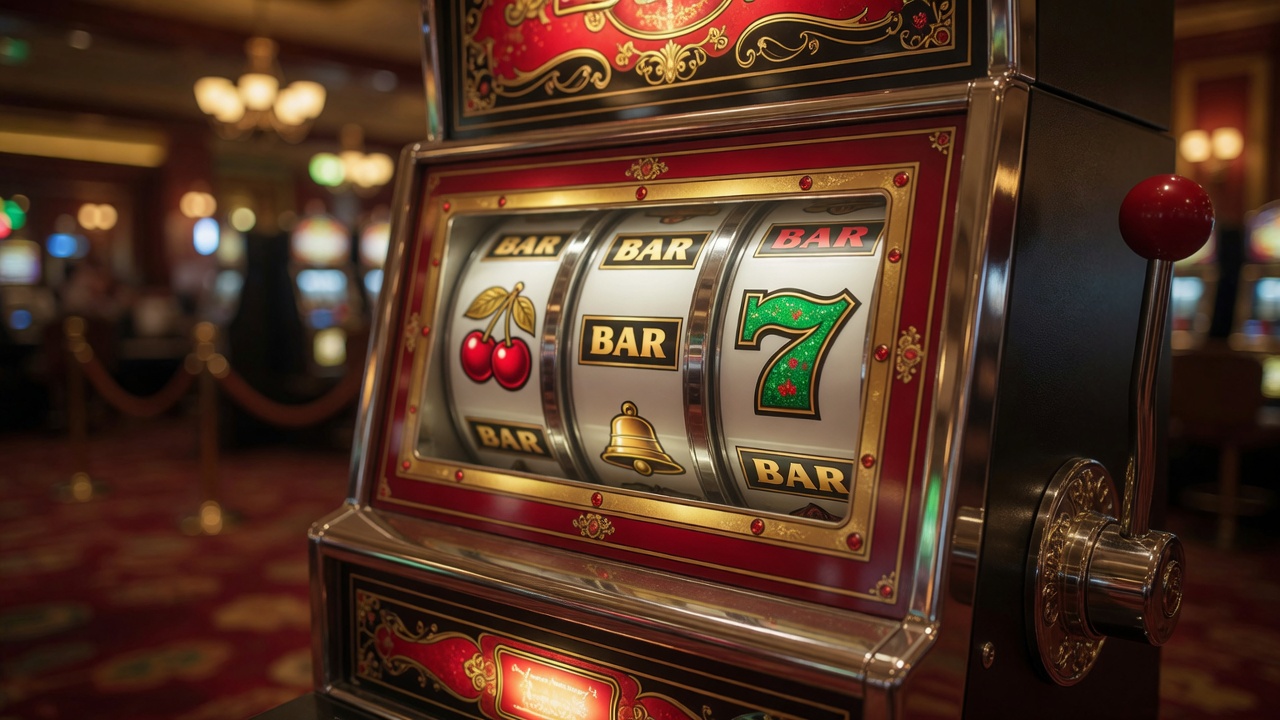
Common Myths About Slot Games
Slot games are among the most popular casino attractions, yet they are shrouded in many slot game myths and slot machine misconceptions. These misunderstandings can confuse or mislead players, affecting their gambling experience and expectations. It’s essential to separate fact from fiction to enjoy slot games responsibly and knowledgeably.
One of the most widespread casino myths is that slot machines are «due» to pay out after a losing streak. This misconception leads some players to believe that hitting a jackpot or big win is guaranteed soon after a series of losses, which is simply not true. Slot machines use random number generators (RNGs) that ensure every spin is independent and unpredictable. There is no memory or pattern in the machine’s behavior, making each spin a fresh event.
Another common gambling myth is that players can influence the outcome by using special techniques, like timing their spins or hitting buttons in a particular way. In reality, slot machines are designed to be fully automated and computerized, with no physical or timing aspect affecting the results. Trying to manipulate the machine has no impact whatsoever on the randomness of the game.
Many people also believe that newer or more expensive slot machines offer better chances of winning. This is a slot machine misconception rooted in the idea that casinos want to attract players with «hot» machines. However, the odds and payout percentages are determined by the game’s programming and licensing regulations, not by the machine’s price or age. It’s a good practice to check the return-to-player (RTP) rates instead of relying on visual cues or rumors.
Lastly, some gamblers think that playing maximum bets automatically increases their chances of winning jackpots. While betting more coins may unlock higher jackpot levels or bonus features, it does not improve the machine’s odds of winning. Understanding the rules and paytable of each slot game helps players make informed decisions rather than relying on this mistaken notion.
By debunking these slot game myths and slot machine misconceptions, players can avoid falling victim to false expectations and approach gambling with a clearer, more realistic mindset. Recognizing that luck and chance govern slot games assists in promoting responsible play and better overall enjoyment at the casino.
Myth: Slot Machines Can Be ‘Due’ to Pay Out
One of the most common misconceptions among slot players is the belief in the slot machine payout myth — that machines have streaks and can be «due» to pay out after a series of losses. Many players assume that if a machine has not paid out for a while, it is bound to hit a win soon, but this idea simply doesn’t hold up under scrutiny.
The truth lies in the mechanics of modern slot machines, which rely on advanced random number generators (RNGs) to determine outcomes. Every spin is independent and randomly generated, meaning that the results are not influenced by previous spins or any history of payouts. The machine has no memory of past results, and thus there are no such things as streaks or patterns that predict when a payout will occur.
Understanding slot randomness is key to dispelling the myth of due payouts. No matter how long a slot machine has gone without paying out, each new spin has the same probability of winning as any other spin. The outcome is purely a matter of chance, governed by the RNG’s complex algorithms, which ensure fair and unbiased results with every spin.
In summary, believing in the idea that slot machines are «due» to pay can lead to misguided betting strategies and false expectations. Respecting the nature of randomness and the technology behind slot machines will help players enjoy the game without falling for this persistent myth.
Myth: You Can Influence Slot Outcomes by Timing
One of the most common misconceptions among players is the slot timing myth—the belief that the exact moment you press the spin button can somehow influence the outcome of a slot machine. Many gamblers swear that waiting for a particular beat or spinning at a certain time will result in bigger wins. However, this idea is misleading and not supported by how modern slot machines operate.
The key reason this myth persists is a misunderstanding of how random slots work. Today’s slot games use sophisticated Random Number Generators (RNGs) to determine every spin’s result. These RNGs generate outcomes independently and continuously, not influenced by previous spins or timing. Whether you spin immediately or after a long wait, the random slots’ sequence remains unaffected by your actions.
It’s important to recognize that since slot outcomes are entirely random and uncontrollable, trying to manipulate the timing will not increase your chances of winning. The slot timing myth might be tempting to believe, especially when a big win coincidentally happens after waiting, but it’s purely a matter of chance. Understanding this helps players set realistic expectations and focus on enjoying the game rather than trying to influence it.
Myth: Casinos Manipulate Machines to Target High Rollers
The casino manipulation myth that slot machines are adjusted to target high rollers while disciplining casual players is a widespread misconception. In reality, slot fairness is ensured through strict regulation and sophisticated technology that governs all payouts impartially. Every machine is programmed with a Random Number Generator (RNG) that guarantees every spin is independent and random, irrespective of the player’s betting size.
Casinos operate under stringent legal frameworks and audits that demand transparency and fairness. These enforce that no slot machine can be rigged to favor any group, including high rollers. The economics behind casinos focus more on volume and consistency rather than selectively awarding jackpots to specific players. Targeting high rollers with manipulated machines would jeopardize the casino’s license and reputation.
Furthermore, every slot machine includes a predetermined payout percentage known as the Return to Player (RTP), which is consistent across all users. This ensures an equitable chance for all players, casual or high stakes. Dispelling the casino manipulation myth helps players focus on enjoying the game responsibly rather than worrying about unfair targeting. Understanding these facts about slot fairness promotes a more positive gambling experience for everyone.
Misconceptions About Gambling and Odds

Gambling misconceptions often stem from misunderstandings about how gambling odds and probabilities work. Many players believe that they can predict or influence outcomes, especially in games like slots, but the reality is that each spin is entirely independent and governed by random number generators. This means that previous outcomes have no bearing on future results, debunking the myth of «due wins» or «hot streaks.»
Another common misconception is about the so-called “slot odds.” Some gamblers assume slots are rigged or that casinos can manipulate the odds on a whim. While casinos do design games to favor the house, the odds and payout percentages—known as Return to Player (RTP)—are fixed and regulated by gaming authorities. Slot odds are mathematically calculated to ensure a long-term advantage for the casino, but they guarantee fair play over many spins, not cheating or unfair manipulation.
Understanding casino probability is crucial for dispelling false beliefs. All casino games, including slots, are designed with odds that favor the house, ensuring profitability for the casino over time. This doesn’t mean players cannot win, but it highlights that gambling is inherently risky, and players should view it primarily as entertainment rather than a reliable way to earn money.
Some players also misunderstand the concept of “gambler’s fallacy,” where they believe a game is “due” for a win after a series of losses. In reality, the probability of winning or losing on any given spin or bet remains constant regardless of previous outcomes. Casinos rely on these statistical principles to set gambling odds that keep the house edge intact over the long term.
Ultimately, clarifying these gambling misconceptions helps players approach games with realistic expectations. Knowing how gambling odds work and acknowledging the house’s advantage allows for more responsible play and better decision-making. While the thrill of winning is exciting, understanding the math behind the games ensures that players are not swayed by myths and misinformation about casinos and slot odds.
Misconception: The House Always Cheats Players
The idea that the house always cheats players is a common myth in gambling circles. In reality, casinos operate based on the concept of the house edge, which is a built-in statistical advantage ensuring the casino’s long-term profitability. This edge is not about cheating but about probabilities favoring the house over time.
Reputable casinos prioritize casino fairness and are subject to strict regulations and licensing requirements. This means they use independently tested and regulated random number generators (RNGs) for their slot games and other gambling products. RNGs ensure results are random and unpredictable, eliminating any form of manipulation or cheating.
| Concept | Description |
|---|---|
| House Edge | The percentage advantage the casino holds over players, ensuring profit over time without cheating. |
| Casino Fairness | Strict regulations and regular audits by licensing authorities ensure games are fair and transparent. |
| Cheating Myth | The false belief that casinos rig games. Actual fairness is ensured by the use of certified RNGs. |
In summary, while the house has a built-in edge, it does not cheat players. Trustworthy casinos maintain fairness through regulated RNG software, making the cheating myth unfounded and emphasizing the importance of playing at licensed establishments.
Misconception: Gambling Strategies Can Beat Slots
When it comes to slot betting myths, one of the most persistent misconceptions is that specific gambling strategies can beat slots consistently. Many players believe that by following particular systems or patterns, they can outsmart the random number generators (RNG) that power modern slot machines. However, this is far from reality. Slots are designed to be games of chance, where each spin result is independent and random, making it impossible for any gambling strategy to predict or influence outcomes over time.
The core reason no betting strategy can beat slots is the built-in casino advantage. Casinos set the payout percentages of slot machines in their favor, ensuring that over thousands or millions of spins, the house always retains a statistical edge. While short-term luck may occasionally lead to wins, the random nature of slots prevents any method from consistently overcoming the odds.
Many slot betting myths arise from misunderstanding how RNGs work. Since each spin is independent, previous results do not affect future spins. Therefore, strategies like «chasing losses,» «hot» or «cold» streaks, or adjusting bets based on outcomes do not increase the chances of winning. The best approach is to play slots for entertainment, set a budget, and enjoy the thrill without expecting guaranteed success from any gambling strategies.
Misconception: Bigger Bets Increase Winning Chances
One of the most common slot bet size myths is the belief that placing bigger bets will increase your winning chances. Many players assume that by betting more money per spin, they can somehow tilt the odds in their favor and land bigger wins. However, this is a misconception that needs to be addressed clearly.
Slots are designed with fixed odds programmed into their Random Number Generator (RNG) software. This RNG ensures that each spin is independent and random, meaning the outcome doesn’t depend on how much you wager. Therefore, whether you place a small or large bet, your odds of hitting a winning combination remain unchanged.
Increasing your bet size might result in higher payouts if you do win, as paytables often multiply wins by the amount wagered. However, this doesn’t translate to better winning chances—it simply means the potential reward is greater when you risk more. The key point is that a larger bet doesn’t influence the slot bet size’s impact on winning chances.
Understanding this bet size myth is crucial for responsible gambling. Players should remember to wager only what they can afford and focus on enjoying the game rather than chasing unrealistic expectations of increased winnings through bigger bets. The randomness of slots means every spin is a fresh opportunity, regardless of your bet size.
Understanding Slot Game Mechanics to Avoid Misconceptions

Slot machines are among the most popular casino games worldwide, yet they are often surrounded by myths and misconceptions. To avoid falling for false beliefs, it’s essential to understand the core mechanics behind these games. Central to slot mechanics is the Random Number Generator (RNG) technology, a sophisticated system that ensures every spin’s outcome is entirely random and independent of previous results. This means that there is no way to predict or influence the outcome of any given spin, debunking myths about «due» payouts or timing tricks.
The RNG functions by generating thousands of random numbers per second, each corresponding to different symbol combinations on the slot reels. When you press the spin button, the current number selected determines where the reels will stop. Because this process is entirely automated and constantly changing, slot machines rely on pure chance, making each spin unique and fair.
Another vital aspect to understand is the slot payout system. Casinos do not set these payouts arbitrarily; instead, slot machines are programmed with a predetermined Return to Player (RTP) percentage, which indicates the average amount of all wagered money that will be returned to players over time. For example, a slot with an RTP of 96% means that, on average, the player can expect to get back $96 for every $100 wagered. Importantly, this is a long-term statistical expectation rather than a guarantee per session, clarifying common misconceptions about “hot” or “cold” machines.
Finally, it is crucial to highlight that slot machines operate under strict casino regulations and licensing authorities. Regulatory bodies enforce rules to ensure slot machines are tested and certified for fairness and transparency, including RNG integrity and payout percentages. These regulations protect players by preventing manipulation and guaranteeing a safe gaming environment. Understanding these fundamental aspects of slot game mechanics helps debunk popular gambling misconceptions and allows players to enjoy slot games with a more informed perspective.
How Random Number Generators Work in Slots
Random number generators, or RNGs, are the core technology behind slot machines that guarantee fair play. An RNG is a computer algorithm designed to produce a continuous stream of numbers, each completely independent and unpredictable. This stream determines the outcome of every spin in slot games, making RNG slots truly random and unbiased.
The function of an RNG in slots is to ensure that each spin is unique and not influenced by previous spins or any external factors. This is critical for maintaining slot fairness, as it prevents players or operators from predicting or manipulating the results. Because of the complex mathematical formulas behind RNGs, the chances of winning or losing remain consistent and transparent over time.
Unlike mechanical slots of the past, where outcomes could sometimes be influenced by physical factors, RNG slots rely solely on these random number generators to deliver unbiased results. This technology eliminates any patterns or predictability, making it impossible to cheat or predict spins. Casinos and gaming regulators regularly audit RNG software to uphold fair gaming standards and protect players.
In summary, RNGs are essential for the integrity of slot games. They create a level playing field by providing genuinely random outcomes on every spin, ensuring that slot fairness is upheld and that the excitement of chance remains intact for every player.
The Role of Return to Player (RTP) and Volatility
Understanding RTP slots and slot volatility is essential for anyone looking to get the most out of their gameplay experience. RTP, or Return to Player, is a percentage that indicates how much of the money wagered on a slot machine is expected to be paid back to players over time. For example, a payout percentage of 96% means that on average, players will receive $96 back for every $100 wagered. It’s important to remember that this is a theoretical average calculated over millions of spins, not a guaranteed return in any single session.
Slot volatility, on the other hand, tells you how often and how much you can expect to win. High volatility slots pay out less frequently but often offer larger jackpots, while low volatility slots provide smaller, more frequent wins. This metric helps shape your playing strategy depending on whether you prefer steady gameplay with modest wins or are seeking big payouts that come with higher risk.
Both RTP and slot volatility play critical roles in understanding slot behavior. While RTP gives a long-term expectation of winnings, volatility affects your short-term experience and risk level. Knowing these metrics lets players make informed choices about which games to play based on their budget and playing style, ultimately enhancing their enjoyment and managing expectations.
Regulation and Fairness Standards in Slot Gaming
Slot regulation is vital to ensure that slot games operate within a framework of fairness and security. Regulatory bodies impose strict rules on casinos to guarantee that games are not only entertaining but also impartial and transparent. These regulations require casino operators to acquire proper casino licensing, which proves they meet industry standards and legal obligations to protect players.
Fair gaming is ensured through independent testing and certification of slot machines. Third-party organizations, such as eCOGRA and iTech Labs, rigorously analyze the Random Number Generator (RNG) software used in slot games to confirm that the outcomes are random and unbiased. This prevents any manipulation or game rigging, thereby offering a genuinely fair experience to all players.
Moreover, licensing authorities continuously monitor the operators’ compliance with these standards, conducting audits and imposing penalties when necessary. This ongoing supervision helps maintain trust in the casino industry and assures players that their interests are safeguarded. In conclusion, slot regulation, fair gaming policies, and casino licensing collectively create a robust ecosystem that supports secure, transparent, and enjoyable slot gaming environments.

I’ve spent the last decade dissecting everything from classic slot volatility to the latest crash game mechanics, driven by a genuine fascination with how RNG and math drive entertainment. Whether I’m tracking tournament meta-changes or hunting for hidden features in new mini-games, my goal is to share honest insights that help players understand the games they love.