
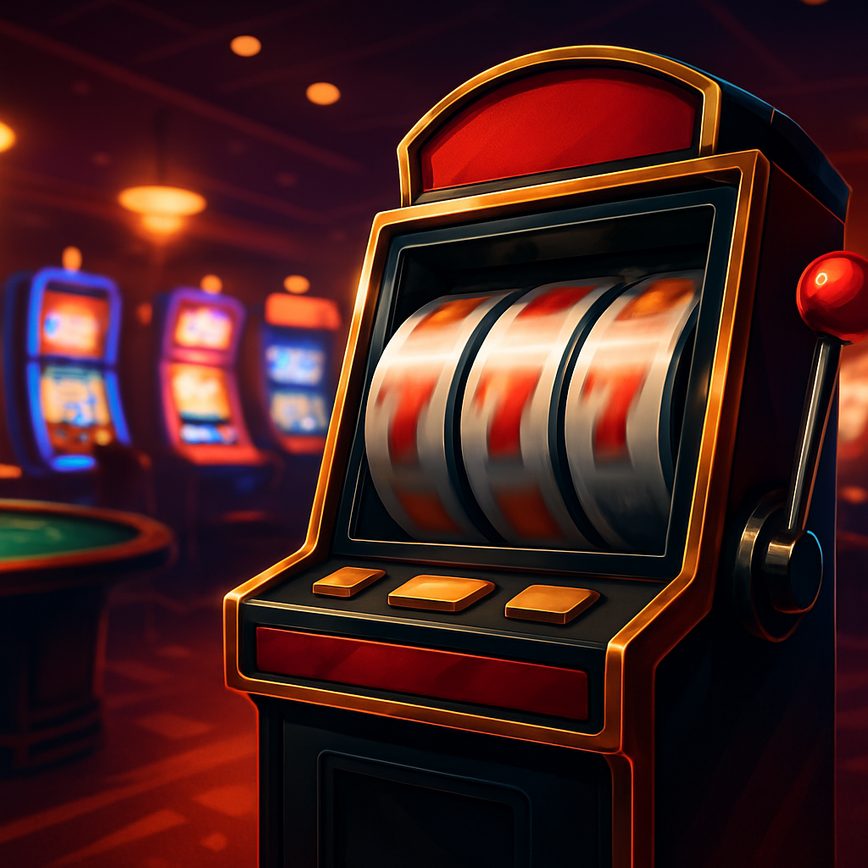
Introduction to Slot Graphics and Animation
In the dynamic world of online gaming, slot graphics and animation play a pivotal role in capturing and maintaining player interest. Modern slot design goes far beyond simple symbols and static reels; it merges intricate visuals with fluid animations to create an immersive experience that appeals to a broad audience. These game visuals are carefully crafted to not only entertain but also to enhance the storytelling and thematic elements of the slot, making each spin engaging and exciting.
Animation in games, especially in slot machines, is essential because it brings the game to life. Smooth, high-quality animations can communicate wins, trigger special features, and guide the player through the gameplay seamlessly. This dynamic visual feedback is crucial for sustaining player engagement and increasing the overall satisfaction derived from the gameplay. As a result, developers invest heavily in animation techniques to ensure that every aspect of the slot is vibrant and lively.
Slot graphics today incorporate advanced technology, including 3D modeling, digital art, and motion design, to create visually stunning interfaces. These graphics are not only aesthetically pleasing but also designed to work across various devices—from desktop computers to mobile phones—ensuring accessibility without compromising quality. The modern slot design ethos emphasizes the balance between visual appeal and performance, guaranteeing that players have a smooth and captivating gaming experience.
Understanding the importance of slot graphics and animation in modern slot games sets the foundation for exploring how these elements influence player behavior and game success. This article will delve into various aspects of slot visuals, from design principles to the latest animation trends, illustrating why contemporary slot machines are both a technical marvel and a form of digital entertainment art.
Technologies Behind Slot Graphics and Animation
Modern slot games rely on advanced game development technology to create visually stunning and immersive experiences. At the core of slot animation tech are powerful graphics software tools that enable developers to design intricate symbols, backgrounds, and animated effects with high precision. These software solutions provide artists and designers the flexibility to experiment with various styles and themes, bringing slot games to life with vibrant imagery and smooth transitions.
One of the primary technologies used in slot game graphics is vector-based design software such as Adobe Illustrator, which allows for scalable and detailed artwork creation. For animation, tools like Adobe After Effects and Spine are widely used to produce dynamic sequences that can be easily integrated into games. These programs offer features like keyframe animation, rigging, and particle effects that enhance the overall visual appeal and player engagement.
Rendering techniques play a crucial role in how slot graphics are displayed in real-time gameplay. Modern slot games often utilize WebGL and HTML5 technologies, which support hardware-accelerated rendering within browsers and across devices. This ensures smooth performance and crisp visuals without the need for additional plugins, making the games accessible and appealing on both desktop and mobile platforms.
In addition, game engines like Unity and Unreal Engine have become increasingly popular for slot development due to their robust rendering capabilities and extensive animation toolsets. These engines allow developers to incorporate complex effects, such as 3D animations and advanced lighting, elevating the slot experience beyond traditional 2D visuals. Through the use of shaders, textures, and real-time physics simulations, the slot animation tech embedded within these platforms delivers a captivating and immersive environment for players.
Overall, the combination of cutting-edge graphics software, sophisticated rendering techniques, and innovative game development technology forms the backbone of modern slot graphics and animation. This blend of tools enables developers to push creative boundaries and craft engaging, visually impressive slot games that resonate with players worldwide.
2D vs 3D Graphics in Slots
The use of 2D graphics and 3D graphics in slot visuals plays a crucial role in shaping player experience and game design innovation. 2D graphics have long been the foundation of slot games, delivering classic charm and simplicity with flat, hand-drawn, or pixel art styles. These visuals are less resource-intensive, allowing for quicker loading times and smooth gameplay on a variety of devices. Their nostalgic appeal suits traditional slot themes and offers clear, straightforward design that enhances accessibility for all players.
Conversely, 3D graphics bring a new level of depth and immersion to slot visuals, leveraging dynamic animations, lighting effects, and realistic textures to create engaging game worlds. The trend toward 3D designs is growing as technology advances, enabling developers to craft interactive and cinematic slots that attract players seeking cutting-edge visuals and storytelling. 3D slots often feature complex characters and environments that make the gaming experience feel more like an adventure than a classic spinning reel.
Popular styles in 2D graphics lean toward vibrant, cartoon-like aesthetics, retro themes, and minimalistic layouts, making them timeless choices for casual players. In contrast, 3D graphics tend to adopt fantasy, sci-fi, and blockbuster themes, where the emphasis is on realism and animation fluidity. Both 2D and 3D approaches bring unique benefits to slot visuals and game design, with many modern titles blending the two to optimize performance and visual appeal.
Animation Techniques Used in Modern Slots
Modern slot games leverage a variety of animation techniques to create engaging and visually appealing gameplay. One fundamental method is frame-by-frame animation, where each movement or effect is drawn individually and displayed in rapid succession. This traditional technique provides smooth and detailed slot game animation, allowing designers to emphasize character actions, symbol transformations, and win celebrations with precision.
Tweening is another popular animation technique used extensively in slots. This method involves creating keyframes at the start and end of an animation sequence, and the software automatically generates intermediate frames. Tweening is especially effective for motion design in slot games, producing fluid transitions such as spinning reels, sliding symbols, and dynamic payline highlights. It enhances the game’s fluidity without requiring intensive manual effort on each frame.
Additionally, particle effects add an extra layer of excitement to slot games by simulating small visual elements like sparks, glitter, or smoke. These effects are triggered during special events such as jackpots, free spins, or bonus rounds, enriching the player experience with vibrant game effects that capture attention and heighten anticipation. The combination of frame-by-frame animation, tweening, and particle effects ensures modern slots are visually captivating and immersive.
Impact of Graphics and Animation on Player Experience
Advanced graphics and sophisticated animations play a crucial role in enhancing player experience in modern slot games. The visual appeal of a game is often the first aspect that attracts players, creating an immersive environment that captures attention and stimulates excitement. When slot games deploy high-quality, fluid animations, they provide a seamless and engaging narrative that keeps players invested in the gameplay.
Slot animation impact extends beyond mere aesthetics; it significantly influences game engagement by making each spin dynamic and entertaining. Movements such as spinning reels, interactive bonus rounds, and celebratory effects for wins contribute to a lively experience that players find rewarding and enjoyable. These visual cues not only excite players but also help in maintaining their interest over prolonged sessions, reducing the likelihood of boredom or disengagement.
Moreover, the integration of advanced graphics creates a multi-sensory experience by combining visual elements with sound effects and music, further enhancing the emotional connection between the player and the game. This holistic approach to game design boosts player experience by making gameplay feel more authentic and thrilling. Such immersive environments increase the chances of players returning, fostering loyalty and repeated engagement.
The popularity of slot games is increasingly driven by the quality of their graphical content. Players today expect vibrant, detailed visual themes that align with engaging storylines. Whether these are themed slots with characters and intricate backgrounds or minimalist designs with subtle animations, the graphics set the tone and mood of the game. Developers leveraging leading-edge animation techniques gain a competitive edge by differentiating their slots in a saturated market.
In summary, the impact of graphics and animation on player experience cannot be overstated. They play a pivotal role in attracting and retaining players by enhancing the overall game engagement and boosting visual appeal. As a result, well-executed slot animations drive the popularity of modern slot games, making them more enjoyable and memorable for players worldwide.
Emotional Engagement Through Visuals
Graphics and animations play a crucial role in fostering emotional engagement in slot games, significantly enhancing the player’s overall experience. By integrating vivid slot visuals with dynamic animations, game developers create an immersive environment that captures the player’s attention and imagination. This visual stimulation not only makes the gameplay more appealing but also helps establish a deeper emotional connection between the player and the game.
The use of expressive visual elements, such as character animations, thematic backgrounds, and interactive symbols, evokes emotions ranging from excitement to anticipation. These emotional triggers encourage players to invest more time and energy, thereby improving player retention. When players feel emotionally connected to the game, they are more likely to return and remain engaged over longer periods.
Moreover, the seamless blend of graphics and animations creates a sense of immersion that draws players into the game world. This immersion transforms slot games from mere chance-based machines into captivating experiences where visuals play a storytelling role. By enhancing emotional engagement through sophisticated slot visuals, developers successfully increase game immersion, making sessions feel rewarding and memorable for players.
Trends in Slot Visual Design
The landscape of modern slot graphics is rapidly evolving, driven by significant slot design trends that emphasize visual innovation. Today’s slot games are more than just spinning reels; they are immersive experiences crafted with cutting-edge graphics and animations that captivate players. Game aesthetics have shifted towards richly detailed environments, 3D elements, and fluid motion effects that bring stories and characters to life, setting new standards in player engagement.
One prominent trend in slot design is the use of advanced animation techniques that seamlessly integrate with the gameplay. Dynamic animations react to player wins, bonus rounds, and special features, making the visuals an integral part of the gaming excitement. This approach to visual innovation enhances the overall appeal and distinguishes modern slots from their traditional counterparts.
Another key trend is the incorporation of thematic depth, where game aesthetics are tailored to diverse themes ranging from mythology and fantasy to futuristic sci-fi worlds. Such thematic consistency in visual design makes the gaming experience more immersive and emotionally engaging. Additionally, developers are leveraging vibrant color palettes and high-definition graphics to ensure slots are visually striking on all devices, including mobile.
Overall, these trends in slot design highlight a shift toward more interactive and visually rich games. By continuously pushing the boundaries of modern slot graphics, developers are shaping a future where visual artistry and gameplay innovation go hand in hand, providing players with unforgettable gaming adventures.

I’ve spent the last decade dissecting everything from classic slot volatility to the latest crash game mechanics, driven by a genuine fascination with how RNG and math drive entertainment. Whether I’m tracking tournament meta-changes or hunting for hidden features in new mini-games, my goal is to share honest insights that help players understand the games they love.