
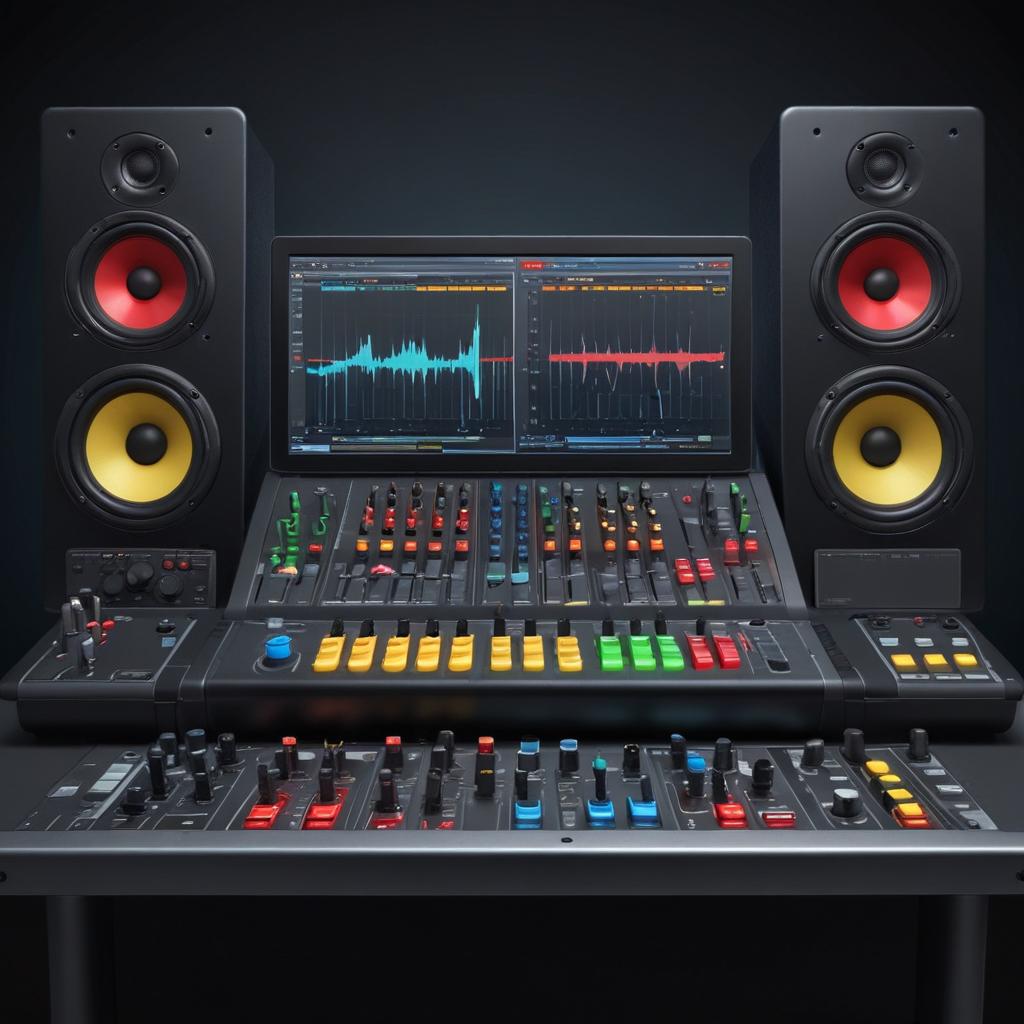
The Role of Sound Design in Slot Games
Sound design plays a crucial role in improving the overall attraction and interaction of slot games. By thoughtfully incorporating audio effects, game developers establish a vibrant and immersive atmosphere that draws players in and maintains their interest. In contrast to silent gaming experiences, slot games depend significantly on expertly designed soundscapes to generate excitement and energy with every spin.
In slot games, sound design is essential rather than just an extra feature; it is intricately integrated into the overall gaming experience. Every audio element—from the background music to the faint sound effects—collaborates to elicit particular feelings and responses from players. The clatter of reels, the chime of coins, and the triumphant music that plays when winning a jackpot are all instances of how sound effects provide instant feedback, amplifying the feeling of success and reward.
The integration of sound design in slot games improves immersion by offering a multisensory experience. Soundtracks typically align with the game’s theme, whether it’s an expedition through the jungle, a high-tech space environment, or a traditional casino atmosphere. These customized audio settings allow players to feel a deeper connection to the game world, enhancing their involvement and pleasure. Additionally, sound design aids in pacing, employing changes in rhythm and intensity to elevate suspense and emphasize crucial events such as bonus rounds or free spins.
Audio effects subtly steer players without inundating them. For example, soft reel spins and quiet clicks can establish a mesmerizing rhythm that promotes ongoing play, while louder, more dynamic sounds indicate significant events that heighten excitement. Sound designers meticulously calibrate these effects to guarantee that the audio enhances gameplay instead of diverting attention, preserving an ideal gaming experience that attracts both new and experienced players.
In addition, sound design contributes significantly contributes to the genuine feel and authenticity of slot games. High-quality audio effects replicate the sounds of actual casinos, which many players find comforting and pleasurable. This sense of familiarity can evoke trust and nostalgia, enriching the overall gaming experience. By improving ambiance and mood, sound design distinguishes slot games in a competitive market, ensuring that each gaming session is both memorable and thrilling.
To sum up, sound design plays a crucial role in slot games, enhancing the entire gaming experience with meticulously designed audio effects. By engaging players’ senses and emotions, it creates an immersive atmosphere that boosts enjoyment and promotes longer playtime, transforming slot games into a more enjoyable and immersive experience.
Enhancing Player Engagement Through Audio
Player engagement is essential for providing a memorable slot experience, and sound design is crucial to this effort. By utilizing thoughtfully designed audio cues, developers can greatly enhance the interaction players experience with slot machines. These sound elements are more than mere background noise; they serve as intentional tools aimed at sustaining attention and generating excitement during gameplay.
Sound elements like cheerful jingles, intensifying sound effects, and gentle feedback noises provide players with instant reactions to their actions, enhancing positive reinforcement. For example, the ascending tone that indicates a potential winning combination creates a sense of excitement, motivating players to remain involved. Likewise, the faint clicks or the mechanical sounds of spinning add a tactile experience, strengthening the bond between the player and the game’s mechanics.
These sound effects collaborate closely with visual components to elevate the entire gaming experience, making every spin feel lively and gratifying. By fostering an engaging environment, audio signals pull players further into the slot’s story and mechanics, boosting their desire to keep playing. This combination of sound and interaction guarantees that players are not merely bystanders but engaged participants in their slot journey.
In the end, intentional sound design enhances player involvement by utilizing audio signals to create excitement, direct focus, and forge emotional ties between players and the slot machine. This improved interaction results in extended play periods and a more gratifying gaming experience as a whole.
Establishing Game Atmosphere with Sound
A crucial component in designing a captivating slot game is the strategic use of sound to create the game’s ambiance. The background music is essential for establishing the tone and immersing players in the game’s environment right from the initial spin. Thoughtfully crafted soundtracks can elicit various emotions—from thrill and eagerness to calmness and intrigue—enhancing the significance and enjoyment of each moment.
Sound themes are designed to complement the visual aesthetics and storyline of the slot, enriching the immersive experience. For instance, a slot themed around ancient mythology could showcase haunting, otherworldly tunes paired with delicate tribal beats, whisking players away to a mythical world. On the other hand, a space-themed game set in the future might feature music laden with synthesizers and electronic sounds that highlight a cutting-edge, adventurous atmosphere. These thematic audio environments strengthen the visual narrative, resulting in gameplay that feels more unified and engaging.
Through the combination of various sound components—like ambient sounds, musical themes, and dynamic effects—developers create a vibrant audio landscape that engages players. The shifting background music can adapt to gameplay moments, becoming more intense during bonus rounds or soothing during standard spins, which deepens the sense of immersion. In the end, the integration of background music and sound themes elevates a basic slot game into a truly immersive experience, allowing players to feel emotionally linked to the action as it unfolds.
Psychological Impact of Sound on Slot Players
Sound design plays a crucial role plays a significant role in influencing the mindset of slot players by affecting their emotions and gambling actions. By using thoughtfully designed sound effects, game creators can trigger feelings of thrill, create a sense of anticipation, and improve the perception of rewards, all of which help create a more captivating and immersive gaming environment.
A key method that sound affects player psychology employs is by evoking emotional reactions. For instance, lively and dynamic music paired with colorful sound effects can amplify a player’s thrill while playing. This increased thrill not only enhances the gaming experience but may also motivate players to keep playing by activating the brain’s reward systems.
In addition, sound effects instill a feeling of anticipation, serving as a significant motivator for gambling actions. The tension-building sounds, like ascending notes or rhythmic beats, replicate natural signals of expectation, maintaining player engagement as they look forward to the results of a spin. This suspense creates a mental attraction, enhancing the experience’s excitement and unpredictability, potentially resulting in extended playtime on the slot machine.
The way players perceive rewards is significantly influenced by sound. When a win occurs, celebratory sounds like jingles, chimes, or fanfares enhance the sense of achievement. These enjoyable auditory signals strengthen the experience of winning, which can boost a player’s emotions and drive to continue playing. The brain links these sounds to feelings of joy and success, forming a feedback loop that promotes ongoing participation.
Research in psychology indicates that auditory cues can impact choices and risk-taking actions. In slot machines, sound effects gently encourage players to act more impulsively by amplifying the emotional highs associated with wins and the excitement of possible victories. This intricate relationship between sound and gambling behavior highlights the intentional incorporation of audio features in slot game design to boost player engagement and enjoyment.
In conclusion, the psychology of sound effects in slot games reveals a profound relationship between player feelings and sound cues. By enhancing thrill, expectation, and the sense of reward, sound design not only enhances the gaming experience but also influences player actions. Grasping this dynamic is crucial for developing engaging slot games that attract and maintain player engagement.
Sound as a Trigger for Reward and Excitement
The sounds of victory and different audio signals in slot games act as strong motivators that greatly boost player engagement. These meticulously designed audio cues aim to establish a mental link between achievement and positive feedback, prompting players to spend more time with the game. Whenever a player achieves a winning combination, the festive tunes or lively sound effects activate the brain’s reward mechanisms, triggering dopamine release, which is directly associated with sensations of joy and thrill.
In addition to indicating victories, these audio signals enhance the excitement by enriching the gaming environment, ensuring that every spin feels more lively and exhilarating. The suspense generated by escalating sound effects prior to a result being shown is equally crucial as the sound of winning. This multi-faceted strategy in sound design keeps players captivated, anxiously anticipating the following result. By leveraging these reward cues, game developers establish an engaging cycle where enthusiasm propels motivation, encouraging players to persist in trying their fortune.
In addition, the deliberate incorporation of unique sounds for various win amounts or bonus rounds contributes to a dynamic and engaging auditory experience. Gamers swiftly connect these victory sounds with success, enhancing their emotional reactions and overall enjoyment. Ultimately, sound design plays a crucial role in creating an immersive slot experience that transcends visuals, employing reward cues and thrill to ensure players remain emotionally engaged and encouraged to continue playing.
Minimizing Player Fatigue with Sound Design
Player fatigue frequently arises during extended slot sessions, typically due to monotonous or excessive audio signals. Skillful sound design utilizes pacing strategies that thoughtfully adjust the intensity and frequency of sounds to prevent overstimulation. By distributing significant audio moments rather than stacking them closely together, designers support sustained player interest while minimizing sensory overwhelm.
Incorporating a range of audio options is an essential tactic to fight player fatigue. By using a mix of sound effects and musical scores, the auditory experience remains engaging and avoids becoming repetitive. This diversity may feature gentle background sounds, varying sound themes across different game stages, or responsive audio that adjusts in real-time to the player’s progress, making sure the sound environment develops in tandem with the player’s adventure.
The deliberate incorporation of silence or soft sound intervals is equally crucial. These calmer segments enable players to pause and take in the game’s environment without constant noise, which greatly alleviates auditory exhaustion. When combined with sudden, thrilling sounds at pivotal moments, this contrast boosts player engagement by making significant sounds stand out more.
To sum up, intentional sound pacing, varied audio components, and strategically placed silences collaborate to reduce player fatigue. By consistently revitalizing the listening experience, these sound design methods not only boost enjoyment but also aid in maintaining player engagement, promoting extended and more fulfilling gameplay sessions.
Innovations in Sound Design to Enhance Slot Experience
As slot technology advances, new developments in sound design are crucial for creating more immersive and engaging gaming experiences. Conventional sound effects are being replaced by advanced audio engineering methods that enthrall players with dynamic, lifelike audio landscapes. A key breakthrough is the incorporation of 3D audio, which enables sound to be experienced in three-dimensional space, providing players with a more genuine sense of depth and spatial awareness within the game.
3D audio technology elevates the slot experience by creating sounds that travel around the player or come from distinct in-game elements, making wins, bonuses, and special features feel more significant. For instance, experiencing a jackpot win sound rotate around the player’s head or a coin drop echo from one ear to the other amplifies the thrill and emotional engagement with the result. This spatial audio effect fully immerses the player beyond the capabilities of traditional stereo sound, perfectly complementing the visually vibrant and interactive aspects of contemporary slots.
A significant advancement in the field is adaptive sound design, which modifies audio components in real-time according to the player’s actions and the current game situation. In contrast to fixed soundtracks or effects, adaptive sound reacts fluidly to the player’s movements within the slot—whether they are spinning quickly, activating several bonuses, or starting a free spin round. This results in a distinctive and tailored auditory experience that develops as the game progresses, keeping players engaged and avoiding audio fatigue.
Adaptive sound in slot technology improves accessibility as well. Audio can be customized to fit player preferences, or in-game audio cues can be highlighted to support players with hearing challenges or cognitive variations. This tailored method promotes a more inclusive gaming atmosphere and establishes new benchmarks for player-focused design in digital entertainment.
Additionally, advancements in machine learning and artificial intelligence are shaping sound design by facilitating the automatic creation of audio effects that are responsive to the context, enhancing game themes and narratives in real-time. AI-driven sound engines assess player actions and in-game occurrences to tailor soundtrack atmospheres that amplify excitement or suspense as required, providing a harmonious integration of sound and gameplay.
In summary, advancements like 3D audio, adaptive sound, and AI-powered sound design are revolutionizing slot technology to provide enhanced, more immersive audio experiences. These developments not only boost player satisfaction and involvement but also expand the possibilities of what slot games can deliver regarding sensory engagement and interactivity. As sound design keeps evolving, players can look forward to even more enthralling auditory adventures that enhance the excitement of the spin.
3D Audio and Immersive Soundscapes
3D audio technology is transforming how players engage with slot games by delivering incredibly lifelike sound environments. In contrast to conventional stereo sound, 3D audio or spatial audio offers a multi-faceted listening experience, enabling sounds to originate from various directions—above, below, and all around the player. This immersive audio design draws players in more effectively, enriching the overall ambiance and making the gameplay feel more intuitive and enchanting.
Through sophisticated sound processing methods, 3D audio replicates the way sound waves engage with both the surroundings and the player’s ears. This technology is capable of emulating the delicate details of real-world acoustics, including echoes, reverberation, and spatial distance, enriching the slot game’s audio landscape with authenticity and depth. Consequently, players experience a fully enveloping sound environment, significantly enhancing their immersion in the game.
- Realistic spatial audio: Sounds are positioned accurately in three-dimensional space, making events in the game world feel physically present.
- Dynamic movement tracking: As the player interacts with the slot, audio elements shift naturally to match in-game action and perspective changes.
- Enhanced emotional engagement: The immersive soundscape evokes stronger emotional reactions, intensifying moments of wins or anticipation.
- Customizable audio layers: Developers can design complex sound environments that adapt to gameplay situations, ensuring continuous player engagement.
- Improved player focus: 3D audio reduces distractions by guiding the player’s attention through spatial cues embedded in the sound design.
To sum up, 3D audio and immersive sound environments are crucial elements in contemporary slot game sound design. They craft a convincing sound landscape that draws players further into the experience, enhancing the thrill and involvement with each spin through cutting-edge spatial audio technology.
Adaptive Sound Effects Based on Gameplay
Adaptive sound is essential for delivering an immersive slot experience as it reacts directly to how players interact with the game. In contrast to unchanging audio loops that play continuously, dynamic audio adapts in real-time, mirroring the game’s current situation and the player’s actions. This responsiveness in sound guarantees that every spin, win, or bonus round features personalized auditory signals that boost engagement and emotional ties.
When players activate a specific feature or achieve a significant combination, the game’s audio adjusts fluidly to emphasize these instances. For instance, victorious spins could be accompanied by festive sound effects and invigorating musical transitions, whereas close calls or unique bonus rounds might bring in tense or expectant sounds. This interactive sound layering keeps players engaged by delivering ongoing feedback that corresponds with their gaming experience.
Additionally, adaptive sound utilizes intelligent sound design methods that emphasize responsiveness. By leveraging real-time information like bet amounts, win rates, and event cues, the audio engine can adjust volume levels, incorporate echoes, or bring in fresh musical components that develop in harmony with the player’s experience. This leads to a more tailored and immersive slot session, setting it apart from standard background music.
Ultimately, incorporating adaptive sound effects that respond to gameplay interactions enhances the sensory experience and boosts player involvement. By transforming sound into a dynamic feature that reacts to in-game occurrences, developers enhance the slot experience, making it more interactive, emotionally engaging, and unforgettable.

I’ve spent the last decade dissecting everything from classic slot volatility to the latest crash game mechanics, driven by a genuine fascination with how RNG and math drive entertainment. Whether I’m tracking tournament meta-changes or hunting for hidden features in new mini-games, my goal is to share honest insights that help players understand the games they love.