
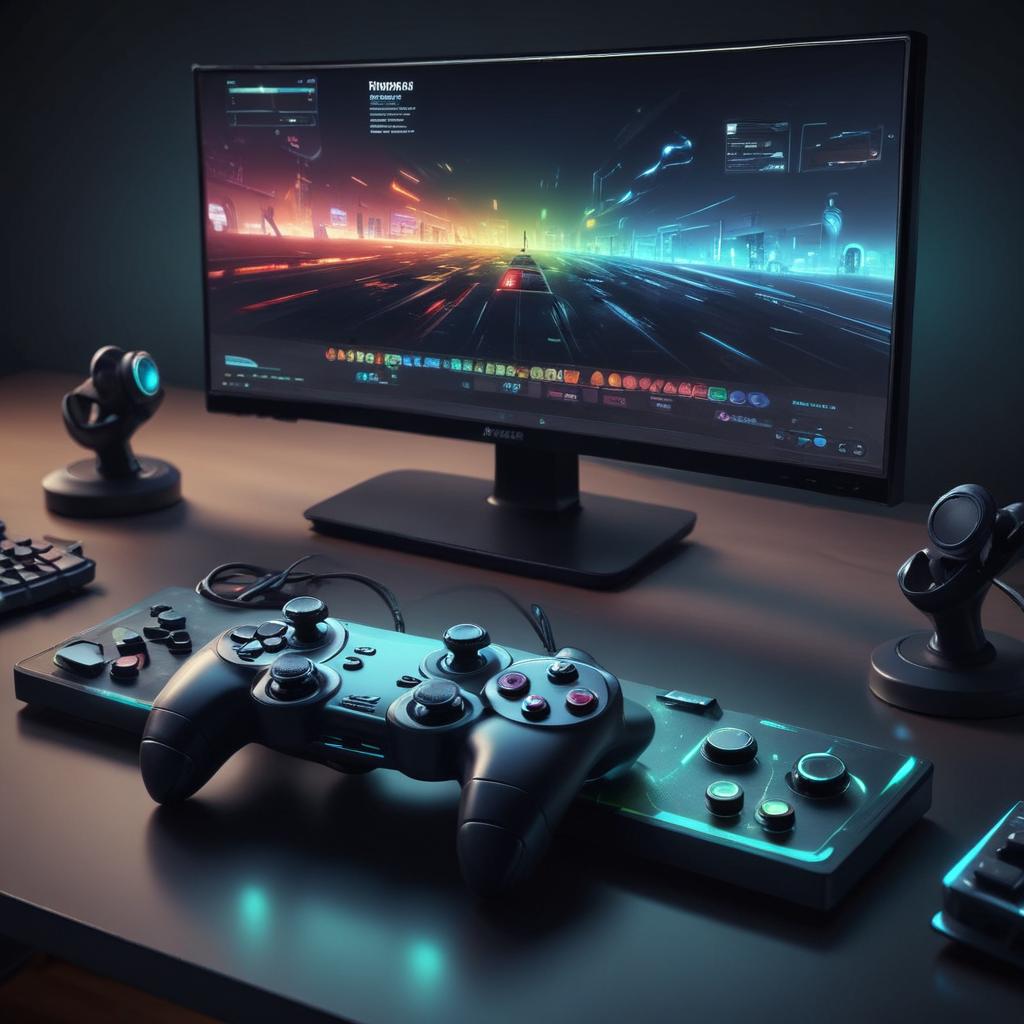
Understanding Intuitive Game Controls
Intuitive controls are essential in game design as they form the core medium through which players interact with the game. Controls become intuitive when players can easily understand and use them without a steep learning curve or constant reference to instruction manuals. This ease of use enhances the overall user experience, allowing players to focus more on gameplay and immersion rather than on figuring out how to operate the game itself.
What makes controls intuitive often stems from their alignment with natural human behaviors and expectations. For example, using familiar button layouts, simple gestures, or responsive input methods that mimic real-world actions can make controls feel more natural. Consistency is also crucial; when similar actions require similar inputs across different parts of the game, players quickly learn the mechanics and adapt comfortably. Feedback from the game, such as visual or audio cues following player inputs, reinforces this intuitive interaction and helps players understand the impact of their actions immediately.
Intuitive controls directly impact the player experience by reducing frustration and cognitive load. When controls are complicated or unintuitive, players can become disengaged, leading to negative feelings and potentially abandoning the game altogether. Conversely, clear and fluid controls invite experimentation, strategy, and deeper engagement, which are vital for player retention and satisfaction. Ultimately, the goal in game design is to make the controls feel like a seamless extension of the player’s intentions, enhancing immersion and enjoyment.
Incorporating intuitive controls also benefits accessibility, ensuring a wider range of players can enjoy the game regardless of their previous experience or physical abilities. Simplified control schemes, customizable options, and thoughtful user experience design ensure that games are inclusive and inviting. This inclusive approach not only broadens the player base but also fosters a positive reputation for the game and its creators.
In summary, intuitive controls are a fundamental aspect of successful game design because they directly shape the player’s user experience. By making controls natural, responsive, and easy to learn, developers create games that are enjoyable from the first moment of play and maintain player interest over time.
Key Elements of Intuitive Controls
Intuitive controls are essential for a seamless gaming experience, and several key elements contribute to their effectiveness. One of the most important factors is the control layout. A well-designed control layout ensures that buttons, joysticks, or touch inputs are placed logically and ergonomically, allowing players to perform actions effortlessly without confusion or strain. This organization helps players quickly familiarize themselves with the controls and reduces the cognitive load during gameplay.
Responsiveness is another critical aspect. Controls must respond instantly and accurately to player inputs to maintain immersion and precision. Lag or delayed feedback can disrupt the gameplay flow and frustrate players, making the controls feel clunky or untrustworthy. High responsiveness ensures that the game reacts exactly as expected, reinforcing the player’s sense of control and engagement.
Ease of use ties these factors together by focusing on the learning curve. Intuitive controls are easy to learn, even for beginners, allowing new players to get started quickly without lengthy tutorials or trial and error. Simplicity and consistency in control schemes help players internalize actions faster, making the gameplay accessible and enjoyable. Together, a thoughtful control layout, fast responsiveness, and ease of learning form the foundation of intuitive controls that enhance user experience across all types of games.
Benefits of Intuitive Controls in Gameplay
Intuitive controls are a fundamental aspect of gameplay that significantly boost player engagement by creating an accessible and enjoyable experience. When controls feel natural and responsive, players can immediately connect with the game without frustration or confusion, allowing them to focus on the core challenges and objectives. This seamless interaction invites players to spend more time immersed in the game world.
Immersion is greatly enhanced by intuitive controls because they reduce the cognitive load on players, letting them act instinctively and react swiftly. This fluid interaction makes it easier for players to lose themselves in the game’s environment and narrative, as they are not distracted by complex or cumbersome control schemes. The closer the controls align with players’ expectations, the deeper their emotional investment and sense of presence become.
Moreover, intuitive controls support smooth game flow, minimizing interruptions caused by control errors or slow reactions. A well-designed control system allows for quicker response times and sustained momentum, which keeps the gameplay experience exciting and engaging. This continuous flow is crucial for maintaining the player’s interest and creating a satisfying sense of progression throughout the game.
Overall, the benefits of intuitive controls manifest in enhanced player engagement, deeper immersion, and a consistently smooth game flow, all of which are key components in creating compelling and memorable gaming experiences.
Top Games with the Most Intuitive Controls
When it comes to the best games, one key factor that enhances player experience is intuitive gameplay. Games with intuitive controls allow players to jump straight into the action without struggling to master complicated button combinations or awkward control schemes. Below is a list and analysis of some popular games known for their exceptionally intuitive control designs.
- Journey: Journey exemplifies intuitive gameplay by simplifying movement and interaction. Players guide their character using minimal controls, making it easy to explore the beautifully crafted world. The game design emphasizes emotion and experience, and its control scheme complements this by being almost second nature, letting players focus on the visuals and story.
- Mario Kart 8 Deluxe: Known as one of the best games for casual and competitive players alike, Mario Kart 8 Deluxe features controls that are easy to learn yet challenging to master. The game offers responsive steering and straightforward acceleration and braking, while power-ups use simple button presses. This balance keeps the gameplay intuitive and highly engaging.
- Celeste: Celeste’s control scheme boosts player precision with carefully crafted simplicity. The controls are responsive and logical, where each button corresponds to a specific action such as jumping or dashing. This intuitive layout makes navigating complex platforming segments feel natural and rewarding.
- Animal Crossing: New Horizons: The controls in Animal Crossing are designed to reflect the calm and relaxing nature of the game. With simple button presses for interacting with objects, talking to villagers, and managing inventory, players can enjoy seamless gameplay. The intuitive controls enhance immersion, allowing players to focus on creativity and exploration.
- Portal 2: Portal 2 leverages a minimalist approach with intuitive gameplay mechanics centered on puzzle-solving. Using just a few buttons for movement and portal creation, players engage deeply with the game’s innovative challenges without the need for complicated controls. Its control design supports the game’s focus on thinking and experimentation.
In conclusion, the best games combine intuitive gameplay with smart control schemes to deliver memorable and satisfying experiences. Whether it’s a story-driven adventure like Journey or a competitive racer like Mario Kart 8 Deluxe, intuitive game controls remain a crucial element in creating enjoyable and accessible video games.
Platformers with User-Friendly Controls
Platformer games are beloved for their engaging gameplay and precise movements, but a key factor that draws players in is the simplicity of their controls. Games that feature simple controls allow players to focus on the fun and challenge of the game mechanics without being bogged down by complicated input methods. This usability is crucial, especially for newcomers to the genre, as it invites them to experience the essence of platforming without frustration.
Many acclaimed platformers utilize intuitive control schemes that require just a few buttons to navigate, jump, and interact with the environment. By minimizing unnecessary complexity, these games create a seamless experience where timing and strategy shine. User-friendly controls also enhance the learning curve, making it easier for players to master the levels and enjoy the character movements.
Moreover, the best platformer games balance their simple controls with deep and rewarding game mechanics, ensuring that while the input is straightforward, the gameplay remains rich and engaging. This combination makes the genre accessible yet challenging, appealing to a wide range of players who appreciate both ease of use and depth in their gaming adventures.
Action and Adventure Titles Excelling in Control Simplicity
Action games and adventure games often demand a delicate balance between immersive complexity and control simplicity. The most successful titles in these genres are those that offer intuitive controls, allowing players to dive seamlessly into gameplay without being bogged down by complicated input schemes. By focusing on control simplicity, developers enhance player engagement and reduce frustration, making games more accessible to a broader audience.
Many renowned action games have achieved this by streamlining their control layouts, ensuring that critical functions such as movement, combat, and interaction remain straightforward. This approach allows players to execute complex moves effortlessly while keeping the learning curve gentle. Adventure games also benefit from clean and intuitive controls by emphasizing exploration and narrative flow, letting players focus on puzzle-solving and story progression without control-related distractions.
The key in these action and adventure titles lies in balancing complexity with control simplicity. Developers incorporate context-sensitive buttons, responsive input systems, and minimal button mashing, creating a play experience that feels natural and fluid. Ultimately, the intuitive play made possible by these design choices helps maintain immersion and ensures that the challenge arises from gameplay tactics and story depth rather than cumbersome controls.
Innovative Controls in VR and Mobile Gaming
Virtual reality (VR) and mobile gaming have revolutionized the way players interact with games by introducing innovative control schemes that enhance immersion and accessibility. VR controls, for instance, leverage motion tracking, hand gestures, and spatial awareness to create a gaming experience that feels natural and intuitive. Players can physically reach out, grab, and manipulate objects just as they would in the real world, which drastically reduces the learning curve and increases engagement.
Similarly, mobile gaming takes advantage of touchscreens, accelerometers, and gyroscopes to enable controls that adapt to the player’s natural movements. Swiping, tapping, tilting, and multi-touch gestures are seamlessly integrated into game mechanics, allowing for precise and fluid control without the need for external peripherals. This not only broadens the accessibility of games but also opens new avenues for innovative gameplay designs that respond dynamically to how players interact with their devices.
Both VR and mobile platforms push the boundaries of traditional control methods by focusing on intuitive input systems. The natural feel of these controls encourages players to dive deeper into the game world, making gameplay more immersive and enjoyable. As technology continues to advance, we can expect even more refined VR controls and mobile gaming innovations that prioritize user-friendly, immersive experiences.
Design Tips for Creating Intuitive Game Controls
Creating intuitive game controls is a pivotal aspect of game design that can make or break player experience. To optimize control schemes effectively, developers need to focus on clarity, responsiveness, and accessibility at every step.
First and foremost, simplicity is key in game design tips aimed at control optimization. Controls should be easy to learn and remember, reducing the cognitive load on players. Avoid overloading the control scheme with unnecessary buttons or complex combinations. Instead, map essential actions to prominent, easily reachable buttons or keys that align naturally with player expectations.
Another important tip is to provide continuous and clear player feedback. Whether through tactile responses like vibrations, auditory cues, or visual animations, feedback helps players understand the results of their inputs instantly. This loop of input and feedback not only reinforces engagement but also aids players in mastering the controls more quickly.
Accessibility should also be a priority when designing intuitive controls. Consider including customizable key bindings or control remapping options to accommodate different player preferences and physical abilities. Support for various input devices such as controllers, keyboards, and touchscreens ensures that your game can reach a broader audience and caters to individual comfort.
Testing is an essential phase in refining game controls. Developers should conduct extensive playtests with diverse player groups, gathering feedback to identify pain points or confusing control elements. Iterative refinement based on real user input helps achieve the perfect balance between complexity and ease of use.
In summary, combining simplicity, responsive player feedback, accessibility features, and thorough testing are vital game design tips to create control systems that feel natural and intuitive. By prioritizing these aspects, developers can enhance overall player immersion and satisfaction, ultimately contributing to a more successful game.
Simplifying Control Schemes Without Sacrificing Depth
Streamlining controls in games is key to enhancing player experience, making games more accessible without losing the intricate game depth that engages players. One effective way to implement simple controls is to prioritize context-sensitive actions, where a single button adapts to different scenarios. This reduces the number of buttons players must remember while keeping gameplay mechanics rich and varied.
Another approach is to design intuitive control layouts that align with natural player expectations. Grouping related actions and using ergonomic input methods help players feel more connected to the game, eliminating frustration and boosting immersion. Combining this with tutorials or adaptive hints encourages mastery of deeper mechanics over time without overwhelming the player initially.
Developers can also use layered controls—where simple inputs can trigger basic actions, but more complex interactions surface through combinations or timing. This approach maintains simplicity at first glance while offering depth for experienced players to explore. Streamlining the interface visually and functionally complements this by highlighting key controls and minimizing distractions.
Ultimately, balancing simple controls with game depth enhances player experience by making games approachable yet stimulating. By carefully designing control schemes that evolve with player skill and maintain flexibility, games can deliver engaging mechanics that satisfy both novices and veterans alike.
User Testing and Iteration for Control Refinement
User testing plays a crucial role in the development of intuitive game controls. By observing real players as they interact with the game, developers gain valuable insights into how controls are understood and utilized. This firsthand feedback highlights any confusion or difficulty users may experience, enabling targeted refinements that enhance the overall user experience.
Iteration, fueled by continuous feedback, is essential to perfecting control schemes. Each cycle of user testing allows developers to make incremental adjustments, test new hypotheses, and discover more natural ways to align controls with player behavior and expectations. This iterative design process ensures that controls become fluid and instinctive rather than cumbersome or frustrating.
Without extensive user testing and control iteration, even well-designed mechanics can fall flat if players struggle with input methods. Intuitive controls reduce cognitive load and allow players to focus on gameplay rather than fighting the interface. Thus, combining user testing with iterative refinement leads to a polished, accessible gaming experience where controls feel seamless and second nature.
In summary, incorporating ongoing user testing and iterative feedback loops is indispensable to creating game controls that truly resonate with players, enhancing enjoyment and accessibility across diverse audiences.

I’ve spent the last decade dissecting everything from classic slot volatility to the latest crash game mechanics, driven by a genuine fascination with how RNG and math drive entertainment. Whether I’m tracking tournament meta-changes or hunting for hidden features in new mini-games, my goal is to share honest insights that help players understand the games they love.