
Gaming commissions, which act as regulatory authorities, rely heavily on the results provided by these independent labs during the certification process. They review the test reports and ensure the RNG software complies with legal and ethical standards set forth for gambling operations. This certification process involves not only initial approval but also periodic audits to make sure the software continues to operate fairly over time.
Through this collaborative approach between independent labs and gaming commissions, the entire ecosystem benefits. Players gain confidence knowing that casino games are vetted by trusted third parties, and operators can demonstrate their commitment to transparency and fairness. Ultimately, this third-party testing and certification process is fundamental to sustaining a fair gaming environment and protecting both players and the industry.
Common Fairness Measures in Casino Games
To ensure gaming fairness, casinos employ several key metrics and measures that quantify the fairness and randomness of their games. One of the most critical metrics is the return to player (RTP), which represents the percentage of wagered money a game is programmed to pay back to players over time. A higher RTP generally indicates a better chance for players to win, reflecting fairness in terms of long-term expected returns.
Closely related to RTP is the house edge, which denotes the mathematical advantage a casino holds over players. The house edge ensures casinos maintain profitability while offering games that operate within defined fairness parameters. Transparent disclosure of both RTP and house edge helps build trust between players and gaming operators.
Another vital aspect is the implementation of randomness verification. Utilizing certified Random Number Generators (RNGs), casinos guarantee that game outcomes are unpredictable and not influenced by external factors. Independent testing agencies rigorously audit these RNGs to verify their integrity, reinforcing gaming fairness across platforms.
Together, these measures—return to player, house edge, and randomness verification—create a framework that upholds the principles of fairness and trustworthiness in casino gaming. Players can confidently engage knowing that their gaming experience rests on well-established, monitored fairness standards.
Player Considerations and Best Practices
When engaging with online casinos, player safety should always be a top priority. Knowing how to identify fair casinos and understanding the role of random number generators (RNGs) in game fairness can enhance your overall gaming experience and protect you from potential fraud. Here are several important considerations and game fairness tips to help you make informed decisions.
First, always choose casinos that are licensed and regulated by reputable authorities. Licensing bodies enforce strict guidelines designed to ensure player safety and fairness. A well-regulated casino will prominently display its license information, making it easy for players to verify their legitimacy. This is an essential step in choosing fair casinos that use properly tested RNGs to guarantee random outcomes in their games.
Another key aspect is checking whether the casino’s RNG software is audited by independent third-party organizations like eCOGRA, iTech Labs, or GLI. These audits verify that the RNGs used produce statistically random results, ensuring game fairness and preventing manipulation. Casinos that provide audit certificates or seals from such organizations demonstrate their commitment to maintaining fair gameplay.
Understanding how RNGs work can also empower players to set realistic expectations. RNGs generate outcomes that are completely random and unpredictable, meaning no strategy can guarantee consistent wins. Recognizing this helps players avoid falling for misleading claims about guaranteed wins or systems that manipulate game results.
To further protect yourself while enjoying online games, practice responsible bankroll management. Set limits on your spending, take frequent breaks, and avoid chasing losses. These best practices allow you to enjoy the games without risking your financial wellbeing, irrespective of the inherent randomness dictated by RNGs.
Lastly, trust your instincts and read reviews from other players. Casinos with positive player feedback and transparent policies are generally safer choices. Combining this with knowledge about RNGs and verified licenses helps build confidence that the games you’re playing are fair and your player safety is prioritized.
How to Verify a Casino’s RNG Fairness
To verify RNG fairness at an online casino, players should begin by checking the casino licenses. Reputable casinos are licensed by recognized authorities such as the Malta Gaming Authority, UK Gambling Commission, or Curacao eGaming. These licenses indicate that the casino operates under strict regulatory oversight, including fair play standards. Alongside licenses, players should look for certifications from independent testing agencies like eCOGRA, iTech Labs, or GLI. These organizations rigorously test and certify the randomness and integrity of the casino’s RNGs, providing trustworthy fair play indicators.
Additionally, reviewing the casino’s transparency about their RNG technology helps verify fairness. Casinos that openly disclose information about their RNG software providers and testing laboratories demonstrate a commitment to fair play. User reviews and expert assessments also provide valuable insights into the casino’s reputation and fairness record. By combining checks for legitimate casino licenses, credible certifications, and transparency about RNGs, players can confidently verify RNG fairness before engaging in gameplay, ensuring a safe and just gambling experience.
Tips for Playing Casino Games Responsibly
Engaging in casino games can be an enjoyable experience if approached with the right mindset. Responsible gambling is key to ensuring that your play remains fun and does not lead to negative consequences. One important tip is to practice limit setting; decide in advance how much time and money you are willing to spend and stick to those limits rigorously. This helps in avoiding impulsive decisions and potential losses beyond your control.
Another crucial aspect of responsible gambling is recognizing fair games. Understanding how random number generators (RNGs) ensure the fairness and unpredictability of outcomes can build your confidence in the games you choose to play. Fair games are those regulated and verified by independent authorities, which use RNG technology to maintain integrity. By focusing on games with clear fairness measures, you reduce the risk of falling victim to biased or rigged systems.
Additionally, it’s wise to take regular breaks and never chase losses, as this can lead to problematic gambling behavior. If you ever feel gambling is affecting your life negatively, seek help or use self-exclusion tools offered by many online casinos. Remember, the goal is to enjoy entertainment responsibly, understanding that the fairness of the game is foundational to a positive, safe gambling experience.
Understanding Random Number Generators in Casinos
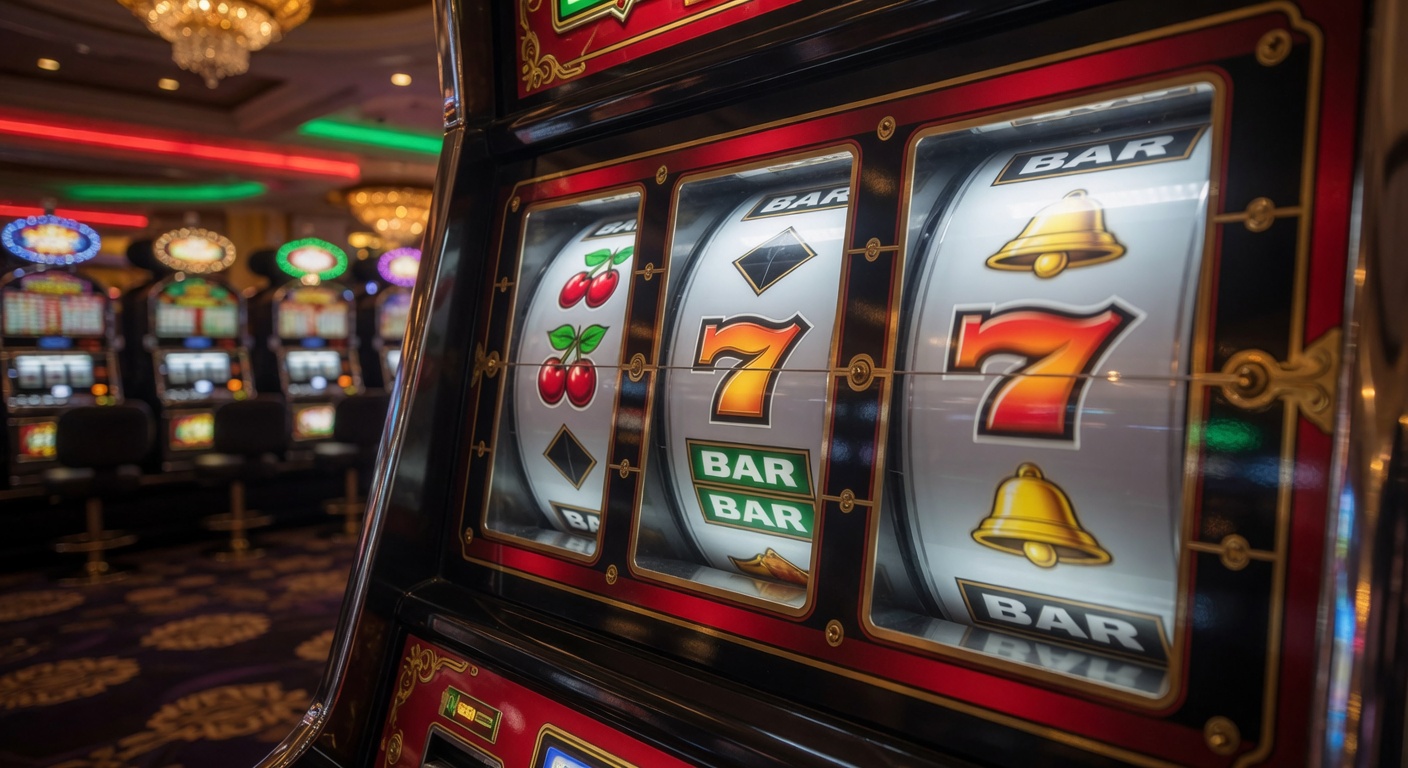
Random number generators, commonly referred to as RNG technology, are at the heart of every modern casino game. These sophisticated algorithms ensure that the outcomes of casino games are unpredictable and fair, providing players with a genuine gaming experience. Casino RNG systems are designed to produce sequences of numbers that lack any discernible pattern, mimicking randomness as closely as possible within a digital environment.
The primary role of a random number generator in gaming software is to determine the result of every game event, whether it’s spinning slot reels, dealing cards in poker, or rolling dice in table games. By generating random outcomes, RNG technology eliminates any possibility of manipulation or predictability that could give unfair advantage to either players or the house. This unpredictability is what keeps casino games exciting and trustworthy.
In practical terms, casino RNG works by continuously producing thousands of numbers per second, even when no game is being played. When a player initiates a game action, such as pressing the spin button on a slot machine, the gaming software picks the most recent number generated by the RNG and translates it into a game result. This means every outcome is determined by an independent and unbiased process, ensuring that no two games are the same.
Moreover, casino RNG systems undergo rigorous testing and certification by independent regulatory bodies to verify their fairness and compliance with industry standards. These audits confirm that the RNG technology used in casino games delivers truly random results and that the house edge remains consistent with what is advertised. This transparency plays a crucial role in maintaining player trust and upholding the integrity of the gaming industry.
In summary, the use of random number generators in casino games is fundamental to ensuring fairness and unpredictability. RNG technology embedded in gaming software provides a secure, unbiased foundation that governs the outcome of each game event, making online and land-based casino gaming a fair and thrilling experience for all participants.
How RNGs Work in Casino Games
Random Number Generators (RNGs) are the core technology behind the fairness and unpredictability of casino games. The RNG mechanism relies on sophisticated software programming to produce sequences of numbers that appear random and unbiased. These algorithms ensure that each game outcome is independent and cannot be predicted or influenced by previous results.
The software programming of RNGs typically involves complex mathematical formulas and computational procedures. These algorithms generate a rapid sequence of numbers, often thousands per second, from a starting point known as a seed value. By continuously altering this seed through various processes, the RNG generates numbers that simulate the randomness expected in fair gaming scenarios.
When a player initiates a game action, such as spinning a slot reel or dealing a card, the RNG picks a number that corresponds to an outcome in the game’s predefined set of possibilities. This number determines the result instantly and fairly, without human interference. Because of this, the integrity and transparency of casino game outcomes hinge on the reliability of their RNG software programming and the quality of the underlying algorithm.
Casino operators often subject their RNG mechanisms to independent audits and certifications to guarantee their adherence to strict fairness and randomness standards. Overall, the seamless integration of RNG technology into casino games plays a pivotal role in maintaining player trust and ensuring an unbiased, enjoyable experience every time.
Types of Random Number Generators
Random Number Generators (RNGs) are essential for ensuring fairness in casino games, and they come in two primary types: hardware RNGs and software RNGs. Hardware RNGs, also known as true RNGs, rely on physical processes such as electronic noise or radioactive decay to generate random values. Because these processes are inherently unpredictable, true RNGs are considered highly reliable for producing genuine randomness, which is crucial for guaranteeing unbiased outcomes in casino gaming.
On the other hand, software RNGs, often referred to as pseudo RNGs, use mathematical algorithms to generate sequences of random numbers. Unlike true RNGs, pseudo RNGs are deterministic, meaning the sequences can be reproduced if the algorithm’s initial state or seed is known. Despite this, software RNGs are widely used in online casinos due to their speed, cost-effectiveness, and ability to produce sufficiently random results when properly implemented and regularly tested.
Both types of RNGs play a critical role in maintaining casino fairness. True RNGs provide a gold standard of randomness but are typically found in physical slot machines and specialized hardware. Software RNGs, which dominate online platforms, must be rigorously audited to ensure the algorithms produce results that are as close to random as possible. Understanding the difference between hardware RNGs and software RNGs is key to comprehending how casinos uphold fairness and transparency in their games.
Ensuring Fairness and Integrity in Casino Games

Random Number Generators (RNGs) are the backbone of ensuring casino game fairness, providing an unbiased and unpredictable outcome for every game played. By generating random sequences, RNGs make it impossible for players or casinos to predict or manipulate results, which guarantees a level playing field. This impartiality fosters player trust, as users feel confident that the games are not rigged and that their chances of winning rely solely on chance.
To maintain the integrity of their casino games, operators employ rigorous testing and certification processes. Independent laboratories and regulatory bodies audit RNGs to confirm they meet strict standards for randomness and fairness. These evaluations often involve a series of statistical tests designed to verify that the RNG produces outcomes consistent with true randomness over extended periods of gameplay.
Once an RNG passes these audits, casinos receive certification reports that affirm compliance with industry regulations and fairness protocols. This certification is often displayed prominently on casino websites, reinforcing transparency and boosting player confidence. Auditing RNGs ensures that the games operate as advertised and remain free from bias, enhancing overall trust in the casino platform.
Further, ongoing monitoring and periodic re-certification are essential to maintain the fairness of casino games. Technology and software systems are continually evolving, so frequent checks help detect any deviations or malfunctions in RNG performance. This dynamic approach to protecting game integrity benefits both casinos and players by delivering consistent and trustworthy experiences over time.
In conclusion, RNGs play a critical role in casino game fairness by enabling unpredictable and impartial game results. Combined with thorough testing and certification, and the auditing of RNGs, these measures uphold the highest standards of integrity and player trust. Casinos that prioritize these processes create a secure gaming environment where fairness is guaranteed and player satisfaction is paramount.
Third-Party Testing and Certification
Independent labs play a crucial role in ensuring the fairness and integrity of random number generator (RNG) software used in casino games. These labs conduct rigorous examinations and testing to verify that the RNG algorithms produce truly random and unbiased results, which is essential for maintaining player trust. By simulating thousands of game outcomes, independent testing facilities assess the RNG’s performance and check for consistency with fairness standards established by the industry.

I’ve spent the last decade dissecting everything from classic slot volatility to the latest crash game mechanics, driven by a genuine fascination with how RNG and math drive entertainment. Whether I’m tracking tournament meta-changes or hunting for hidden features in new mini-games, my goal is to share honest insights that help players understand the games they love.