
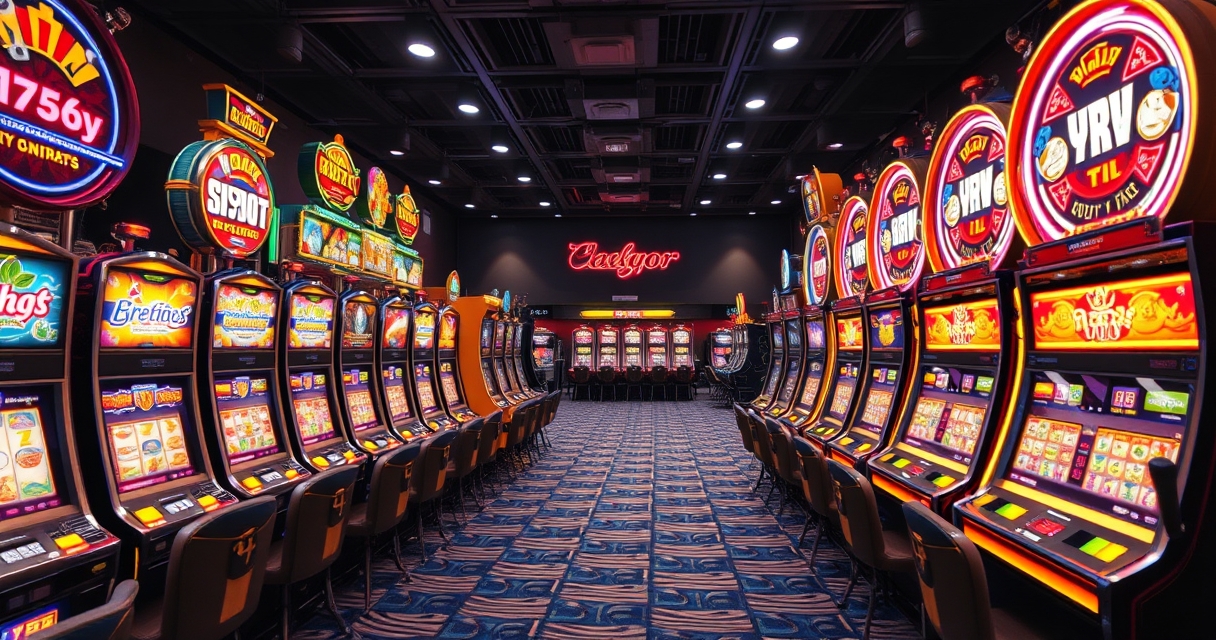
Progressive slots are a special class of slot machines where every spin not only offers a chance for a regular win but also contributes to a skyrocketing prize pool. Understanding how the jackpot accumulation mechanism works and what triggers can lead to its activation allows players to make more informed decisions and, ultimately, increase their chances of winning a “life-changing” sum. In this article, we will explore the intricacies of progressive slots, their technical features, and strategies that will help maximize every game.
What is a Progressive Slot and How the Jackpot is Formed
A progressive slot is a slot machine where a portion of each bet is automatically set aside into a separate “prize” pool. This pool grows with every spin from players worldwide until it is randomly won or triggered by a specific in-game condition. Unlike fixed jackpots, the size of a progressive prize is not set and changes in real-time, sometimes reaching several million dollars.
Technically, the process is built on a server-based system where each operator connects to a central “progressive” server. When a player bets, for example, $1, a portion of that amount (usually from 1% to 5%) is transferred to the common pot. Meanwhile, the remaining 95-99% goes into the slot’s regular bank, ensuring payouts for standard combinations.
Progressive Jackpot Accumulation Mechanics
Accumulation occurs in two stages: contribution and distribution. The contribution is formed automatically, without any player intervention. Most providers use a “distribution system” that allows retaining part of the jackpot for future payouts to ensure stable payments even with large wins.
The distribution occurs at the moment the trigger is activated. If the jackpot is won, the system immediately “resets” it to the base level, which is determined by the provider’s program. After this, the accumulation process starts anew, and in the interval between wins, the jackpot continues to grow thanks to players’ bets.
Types of Progressive Jackpots
There are several main classifications of progressive jackpots. Network (multi-game) jackpots combine several games from one provider into a single common pool, which accelerates prize growth. Local (standalone) jackpots are tied to a specific slot and usually grow more slowly but offer a more predictable win size.

Additionally, the industry distinguishes fixed progressive jackpots, where the prize size is fixed but payout occurs only when a special combination is achieved, and random progressive jackpots, which can be won at any moment, regardless of combinations, thanks to a built-in random number generator.
Win Triggers: Combinations, Random Events, and Bonus Rounds
The most well-known trigger is the “progressive” symbol, which appears on all reels simultaneously. When it lands, the player wins the jackpot, often as a fixed prize but sometimes as a “multiplier” that increases the current progressive pool. Some providers add the requirement to collect a specific set of “scatters” or “wild symbols,” making the process more interactive.
Progressive jackpots are triggered without visible in-game combinations. The software algorithm generates an event with a predefined probability (for example, 1 in 10,000 spins). When triggered, the player is automatically credited with the current jackpot size, and the game continues without interruption. Such triggers are often accompanied by visual and sound effects that enhance the emotional response.
Bonus rounds may also include a separate mini-game mechanism where the player chooses one of several elements (chests, doors, etc.), each hiding a portion of the jackpot. This adds an element of “choice” and increases engagement, while also allowing the provider to distribute the jackpot across multiple payout levels.
Player Strategies: Bets, Volatility, and Bankroll Management
To maximize the use of progressive slots, it is recommended to place the full bet size, as many jackpot triggers require the maximum bet. When playing with the minimum bet, the chance of winning the progressive jackpot often drops to zero, and even if it remains, the payout will be significantly smaller.
Slot volatility plays a key role. High-volatility slots offer rare but large payouts, including the jackpot, whereas low-volatility slots frequently provide small wins but rarely “hit” the jackpot. Players willing to engage in long sessions should choose high-volatility options to increase their chances of a big win.
Regardless of the chosen strategy, it is important to follow bankroll management rules. Determine the maximum amount you are willing to spend in a single session and do not exceed it, even if the jackpot seems “within reach.” Playing progressive slots is primarily for entertainment, not a guaranteed way to earn money.
The Role of RTP and Volatility in Progressive Slots
Player Return (RTP) in progressive slots is typically lower than in “regular” machines because a portion of bets goes toward the growing jackpot. The average RTP of progressive slots ranges from 92% to 96%, though in some cases, it can drop to 88% in favor of a larger progressive pool.

Volatility determines the frequency and size of payouts. With high volatility, players may endure long periods without wins but ultimately land a massive jackpot. Low-volatility slots provide a steadier stream of small wins, making them more suitable for players with a limited budget.
The combination of RTP and volatility should be considered when choosing a slot. If the goal is a chance at a large jackpot, it’s better to favor high-volatility slots, even if their RTP is lower. If stability and extended gameplay are priorities, look for slots with higher RTP and moderate volatility.
Trends and Future Developments in Progressive Slots
Technological advancements in online casinos are leading to the emergence of new progressive jackpot formats. One of the most exciting innovations is multi-jackpot tournaments, where multiple players simultaneously compete in a single progressive pool, with the winner determined by the best results within a limited time.
Another trend is social progressive jackpots, where players can form clans or groups to collectively contribute to a shared jackpot. This adds an extra layer of interaction, boosts brand loyalty, and opens new opportunities for marketing promotions.
Finally, the evolution of mobile and VR platforms allows for the integration of progressive jackpots into fully immersive gaming environments, where visual and sound effects enhance the sense of “being close to winning.” These technologies make the gaming process more thrilling and could become the new standard in the gambling entertainment industry.

I’ve spent the last decade dissecting everything from classic slot volatility to the latest crash game mechanics, driven by a genuine fascination with how RNG and math drive entertainment. Whether I’m tracking tournament meta-changes or hunting for hidden features in new mini-games, my goal is to share honest insights that help players understand the games they love.