
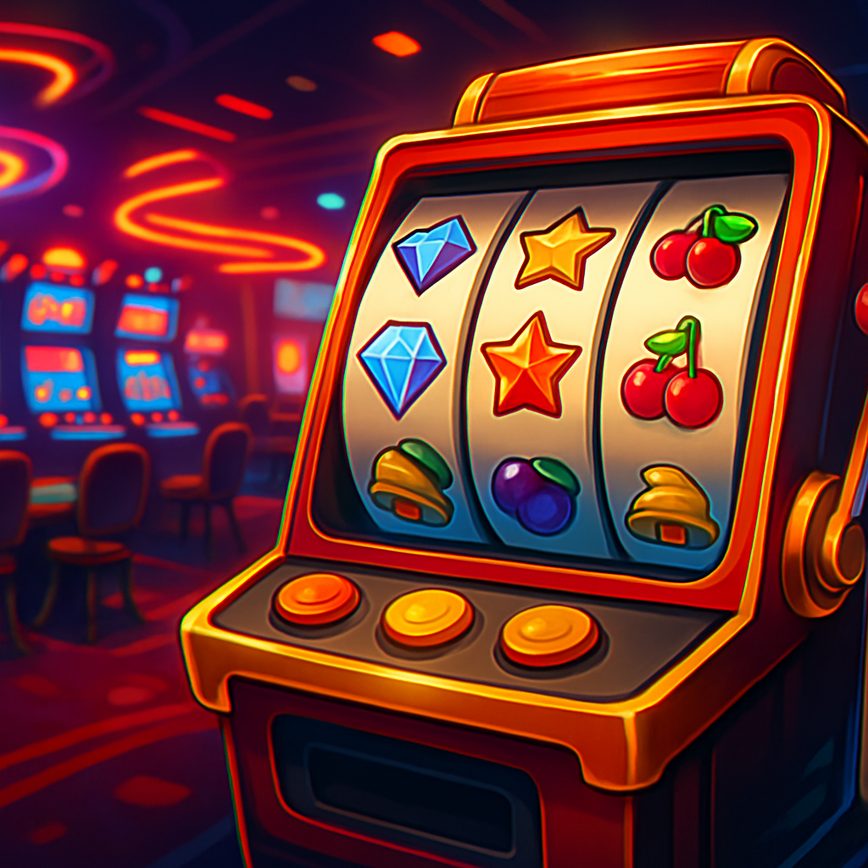
Introduction to Gamification in Casinos
Gamification is the integration of game-design elements and principles into non-game contexts to motivate participation, engagement, and loyalty. In the world of casinos, gamification has emerged as a powerful strategy to enhance player engagement by blending traditional gaming technology with innovative interactive experiences. This approach transforms routine gambling activities into immersive adventures, encouraging players to spend more time and enjoy richer interactions within the casino environment.
The concept of gamification harnesses the psychological triggers found in games—such as rewards, challenges, achievements, and competition—to create a more compelling experience for casino patrons. Rather than simply placing bets or spinning reels, players encounter a layered gaming experience that offers constant feedback and incentives. This shift is fueled by advancements in gaming technology, enabling casinos to design sophisticated loyalty programs and interactive platforms that respond dynamically to player behavior.
In casinos, gamification manifests in various forms, from point-based loyalty programs where players unlock rewards or perks after reaching specific milestones, to tournament-style competitions that introduce a social and competitive facet to gaming. These features not only increase player retention but also foster a deeper emotional connection to the casino brand. By incorporating game mechanics, casinos can differentiate themselves in a competitive market and cater to a generation of players who seek entertainment beyond simple gambling transactions.
Ultimately, gamification in casinos leverages the latest gaming technology to captivate players and boost engagement. This evolution aligns with broader trends in digital entertainment, where interactivity and personalized experiences define success. As casinos continue to innovate, gamification will remain a crucial element in attracting, retaining, and rewarding loyal players, thus reshaping the traditional gambling landscape into a dynamic and player-centric environment.
What is Gamification?
Gamification is the process of integrating game mechanics into non-game environments to enhance user engagement and motivation. At its core, gamification takes elements such as points, badges, leaderboards, challenges, and interactive gameplay to create a more compelling and enjoyable experience. The main objective is to encourage behavioral motivation by tapping into people’s natural desires for competition, achievement, and reward.
By applying these game mechanics outside traditional gaming contexts—like casinos, loyalty programs, education, and marketing—organizations can influence user behavior in a positive way. For example, interactive gameplay features in loyalty programs invite participants to actively engage with the system, fostering a deeper connection and improving retention. This approach transforms routine activities into dynamic experiences, making users more likely to return and interact consistently.
In essence, gamification definition revolves around using the principles of game design to motivate people to complete tasks, achieve goals, or adopt new behaviors in settings where the typical gaming environment doesn’t exist. Its success lies in creating meaningful and rewarding interactions that drive participation, loyalty, and ultimately, desired behavioral outcomes.
Benefits of Gamification for Casinos
Gamification plays a crucial role in boosting customer retention in casinos by creating engaging and interactive experiences that keep players coming back. By incorporating game-like elements, such as rewards, achievements, and competitions, casinos cultivate a sense of excitement and anticipation that deepens player engagement. This sustained interest helps to build strong player loyalty as customers feel more connected and valued.
Furthermore, gamification strategies are highly effective in driving revenue growth. When players are more engaged, they tend to spend more time and money within the casino environment, both online and offline. Loyalty programs that leverage gamified features encourage repeat visits and increased participation, ultimately translating into higher lifetime value from each customer. Through these interactive loyalty rewards, players are motivated to reach new levels and unlock exclusive bonuses, reinforcing their commitment to the casino brand.
Overall, the integration of gamification in casinos is a powerful tool for enhancing customer retention, increasing player engagement, and generating substantial revenue growth. By fostering a dynamic and rewarding environment, casinos can ensure long-term player loyalty and maintain a competitive edge in the industry.
Gamification Strategies in Casino Loyalty Programs
Gamification has become a key element in enhancing the effectiveness of loyalty programs within casinos. By integrating game-like reward systems, casinos can significantly boost player participation and engagement. One of the most common strategies deployed is the use of point-based rewards, where players earn points for every wager or visit. These points can then be redeemed for bonuses, free spins, or exclusive experiences, which motivates players to continue playing and interacting with the casino.
Tiered programs are another effective gamification strategy that encourages sustained loyalty. These programs create a sense of progression, where players move through different levels based on their activity. Each tier offers increasing rewards and privileges, driving players to strive for the next level. This layered approach not only enhances player satisfaction but also creates an ongoing challenge, much like advancing through game levels, keeping participants engaged over the long term.
Casinos often integrate challenges and missions into their loyalty programs, turning routine gaming into an interactive experience. For example, players might be tasked with completing specific activities within a certain period to earn extra points or unique rewards. These dynamic challenges add an element of excitement and real-time engagement, making the loyalty program feel more like an adventurous game rather than just a traditional rewards system.
Leaderboards are another popular gamification tool in casino loyalty programs. By displaying the top players and their achievements, casinos foster a competitive environment that motivates participants to increase their play to climb the ranks. This social proof and competition enhance player interaction and create a community feel around the loyalty program, which further boosts participation and loyalty.
Ultimately, these practical gamification strategies—point-based rewards, tiered programs, challenges, and leaderboards—work together to transform loyalty programs from simple reward systems into engaging and interactive experiences. By leveraging these techniques, casinos can deepen player involvement and strengthen their relationship with customers, ensuring long-term loyalty and increased revenue.
Points, Levels, and Rewards
Casinos utilize a sophisticated points system to engage players and encourage continued participation. Every wager made by a player earns them points, which accumulate over time to unlock various benefits. This points system is a core mechanic in motivating loyalty, as players see tangible progress and value from their gameplay activities.
Complementing the points system are gaming levels, which act as milestones that players can reach as they accumulate more points. Higher levels often grant access to exclusive perks and privileges, such as personalized offers, VIP events, or faster reward redemption options. This tiered approach not only fosters a sense of achievement but also incentivizes players to climb levels by maintaining frequent play.
Reward redemption is a critical aspect of this ecosystem. Players can exchange their points for a variety of rewards, ranging from free spins and bonus credits to tangible prizes and luxury experiences. The ability to convert points into desirable rewards creates a compelling cycle of incentives that encourage players to remain active and engaged within the loyalty program.
Overall, by combining points systems, gaming levels, and carefully curated rewards, casinos craft an effective framework of player incentives. This gamification strategy increases player retention and boosts long-term loyalty, ultimately driving more consistent play and deeper engagement within casino ecosystems.
Challenges in Implementing Gamification
Implementing gamification in casinos and loyalty programs comes with a set of notable challenges that require careful consideration. One of the primary implementation challenges is ensuring a seamless user experience. Casinos must design gamified elements that are engaging yet intuitive, avoiding any confusion or frustration that could deter players. Poorly designed interfaces and complex gamification mechanics can lead to significant UX issues, diminishing player satisfaction and retention.
Another critical concern lies in avoiding common design pitfalls. Gamification should enhance the entertainment value without overwhelming users or making the experience feel gimmicky. Striking the right balance between fun and functionality demands thorough testing and iterative design improvements. Overdoing game mechanics or rewards can inadvertently dilute the core gambling experience.
Moreover, casinos face stringent regulatory compliance requirements that add complexity to the integration of gamification. Operators must ensure that all gamified features adhere to gambling laws and data privacy regulations relevant to their jurisdiction. This includes transparent disclosure of odds, responsible gaming safeguards, and secure handling of user data. Failure to meet regulatory standards can result in legal ramifications and damage to reputation.
In summary, the successful introduction of gamification hinges on overcoming UX challenges, steering clear of design pitfalls, and maintaining strict regulatory compliance. Casinos that carefully navigate these obstacles can leverage gamification effectively to boost player engagement and loyalty.
Case Studies of Successful Casino Gamification
Several casinos have set benchmarks with their innovative use of gamification in loyalty programs, showcasing impressive player engagement and retention. One notable example is the MGM Resorts International, which incorporated a tiered rewards system combined with interactive challenges. Players earn points not only through gameplay but by completing missions and participating in exclusive events, making the experience more immersive and rewarding.
Another success story is that of Betway Casino, which integrated a badge-earning system where players collect badges for reaching milestones. This element of achievement taps into players’ competitive nature, encouraging repeated play and interaction. Such casino gamification examples demonstrate how blending game mechanics with loyalty rewards creates dynamic environments that keep players coming back.
Additionally, Caesars Entertainment leverages leaderboards and social sharing features within its loyalty program. By fostering a community-driven atmosphere, players feel more connected and motivated to compete and climb ranks. These case studies highlight that casinos implementing thoughtful gamification strategies see a significant boost in player engagement, ultimately translating to enhanced loyalty and increased revenue.
Future Trends in Casino Gamification and Loyalty
The future of casino gamification and loyalty programs is set to be revolutionized by rapid technology advances, with AI personalization and mobile gamification leading the charge. As casinos strive to keep players engaged and enhance their loyalty experiences, these emerging trends are shaping a new era of interactive, customized, and accessible gaming environments.
One of the most significant future trends is the integration of artificial intelligence (AI) in personalization. AI technology enables casinos to analyze extensive player data, predict user preferences, and deliver tailored experiences in real-time. From personalized game recommendations to dynamic reward systems that adapt based on individual behavior, AI personalization fosters deeper player engagement and satisfaction. This level of customization not only makes gaming more enjoyable but also strengthens customer loyalty by making each player feel uniquely valued.
Mobile gamification is another critical trend transforming the casino landscape. With the ubiquity of smartphones, players expect seamless gaming experiences on their mobile devices. Casinos are increasingly incorporating gamified elements such as challenges, leaderboards, and achievement badges into mobile platforms to enhance player interaction outside traditional casino settings. This shift towards mobile-first strategies allows operators to reach a broader audience and maintain player interest anytime and anywhere, creating continuous engagement.
Technology advances also enable casinos to blend social features within gamification frameworks, promoting community interaction through multiplayer games and social rewards. This social integration, coupled with AI-driven personalization, creates a vibrant and interactive loyalty ecosystem that feels dynamic and inclusive.
Looking ahead, the fusion of AI personalization and mobile integration will drive innovation in casino gamification and loyalty programs. As these technologies evolve, casinos will offer increasingly immersive and responsive gaming experiences, redefining player loyalty and setting new standards for engagement in the industry.
Impact of Artificial Intelligence and Big Data
Artificial intelligence (AI) and big data analytics have revolutionized the way casinos approach gamification and loyalty programs. By leveraging vast amounts of data collected from player interactions, casinos can utilize AI algorithms to analyze behaviors, preferences, and playing patterns. This enables the creation of highly personalized offers tailored to each individual’s unique interests, significantly enhancing player engagement and satisfaction.
Big data analytics processes enormous datasets to identify trends and predict future behavior, which casinos use to design dynamic reward systems. Unlike static reward models, dynamic rewards adapt in real time based on a player’s current activity and performance within the gamified environment. This responsiveness keeps players motivated and encourages continuous participation by making the gaming experience feel more interactive and rewarding.
The integration of AI allows for real-time adjustments to challenges, bonus structures, and loyalty incentives, ensuring that each player receives offers that feel fresh, relevant, and achievable. Personalized offers might include targeted bonuses, exclusive event invitations, or tailored promotions that fit the player’s gaming style and frequency.
Overall, the impact of artificial intelligence and big data analytics extends beyond just improved marketing—it creates a more engaging and immersive gamification experience. This technology drives a new era of casino loyalty programs by providing smarter, data-driven strategies that keep players invested through personalized, dynamic rewards designed to maximize player satisfaction and retention.
Mobile and Social Gamification Innovations
Recent innovations in mobile apps and social gaming have revolutionized the way casinos engage their players, promoting multiplayer interaction and continuous engagement. Mobile applications now offer seamless cross-device play, allowing users to switch between smartphones, tablets, and desktops without losing progress or rewards. This fluidity enhances the gaming experience, encouraging players to stay connected and participate more frequently.
Interactive platforms have incorporated social features such as real-time chat, friend leaderboards, and collaborative challenges that foster a sense of community among users. These social gaming elements are designed to create friendly competition and cooperative gameplay, making the experience more dynamic and engaging. Players can form teams or join tournaments via mobile, increasing player retention through shared social incentives.
Moreover, mobile gamification now leverages push notifications and personalized rewards to maintain player interest outside traditional gaming hours. By connecting loyalty programs directly with mobile apps, players earn points, bonuses, and exclusive offers that are instantly accessible. Together, these innovations in mobile apps and social gaming transform traditional casino loyalty programs into interactive, social ecosystems that heighten user enjoyment and loyalty.

I’ve spent the last decade dissecting everything from classic slot volatility to the latest crash game mechanics, driven by a genuine fascination with how RNG and math drive entertainment. Whether I’m tracking tournament meta-changes or hunting for hidden features in new mini-games, my goal is to share honest insights that help players understand the games they love.