
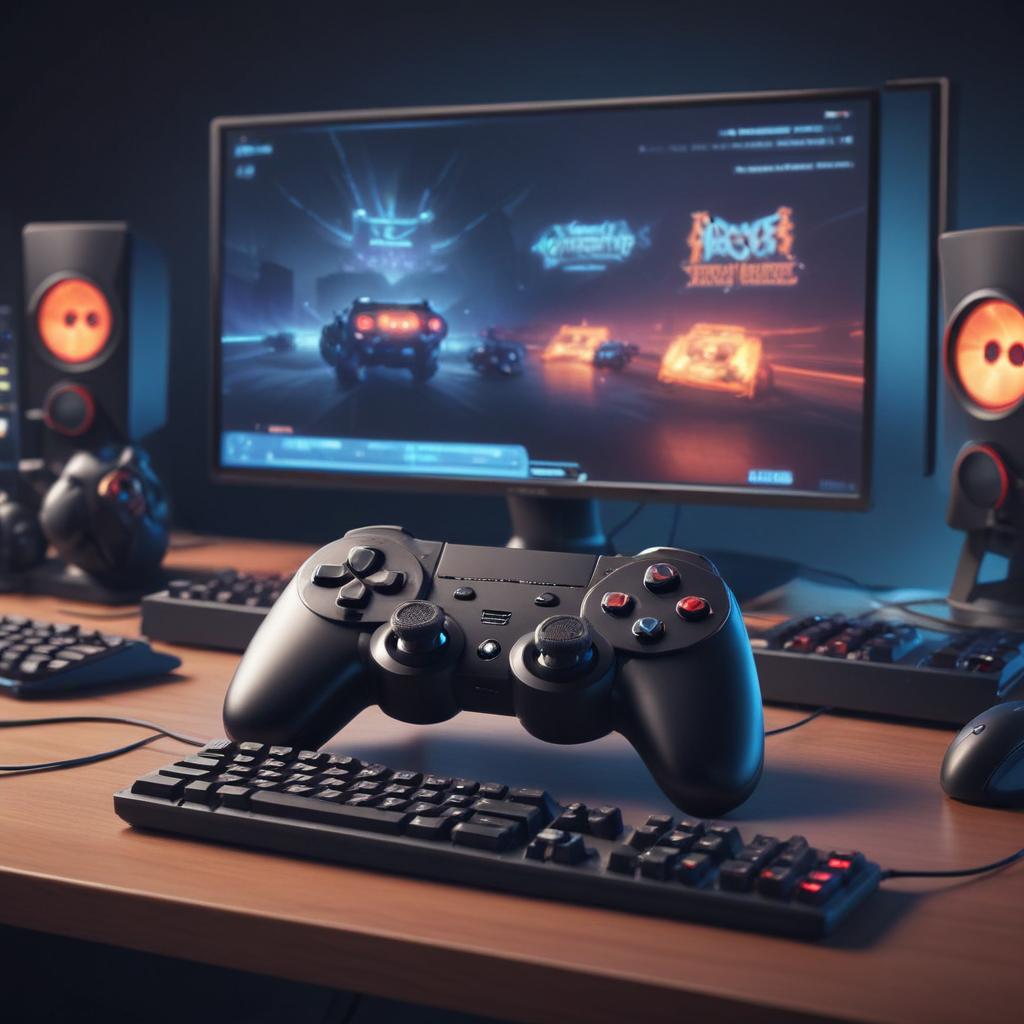
Essential Features of a User-Friendly Gaming Interface
An effectively crafted user-friendly interface is vital for creating an engaging and fluid gaming experience. The arrangement and functionality of the interface significantly impact whether gamers feel immersed in the adventure or put off by awkward interactions. Key features such as fluid navigation routes and agile controls enhance participation, enabling players to concentrate fully on the game without distractions or technical issues.
[[L0]] promotes seamless gameplay by allowing players to navigate menus, modify settings, and utilize in-game tools with ease. A well-designed interface employs intuitive visuals, familiar icons, and a tidy design to enhance navigation, enabling players to progress through the game with little effort. When important features are logically organized and displayed in a consistent manner, users spend less time figuring out controls and more time engaging with the game. For example, consistent icon positioning and grouping similar options establish familiar structures, helping players find crucial tools more quickly and minimizing cognitive strain.
Smooth responsiveness is equally vital as it influences how gamers interact with and appreciate the experience. Controls that react provides nearly immediate feedback, aligning input accuracy to improve fluidity and immersion. Any delays or unresponsive controls can quickly diminish the enjoyment of even the most stunning games, causing players to lose interest. An effectively designed interface adjusts to different configurations—keyboard/mouse, touch, or controller—ensuring that every user retains complete control, regardless of their device.
An engaging gaming experience encompasses more than just movement and controls—it emphasizes accessibility, customizable settings, and a sleek design to cater to all gamers. Accessibility allows players makes it possible for everyone to tailor their gameplay for optimal comfort and involvement. Gamers can adjust challenges, graphics, and controls according to their liking, enhancing immersion and satisfaction. Minimalistic designs avoid irrelevant distractions, refining the interface to highlight essential features while maintaining a refined and tidy appearance.
An intuitive, player-focused design combines smooth navigation, flexible controls, and refined gameplay features to create an experience that is both captivating and accessible. When developers prioritize these core aspects, they create interfaces that are not only aesthetically pleasing but also operate seamlessly, ensuring players remain highly engaged with their [[L0]] of choice.
Intuitive Navigation and Layout
[[L0]] emphasizes seamless navigation and a thoughtfully arranged layout, allowing users to traverse the platform effortlessly. When each click serves a clear purpose and the interface directs them intuitively, user engagement increases while frustration decreases. Clear menus and well-organized areas enable users to quickly identify key tools and sections, minimizing time wasted and maintaining their focus on what is most important.
[[L0]] skillfully organized interfaces facilitate seamless navigation by grouping related elements and maintaining visual harmony. This intentional layout naturally guides focus throughout different areas, promoting effortless exploration while avoiding information overload. Careful design highlights important aspects—emphasizing clarity and functionality—ensuring that vital features are prominent without compromising visual unity.
[[L0]] provides effortless navigation by combining user-friendly menus with a sleek, structured layout, allowing players to quickly locate games, settings, or support in just seconds. This efficient method minimizes wait times and enhances user engagement. A responsive design that aligns with natural user flows adapts seamlessly across all devices—desktop, tablet, or mobile—ensuring consistent performance and accessibility no matter where players are.
intuitive navigation and layout design is crucial for maintaining player engagement and satisfaction. When users have access to effortlessly find what user-friendly navigation features, they gain more freedom and form a deeper connection with the platform—key factors that foster enduring loyalty and prompt regular visits. Prioritizing these aspects creates an inviting, efficient experience that players are likely to return to repeatedly.
Responsive Controls and Feedback
Maintaining smooth responsiveness in user-friendly gaming interface is crucial for keeping players satisfied. Any lag or errors in control inputs can interrupt the flow of gameplay, causing interactions to feel awkward and unrefined. A finely calibrated system allows players to stay engaged by responding immediately to their actions, whereas inadequate responsiveness can lead to frustration, diminishing involvement and degrading the overall experience.
Players depend on prompt feedback to enhance immersion, and its significance is as essential as the fundamental gameplay. Whether via [[L0]] visual indicators, [[L1]] audio effects, or [[L2]] physical sensations, feedback confirms that actions have been acknowledged and processed. This affirmation strengthens player autonomy, illustrating how choices influence the experience and maintaining their engagement with the game’s mechanics. Neglecting or confusing this feedback may lead to players feeling disoriented, doubting their control, or disconnecting from the virtual environment altogether.
Developers who integrate responsive controls with immediate, intuitive feedback deliver more fluid and captivating experiences for gamers. By addressing challenges such as missed inputs or unclear results, they reduce frustration and improve overall usability. Prioritizing responsive mechanics and transparent feedback not only enhances playability but also deepens immersion, ensuring players remain engaged and eager to return.
Visual and Audio Elements That Enhance Usability
[[L0]] is crucial in crafting interfaces that players love by merging sleek visuals with strategic auditory cues. An organized layout helps players find important tools and information quickly, reducing frustration and cognitive load. Careful use of typography, clear icons, and a cohesive color palette directs focus seamlessly, enhancing clarity. When done right, these design elements facilitate interaction, making navigation feel natural and simple.
Visual design goes beyond mere aesthetics; it significantly influences user interaction with an interface. For example, [[L0]] consistent and visually unique button designs enable players to quickly identify interactive features. Careful typography guarantees that text stays readable, which is essential in fast-paced gameplay where quick decisions are crucial. An effectively designed responsive layout allows visuals to adapt smoothly across different devices, from [[L1]] desktops to [[L2]] mobile screens, providing a cohesive experience. When these components come together, they form a refined, user-friendly system that fosters trust and maintains user engagement.
Sound cues are essential for enhancing user interaction in conjunction with effective visual design. By providing prompt auditory feedback, interfaces facilitate smooth, intuitive experiences that react immediately to user actions. For instance, a strategically timed sound effect can acknowledge a [[L0]] tap, alert users about incoming [[L1]] messages, or indicate critical [[L2]] events. This type of subtle auditory direction reduces errors and accelerates responses, ultimately improving the interface’s overall efficiency and sophistication.
Well-designed audio signals elevate gameplay to an immersive experience by appealing to multiple senses, deepening player engagement. Rather than jarring or repetitive sounds, thoughtfully engineered sound environments enhance concentration and gently amplify the emotional impact of the gameplay. When combined with visuals, these signals serve as unobtrusive navigators, maintaining focus and streamlining interactions—making the interface appear smooth and instinctively easy to use, which boosts overall enjoyment.
[[L0]] effortlessly combines sleek visual design with carefully calibrated sound elements to create an interface that is both welcoming and easy to navigate. By harmonizing sharp visuals with significant auditory cues, designers enhance the overall experience, making it more engaging and accessible for players. This multifaceted approach boosts usability by integrating visual and auditory elements, resulting in a vibrant interface that naturally directs interactions and enhances player satisfaction.
Clear Visual Hierarchy and Aesthetics
An effective user interface is significantly influenced by a clear visual hierarchy and attractive design, which together foster an engaging and intuitive gaming experience. Visual hierarchy directs players’ focus by highlighting the crucial information upfront, enabling them to swiftly recognize essential components like scores, objectives, or action buttons. This organization minimizes cognitive strain and assists players in navigating the game interface with ease, allowing them to concentrate on gameplay instead of interpreting chaotic screens.
[[L0]] delivers a smooth and captivating experience by emphasizing refined visual aesthetics that appeal to gamers. An organized, user-friendly interface minimizes mental strain, enabling players to concentrate on the game instead of navigating through chaotic designs. Careful consideration of contrast, legibility, and spacing enhances usability, making essential information easily reachable even in high-stress situations. By synchronizing visual indicators with the game’s [[L0]], the design cultivates a stronger bond and minimizes obstacles, ensuring players remain engaged and content.
[[L0]] carefully combines an instinctive visual framework with refined design to enhance both user experience and emotional impact in gaming. An effectively structured interface that provides clarity and visual attractiveness allows players to move through the game with ease while becoming fully immersed in the experience. This harmonious integration of function and beauty promotes greater involvement, making the game more user-friendly and fulfilling for all, no matter their skill level.
Effective Audio Feedback and Sound Design
[[L0]] improves immersion and user experience in interactive environments by merging discreet audio signals with user-friendly design. Careful sound integration—such as affirming [[L1]] actions or highlighting [[L2]] achievements—smoothly directs players during gameplay, supporting their actions while maintaining immersion. These sound cues serve as unobtrusive guides, making sure essential feedback is delivered seamlessly, precisely when it is most needed.
[[L0]] improves the gaming experience by delivering instant sound cues that clarify user actions, resulting in a more intuitive interface. Distinct audio signals—be it for [[L1]] achievements, notifications, or errors—allow players to quickly understand system feedback, reducing confusion and frustration. This immediate engagement enhances the game’s sophistication and accessibility, promoting deeper player involvement and contentment.
Sound design enhances user involvement by creating rich auditory experiences that strengthen the bond with the game universe. By utilizing layered soundtracks, atmospheric elements, and [[L0]] character interactions, it heightens emotional impact, drawing players further into the story and gameplay dynamics. Careful audio integration guarantees a smooth connection with visual narratives, offering a unified, captivating interface that feels both natural and enchanting.
[[L0]] carefully incorporates audio feedback and sound design to improve interface usability by providing clear cues that direct user actions, while also deepening engagement through multi-dimensional auditory experiences. When implemented effectively, these features turn interfaces into intuitive, satisfying experiences that players [[L1]] regularly prefer and [[L2]] for their smooth interaction and emotional impact.
Customization and Accessibility Options
In the current gaming environment, offering strong customization and accessibility options is crucial for developing user-friendly interfaces that genuinely connect with players. Customization allows gamers to adjust their experience based on personal preferences, improving comfort and involvement. When players can modify interface components—like layout, color schemes, font sizes, and control setups—they can design a space that feels distinctly their own, which greatly enhances satisfaction and usability.
[[L0]] playability greatly improves when developers focus on accessibility, removing obstacles to reach a broader audience. By integrating features like [[L0]] text-to-speech, customizable color options, adaptable captions, and diverse control methods, they guarantee that everyone—no matter their physical or sensory challenges—can fully immerse themselves in the experience. These modifications benefit not only players with disabilities but also those facing temporary issues, such as gaming in low light or adjusting to various hardware configurations, enhancing the game’s adaptability for everyone.
[[L0]] is essential for creating a more captivating and inclusive gaming environment by catering to the unique preferences and needs of each player. A customized interface enhances usability and encourages deeper engagement, as players establish a stronger bond with the game when it aligns with their tastes. By prioritizing these aspects, developers can cultivate increased player loyalty and satisfaction, turning the interface into a flexible platform that showcases individual style and comfort instead of adhering to a strict, one-size-fits-all model.
Game developers have the opportunity to enhance personalization and accessibility by engaging with players to identify diverse needs and thoroughly testing features among various user demographics. By offering an extensive yet intuitive settings panel—where modifications are easily reachable—players can customize their experience according to their preferences without facing unnecessary hurdles. Carefully crafted and well-structured menus for these controls reflect a committed emphasis on [[L0]] and contribute to a more immersive, enjoyable experience for all.
[[L0]] enables interfaces to transform from fixed designs into dynamic ecosystems that align with the unique preferences and needs of each player. By emphasizing flexibility and user-friendliness, this approach broadens accessibility and enhances involvement, creating a more engaging and inclusive gaming experience for everyone involved.
Personalization Settings for Enhanced Comfort
| Personalization Feature | Description | Benefits for Interface Comfort |
|---|---|---|
| Theme Changes | Allows players to switch between different visual themes, including light, dark, and custom color palettes. | Reduces eye strain and adapts the interface’s appearance to match player preferences or ambient lighting conditions, enhancing overall comfort. |
| Control Remapping | Enables users to customize key bindings and controller layouts to better suit their play style and ergonomic needs. | Improves accessibility and reduces fatigue by tailoring controls to individual habits and physical comfort, making gameplay more intuitive. |
| Adjustable HUDs (Heads-Up Displays) | Provides options to reposition, resize, or toggle specific HUD elements such as health bars, maps, and notifications. | Allows players to declutter the screen and highlight vital information in preferred locations, greatly enhancing interface usability and comfort during extended sessions. |
Accessibility Features for Inclusive Gaming
Today’s gamers emphasize accessibility to create an experience that is seamless and inviting for all. By incorporating cutting-edge tools and considerate features, developers are advancing toward a future in which gaming is accessible to everyone. These improvements demonstrate a dedication to inclusive design, making sure that [[L0]] players—no matter their abilities or backgrounds—can fully participate in the game.
[[L0]] transforms the way gamers engage with their games by converting visual components and interface features into clear, natural audio. This innovative technology guarantees that users who rely on auditory cues can navigate all facets of gameplay effortlessly. By fully integrating screen readers, developers create a more enriching and inclusive experience for players who depend on sound over sight.
Promoting inclusivity in game design, adjustments for colorblind players are essential as they enhance visual contrast. By altering color schemes to emphasize differences between [[L0]] or [[L1]], these modifications enable players with color vision difficulties to quickly recognize important features such as [[L2]], [[L3]], and [[L4]]. This leads to a more seamless and engaging experience that upholds both usability and accessibility.
[[L0]] further promotes gaming inclusivity through a variety of adaptable input options. Individuals with physical challenges gain from customizable controls, voice recognition features, and compatibility with assistive technologies, leading to more seamless gameplay. By accommodating different control preferences, the platform creates a more inclusive and inviting environment for every player.
Creating gaming experiences that are inviting for everyone involves integrating accessibility features that prioritize inclusivity. By utilizing resources such as [[L0]], [[L1]], and [[L2]], developers can turn accessibility from a concept into a practical, daily experience for gamers.

I’ve spent the last decade dissecting everything from classic slot volatility to the latest crash game mechanics, driven by a genuine fascination with how RNG and math drive entertainment. Whether I’m tracking tournament meta-changes or hunting for hidden features in new mini-games, my goal is to share honest insights that help players understand the games they love.