

Understanding the Basics of In-Game Reward Systems
Reward systems are carefully designed mechanisms built into video games that offer players benefits for finishing certain tasks, reaching objectives, or simply for regular engagement. These benefits can manifest in different ways, such as in-game currency, new gear, character enhancements, badges, or entry to exclusive content. At their core, these systems play a crucial role in game psychology, designed to enhance player engagement by appealing to basic human needs for accomplishment, acknowledgment, and advancement.
Game psychology studies explore how players think, feel, and behave while playing. A crucial element of this is understanding player motivation—identifying what keeps gamers engaged and what compels them to dedicate time and energy. The rewards within games act as powerful motivational tools to sustain a player’s engagement and advancement. These motivators create defined goals and enhance a feeling of achievement that strengthens both intrinsic and extrinsic motivation for players.
Reward systems often employ positive reinforcement to encourage desirable behaviors. When a player completes a difficult level or achieves an important milestone, receiving a reward triggers the release of dopamine, a chemical associated with pleasure and satisfaction. This response motivates players to repeat the actions that led to these rewards, fostering continued engagement. Furthermore, in-game rewards help to align challenge with reward, ensuring that players view the game as neither too easy nor too hard.
A key function of in-game rewards is to create a feedback loop. Players perform specific actions, receive rewards, and then use these rewards to unlock more content or enhance their skills, which encourages continued involvement. This continuous cycle keeps players engaged while also enhancing the gaming experience by making progress feel tangible and satisfying. Well-crafted reward systems synchronize player motivations with game objectives, fostering exploration, skill development, and strategic choices.
In conclusion, reward systems in games are vital components that leverage game psychology to boost player motivation. By providing significant and consistent rewards, these systems maintain player engagement, foster a sense of achievement, and are key to the game’s enduring success. Understanding how these reward systems function provides valuable insights into why players keep coming back why players return to their favorite games time and again.
Types of Rewards in Games
In gaming, reward systems come in various forms, each designed to engage players and enhancing the overall enjoyment of the game. One common form of reward is points, which provide an easy way to monitor progress or achievements. Points deliver immediate feedback, encouraging players to remain involved by showing a numerical representation of their success.
Badges and achievement systems are a popular method of rewarding players. These visual markers recognize specific accomplishments, motivating individuals to tackle challenges and hit milestones throughout the game. The satisfaction gained from earning a badge or reaching a new milestone resonates with the player’s natural desire for mastery and acknowledgment.
Loot boxes provide a more dynamic and often unpredictable way to receive rewards, typically containing random virtual items like skins, gear, or currency. The excitement of anticipation and the possibility of acquiring rare items can significantly influence player behavior, encouraging repeated gameplay and increased involvement.
In the end, unlockable features such as additional levels, characters, or narrative components provide a persistent incentive. Gaining entry to this content offers players a sense of progression and discovery, keeping them invested in the game for extended periods. Collectively, these various types of rewards—points, badges, loot boxes, and unlockable features—merge to create a captivating achievement system that enhances player motivation through both external and internal factors.
How Reward Systems Influence Player Engagement
Reward systems play a crucial role in enhancing player engagement through the use of core principles of reward psychology. When players receive in-game rewards, it triggers a sense of accomplishment and fulfillment, encouraging them to continue playing. This positive reinforcement creates a feedback loop that inspires players to invest more time and effort, resulting in improved game retention. The anticipation of rewards activates the brain’s dopamine pathways, linked to pleasure and motivation, thereby increasing the overall enjoyment and attraction of the gaming experience.
Moreover, thoughtfully designed rewards resonate with both intrinsic and extrinsic motivators. Intrinsic motivation arises when players feel a sense of skill and challenge, while extrinsic motivation comes from tangible rewards such as items, points, or recognition. Striking a balance allows games to cater to diverse player preferences, ensuring sustained engagement across various player types. This psychological interaction strengthens the emotional connection between the player and the game, increasing the likelihood of ongoing commitment.
An essential component is the variable-ratio reinforcement schedule, which delivers rewards at unpredictable intervals while making sure they happen frequently enough to keep players engaged. Based on principles from behavioral psychology, this approach greatly enhances player involvement by generating excitement and intrigue. When paired with prompt feedback and advancement systems, these reward techniques help maintain motivation and prompt players to come back regularly, improving overall game retention.
Ultimately, grasping the psychology behind reward systems is crucial for crafting engaging interactive entertainment. By applying principles from reward psychology and motivation theory, developers can create experiences that not only capture the audience’s attention but also encourage sustained participation and a deeper appreciation of gameplay.
Psychological Theories Behind Reward Systems in Gaming
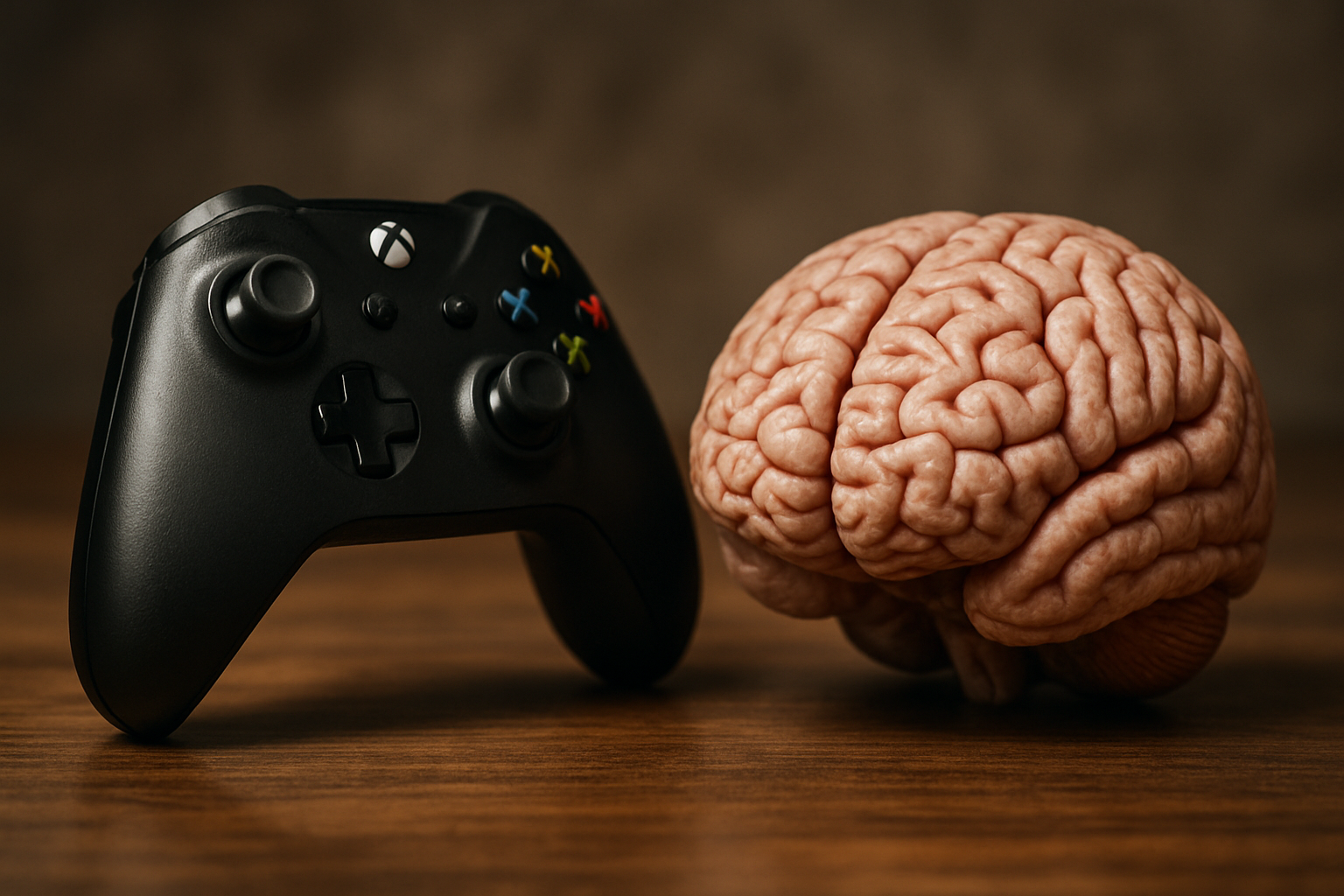
Grasping the psychological elements of in-game reward systems involves exploring essential theories like operant conditioning and the impact of dopamine on behavior. These ideas shed light on what motivates players to return to games consistently and how rewards shape their decisions, including those found at [[L0]].
Operant conditioning, a concept rooted in behavioral psychology, is essential for developing reward systems in games. It involves using reinforcement to increase the likelihood of a behavior being repeated. In the context of gaming, this means providing players with rewards—such as points, loot, or achievements—immediately after they complete specific tasks or challenges. Positive reinforcement encourages players to continue participating in the desired behaviors, as they associate these actions with pleasurable outcomes.
These reward mechanisms often show a level of unpredictability or variation, known as variable ratio reinforcement, which has been shown to be highly effective in maintaining player interest. This unpredictability enhances player drive by creating a sense of excitement and anticipation, akin to the elements found in gambling. As a result, behavioral psychology informs game designers in structuring rewards to promote sustained player participation.
An important factor that affects players’ responses to rewards is the role of dopamine, a neurotransmitter linked to enjoyment and motivation. When players receive rewards, particularly unexpected ones, their brains release dopamine, reinforcing the behaviors that led to the reward. This dopamine release creates feelings of happiness and satisfaction, motivating players to seek out similar experiences repeatedly.
Dopamine is not just about pleasure; it is crucial in forming habit loops, where the anticipation of future rewards acts as a powerful motivator. This neurochemical response amplifies the psychological impact of operant conditioning by adding an emotional dimension to gaming. Consequently, understanding the relationship between dopamine and reward systems clarifies why certain games can become highly addictive.
In summary, integrating psychological principles such as operant conditioning and dopamine release into game reward systems provides valuable insights into player motivation and behavior. By applying these concepts, game developers can create engaging and immersive experiences that keep players invested, fostering long-term involvement through carefully designed behavioral rewards.
Operant Conditioning and Reward Schedules
Operant conditioning serves as a fundamental concept in gaming psychology, illustrating how players’ actions are influenced and reinforced through rewards. In the context of in-game reward mechanisms, operant conditioning utilizes reward schedules to encourage specific behaviors by providing feedback and incentives. These reward schedules are generally categorized into fixed and variable types, both of which play a crucial role in reinforcing behavior and sustaining player engagement.
Fixed reward systems provide reliable reinforcement, enabling players to receive rewards after a set number of actions or at consistent time intervals. This arrangement builds excitement and helps players develop habits, as they can foresee when a reward will be granted. For example, delivering loot after every tenth enemy defeated creates a fixed ratio schedule that motivates players to reach particular objectives. While this approach is successful, fixed schedules may ultimately lead to habituation, causing players to lose interest when the reward pattern becomes too predictable.
Variable reward systems, on the other hand, deliver rewards in an erratic fashion, either after different lengths of time or through varying amounts of actions. This element of surprise enhances the power of intermittent reinforcement, which has been proven to strengthen and prolong behavior reinforcement. The excitement of not knowing when the next reward will come keeps players engaged for longer periods. Frequent examples in gaming include loot boxes or random drops, which take advantage of the thrill of chance and unpredictability, promoting continuous play and dedication.
By incorporating operant conditioning and carefully designed reward schedules, game developers leverage human psychology to create captivating experiences. Both fixed and variable schedules serve unique functions in reinforcing behavior, promoting sustained interest and repeated play. Understanding this connection allows for the development of more impactful in-game reward systems that motivate players, enhance enjoyment, and elevate engagement within the gaming environment.
The Role of Dopamine in Reward Processing
Dopamine acts as a crucial neurotransmitter that greatly affects how gamers view rewards during their gaming experience. When a player achieves a goal, receives a reward, or completes a task, the brain produces dopamine, triggering the pleasure response. This chemical reaction not only generates feelings of joy but also reinforces behaviors by signaling that the experience was satisfying. As a result, players often repeat these actions to experience that pleasurable sensation again.
Alongside creating pleasure, dopamine also drives anticipation. This neurotransmitter is activated not only upon receiving a reward but also in the moments prior, boosting concentration and motivation. This feeling of anticipation is what makes progressing to higher levels, obtaining unique items, or reaching high scores so appealing. The brain’s reward system associates these outcomes with enjoyable sensations, encouraging continuous engagement and dedication in the game.
However, because of the powerful effects of dopamine, it can also contribute to addiction. The cycle of chasing rewards and experiencing pleasure fueled by dopamine can lead to repetitive behaviors as gamers seek the exhilarating highs provided by in-game rewards. Game developers often deliberately take advantage of this mechanism, creating reward systems that enhance dopamine release to keep players engaged and invested for longer periods.
Understanding the role of dopamine in the brain’s reward system sheds light on the power of in-game rewards. By utilizing the natural properties of neurotransmitters and the pleasure response, game developers create captivating experiences that are both enjoyable and highly motivating.
Designing Effective Reward Systems for Player Satisfaction

Creating an effective reward system is essential for enhancing player satisfaction and ensuring ongoing engagement in any game. A well-crafted reward structure does more than just hand out prizes; it intricately incorporates game mechanics that motivate players and foster long-term commitment. Striking the right balance in rewards is important to ensure players feel valued consistently while still maintaining the challenge and the sense of achievement.
Creating a fair reward system requires developers to grasp what drives their audience. Gamers react to incentives in various ways; some are driven by concrete accomplishments like obtaining new gear or progressing in levels, while others desire acknowledgment from the community or improvements in the storyline. By incorporating a variety of rewards that address different player interests, overall user satisfaction and loyalty can be improved.
Another crucial best practice is to allocate rewards thoughtfully throughout the gaming experience. Early rewards should be plentiful and easily accessible to foster a sense of accomplishment, encouraging players to continue their journey. However, as players advance, the difficulty of rewards should rise to maintain the challenge and prevent monotony. This approach to reward balancing guarantees that gameplay stays captivating and satisfying.
Reward systems should complement the core game mechanics rather than overshadow them. Rewards that enhance or uncover new mechanics can create a robust feeling of progression, boosting player engagement. Conversely, rewards that appear disconnected from gameplay can reduce player involvement and break immersion.
Transparency and fairness in reward systems are equally important. Players are more satisfied when they understand how to earn rewards and believe that the system is free from bias or pay-to-win elements. Clear communication and consistent rules about reward distribution build player trust and foster loyalty.
In the end, incorporating player feedback into the ongoing improvement of reward design is crucial for maintaining its relevance and balance. Game developers should utilize analytics together with community feedback to monitor how rewards are received and implement needed changes to avoid fatigue or imbalance. This continual process ensures that the reward system consistently fosters player satisfaction over time.
In summary, developing effective reward systems requires a well-planned approach that integrates multiple motivations, appropriately modifies difficulty levels, refines game mechanics, and prioritizes transparency and fairness. By focusing on achieving reward equilibrium and continuous enhancement, developers can design experiences that consistently satisfy players and maintain their engagement over time.
Balancing Reward Frequency and Value
An essential aspect of game balance involves carefully calibrating the frequency and worth of rewards to maintain player motivation throughout their gaming journey. If rewards are distributed too frequently but lack importance, it can diminish enthusiasm, resulting in a monotonous gameplay experience that may disengage players. Conversely, when rewards are infrequent yet highly valuable, players could feel overwhelmed or disheartened if the required effort seems too great or if rewards are too scarce. Finding the right equilibrium is crucial to keep players invested without causing fatigue or apathy.
Effective reward systems leverage the timing of incentives to foster a steady stream of achievements, encouraging sustained involvement. By providing small but meaningful rewards regularly, players receive constant validation of their progress, enhancing their intrinsic motivation to keep playing. Furthermore, the inclusion of occasional larger rewards adds a layer of achievement and excitement, giving players milestone goals to aim for.
Finding this balance requires an understanding of player actions and tailoring rewards based on player profiles, game pace, and the desired emotional response. Carefully adjusted reward frequency and value are essential to a game’s overall equilibrium, ensuring players remain engaged without feeling overwhelmed or detached. Ultimately, a well-designed reward system is crucial for sustaining player interest and enhancing the overall gaming experience.
Incorporating Player Feedback into Reward Systems
In modern game development, incorporating player feedback is essential for creating reward systems that resonate with users. By actively gathering and analyzing player data, developers gain valuable insights into how users engage with rewards and what motivates their continued participation. This data-driven strategy enables continuous improvement of reward systems, ensuring they remain appealing and relevant over time.
Input from players, collected through surveys, in-game analytics, or community conversations, serves as a definitive sign of the user experience. By understanding what players enjoy and the obstacles they face, game developers can tailor rewards to match different player incentives, such as competition, exploration, or social interaction. This degree of customization not only enhances satisfaction but also fosters a deeper emotional connection between the player and the game.
Furthermore, integrating player feedback into the development process allows for rapid adjustments and improvements to reward systems. Instead of relying solely on initial design assumptions, developers can respond to real player behaviors, refining the frequency, value, and variety of rewards to enhance engagement. This flexibility leads to a more captivating and fulfilling experience, encouraging players to invest more time and effort into the game.
Ultimately, leveraging player feedback proves to be a powerful strategy for refining rewards. By prioritizing user experience and employing data-informed insights, game development teams can enhance reward systems that not only motivate players but also foster enduring loyalty and satisfaction.

I’ve spent the last decade dissecting everything from classic slot volatility to the latest crash game mechanics, driven by a genuine fascination with how RNG and math drive entertainment. Whether I’m tracking tournament meta-changes or hunting for hidden features in new mini-games, my goal is to share honest insights that help players understand the games they love.