
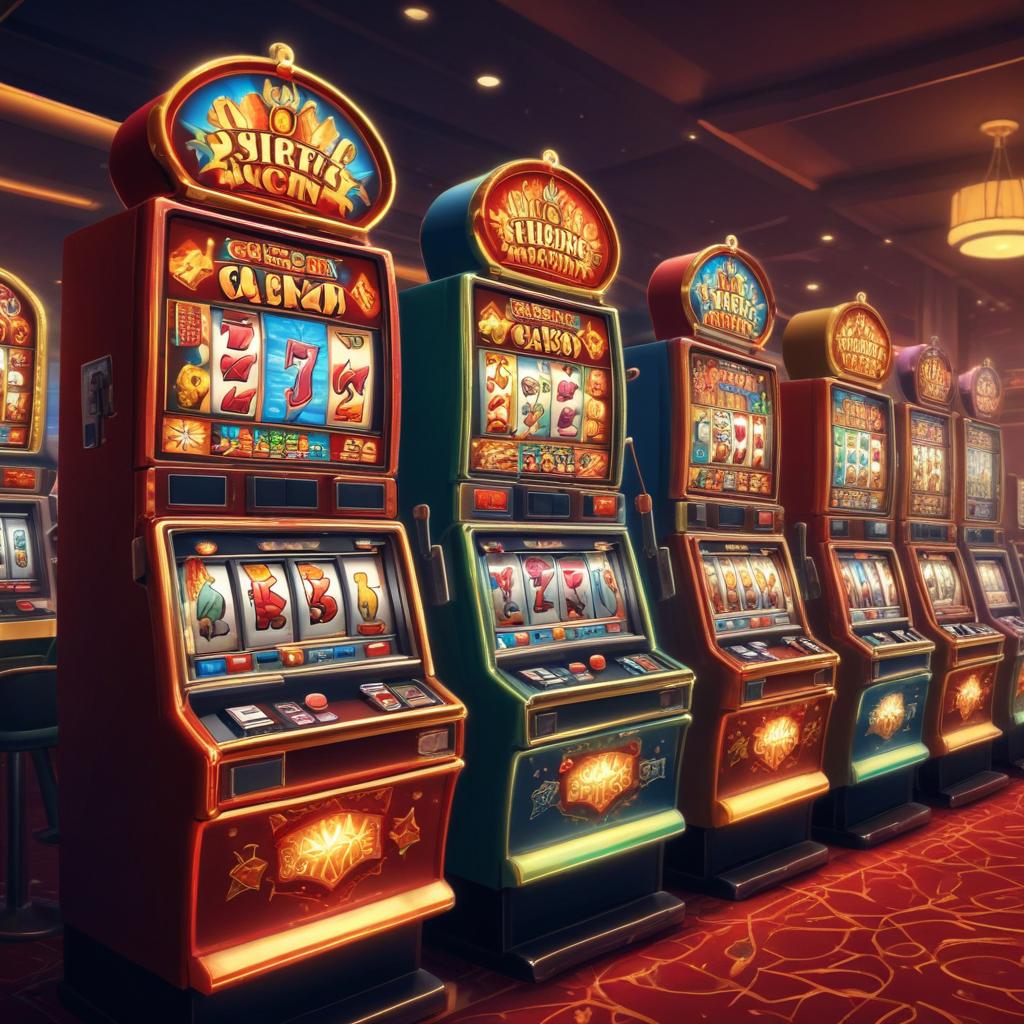
Understanding Reward Frequency
Reward frequency refers to how often a reward or reinforcement is delivered following a desired behavior. In motivation psychology, this concept plays a crucial role in understanding how behaviors are strengthened or weakened over time. The frequency with which rewards are given can significantly impact an individual’s motivation levels, shaping how persistent and consistent they are in pursuing goals or tasks.
In behavioral reinforcement theory, reward frequency is a key element that determines the effectiveness of reinforcement schedules. These schedules describe the timing and consistency of reward delivery and are divided primarily into fixed and variable types. Fixed schedules provide rewards at consistent intervals or after a set number of responses, while variable schedules deliver rewards unpredictably. The choice of schedule influences not only how quickly a behavior is learned but also how resilient it becomes to extinction.
High reward frequency often leads to rapid learning and strong motivation because the individual quickly associates their actions with positive outcomes. However, this can sometimes result in dependence on constant reinforcement, meaning motivation may decline if rewards are removed or become less frequent. On the other hand, lower or variable reward frequencies tend to foster more sustained motivation over time, as the unpredictability keeps interest and engagement higher.
The role of reward frequency in motivation psychology extends beyond simple behavior change. It informs how motivational systems in the brain respond to incentives, influencing dopamine release and the internal valuation of effort versus reward. By adjusting reward frequency, teachers, managers, and therapists can tailor motivational strategies to optimize behavioral outcomes – whether in education, workplace productivity, or therapeutic interventions.
Understanding reward frequency helps clarify why some motivational strategies fail or succeed, underlining its significance in both theoretical frameworks and practical applications in behavioral psychology. By carefully considering how often rewards are given, it is possible to design more effective reinforcement strategies that enhance long-term motivation and positive behavioral change.
Types of Reward Schedules
Reward schedules refer to the timing and frequency with which rewards are given to reinforce a behavior. There are several types of reward schedules, each influencing motivation differently. Fixed ratio schedules provide rewards after a set number of responses. For example, a reward might be given every fifth time a task is completed. This schedule tends to produce a high rate of response because the reward is predictable and contingent on a specific number of actions.
Variable ratio schedules, on the other hand, deliver rewards after an unpredictable number of responses. This keeps the individual engaged because the reward could come at any time, maintaining high motivation. Slot machines are a classic example, offering rewards on a variable ratio schedule, which is why players often keep trying, hoping the next attempt will bring a payout.
Interval schedules focus on the passage of time rather than the number of responses. Fixed interval schedules provide rewards after a fixed amount of time has passed, such as receiving a reward every 10 minutes if the desired behavior is exhibited. Variable interval schedules reward based on varying periods of time, making rewards less predictable and encouraging steady behavior over time. Each of these schedules impacts motivation and behavior patterns uniquely, making it crucial to choose the right type for the desired outcome.
Psychological Mechanisms Behind Reward Frequency
Frequent rewards play a crucial role in shaping brain chemistry, particularly through the release of dopamine, a neurotransmitter closely linked to motivation and pleasure. When an individual receives a reward repeatedly, dopamine release is triggered more consistently, reinforcing behavior and creating strong motivation triggers that encourage the repetition of that behavior. This reinforcement process is fundamental in understanding how motivation is sustained over time.
From a psychological perspective, frequent rewards act as positive reinforcement, strengthening the neural pathways associated with the rewarded behavior. This enhances the likelihood that the behavior will be repeated, as the brain anticipates the positive outcome. The anticipation of frequent rewards itself can stimulate dopamine release, which not only heightens motivation but also sharpens focus and drives goal-directed behavior.
Moreover, the timing and frequency of rewards can influence the intensity of motivation. Frequent and predictable rewards lead to more reliable dopamine surges, solidifying the link between the behavior and its positive outcome. This makes the behavior more resilient to disruption and significantly enhances overall motivation levels. Conversely, infrequent rewards may result in weaker reinforcement and reduced motivational effects.
In summary, understanding the psychological mechanisms behind reward frequency reveals how regular dopamine release reinforces behavior and sustains motivation. These mechanisms exemplify the powerful interplay between brain chemistry and behavioral psychology in driving human motivation.
Impact of Reward Frequency on Motivation
The motivation impact of reward frequency is a crucial factor in understanding how reward timing influences motivation levels and overall task performance over time. Different frequencies of rewards can uniquely shape the way individuals respond to incentives, which in turn affects their motivation and the quality of their work.
When rewards are given too frequently, the initial excitement and motivational boost may diminish as individuals come to expect the reward as a standard outcome rather than an incentive. This can lead to a decrease in motivation levels because the reward loses its power to stimulate effort and achievement. In some cases, overly frequent rewards might even reduce intrinsic motivation, as the focus shifts from the task itself to merely obtaining the reward.
Conversely, when rewards are too infrequent, the motivation impact may also suffer. The lack of regular recognition or reinforcement can cause motivation levels to drop over time, as individuals may feel their efforts are not acknowledged promptly or sufficiently. This delay in reward timing can create a disconnect between performance and reward, weakening the link that motivates continued effort and high-quality outcomes.
Optimal reward frequency strikes a balance, where rewards are delivered enough to maintain high motivation levels but not so often that they become expected or lose significance. This balanced approach helps sustain motivation over time, driving consistent performance and dedication to tasks. Reward timing that aligns closely with performance milestones can enhance this effect by creating clear connections between effort and reward, encouraging individuals to maintain or even elevate their performance.
Research suggests that tailored reward frequencies, suited to the nature of the task and the individual’s preferences, can maximize the motivation impact. For instance, complex or long-term tasks may benefit from spaced-out rewards that commemorate significant achievements, while simpler or repetitive tasks might require more frequent incentives to maintain engagement.
In conclusion, understanding the impact of reward frequency on motivation and performance is essential for designing effective incentive systems. By carefully adjusting reward timing to maintain motivation levels and encourage superior performance, organizations and individuals can achieve better, more sustainable results over time.
Short-Term vs Long-Term Motivation Effects
The frequency of rewards plays a critical role in balancing short-term motivation with long-term motivation. Frequent rewards are powerful in driving immediate engagement, as they provide consistent reinforcement that keeps individuals motivated to continue a task. This short-term motivation often spikes quickly due to the anticipation and receipt of rewards, which can boost productivity and participation. For example, daily incentives or instant feedback create a cycle of immediate gratification that sustains effort in the near term.
However, relying too heavily on frequent rewards can undermine long-term motivation and reduce reward sustainability. When rewards are too frequent, they may lose their impact, leading to diminished enthusiasm over time. People may become dependent on external incentives rather than cultivating intrinsic motivation, which is essential for sustained engagement. Long-term motivation requires a carefully calibrated approach where rewards are spaced to maintain their value and encourage perseverance beyond immediate gratification.
To maximize both short-term and long-term motivation, it is important to design reward systems that provide an initial burst of frequent reinforcement followed by less frequent, but more meaningful, rewards. This strategy ensures that motivation remains high in the short run while also promoting resilience and continuous effort, ensuring the sustainability of rewards and motivation over extended periods.
Balancing Reward Frequency for Optimal Results
Finding the optimal reward schedule is crucial for maintaining a healthy motivation balance. Too frequent rewards can lead to dependency, diminishing the intrinsic drive to achieve goals, while rewards that are too sparse may fail to sustain enthusiasm. The key to effective reward strategies lies in timing and consistency that encourage persistence without creating an expectation for constant reinforcement.
To maximize motivation without fostering dependency, start by assessing the individual or group’s responsiveness to rewards. Gradually adjust the frequency, keeping it just enough to celebrate progress and maintain momentum. Using variable intervals or a mix of short-term and long-term rewards can prevent predictability, keeping motivation engaged and dynamic. This approach supports sustained effort by emphasizing the value of achievement itself alongside external incentives.
Moreover, incorporating meaningful rewards that align with personal values or goals enhances motivation balance. When rewards feel purposeful rather than obligatory, individuals are less likely to rely solely on external stimuli and more likely to internalize their drive. Thus, a well-balanced reward frequency combined with thoughtful reward strategies creates an environment where motivation flourishes sustainably, leading to optimal results over time.
Applications and Practical Examples
Understanding the influence of reward frequency on motivation has led to its practical application in various areas such as the workplace, education, and gaming. In the professional environment, reward programs are designed with frequency in mind to maintain employee motivation and increase productivity. For example, rather than giving yearly bonuses, companies often implement more frequent incentives like monthly recognition or spot bonuses to sustain continuous engagement and motivate employees consistently.
In the realm of education, educators have embraced the concept of educational rewards to enhance student motivation and performance. Frequent, smaller rewards such as praise, stickers, or points for participation and homework completion encourage students to remain motivated over longer periods. This approach is particularly effective in fostering habits that lead to better learning outcomes, as the steady reinforcement helps keep students engaged rather than waiting for infrequent, high-stakes assessments.
The gaming industry provides a vivid example of how reward frequency drives motivation at a high level. Frequent gaming rewards—such as daily login bonuses, achievement unlocks, and frequent level-ups—keep players engaged and invested in the game. These rewards create a loop of continuous motivation, encouraging players to return often and maintain their gaming activity. The effective use of reward frequency in these digital experiences has proven key to both user satisfaction and commercial success.
Across these contexts, the strategic application of reward frequency tailors incentives in a way that aligns with the natural motivational cycles of individuals. Companies design reward programs with varying intervals to sustain employee enthusiasm. Educators implement educational rewards that act as consistent positive reinforcement. Game developers create frequent gaming rewards that build addiction and investment in play. Collectively, these practical examples illustrate how the timing and regularity of rewards are critical levers in shaping motivation effectively.
Reward Frequency in Workplace Motivation
The frequency of employee incentives plays a crucial role in shaping motivation at work and overall productivity. When performance rewards are given too infrequently, employees may feel undervalued or disconnected from their achievements, leading to decreased enthusiasm and reduced effort. On the other hand, more frequent rewards can create a continuous cycle of positive reinforcement, keeping motivation levels high and encouraging consistent performance.
However, the optimal frequency of rewards varies depending on the nature of the task and the work environment. For routine tasks, small but frequent rewards can maintain steady motivation and reinforce good habits. In contrast, for more complex or long-term projects, less frequent but more substantial rewards might be more effective in sustaining engagement without diminishing the impact of the recognition.
Balancing the timing and type of employee incentives is essential for fostering a motivated workforce. Performance rewards that are timely and clearly linked to specific accomplishments can boost morale and productivity significantly. Employers should carefully design reward frequency strategies to align with their organizational goals, ensuring that employees remain motivated and committed to delivering their best work consistently.
Educational and Gamification Contexts
In educational settings, the frequency of rewards plays a crucial role in sustaining student motivation. Frequent rewards, such as immediate feedback or small incentives, can significantly enhance student engagement by reinforcing positive behaviors consistently. When students experience regular acknowledgment of their efforts, it creates an environment where they feel valued and motivated to continue learning. This approach is especially effective in maintaining attention and encouraging persistence in challenging tasks.
Similarly, gamified environments utilize game rewards strategically to boost motivation through well-timed incentives. Game rewards delivered with optimal frequency help maintain a balance between challenge and achievement, keeping players actively engaged without causing reward fatigue. Too frequent rewards may diminish their perceived value, while infrequent rewards can lead to frustration and reduced motivation. Gamification systems that tailor reward frequency to player progression tend to foster higher levels of sustained participation and enthusiasm.
Both educational and gamification contexts demonstrate that the timing and frequency of rewards directly impact the effectiveness of learning incentives. By understanding student motivation and integrating appropriately timed game rewards, educators and designers can create more dynamic and motivating experiences. Ultimately, carefully calibrated reward frequency supports the development of long-term engagement and enhances the overall learning journey.

I’ve spent the last decade dissecting everything from classic slot volatility to the latest crash game mechanics, driven by a genuine fascination with how RNG and math drive entertainment. Whether I’m tracking tournament meta-changes or hunting for hidden features in new mini-games, my goal is to share honest insights that help players understand the games they love.