
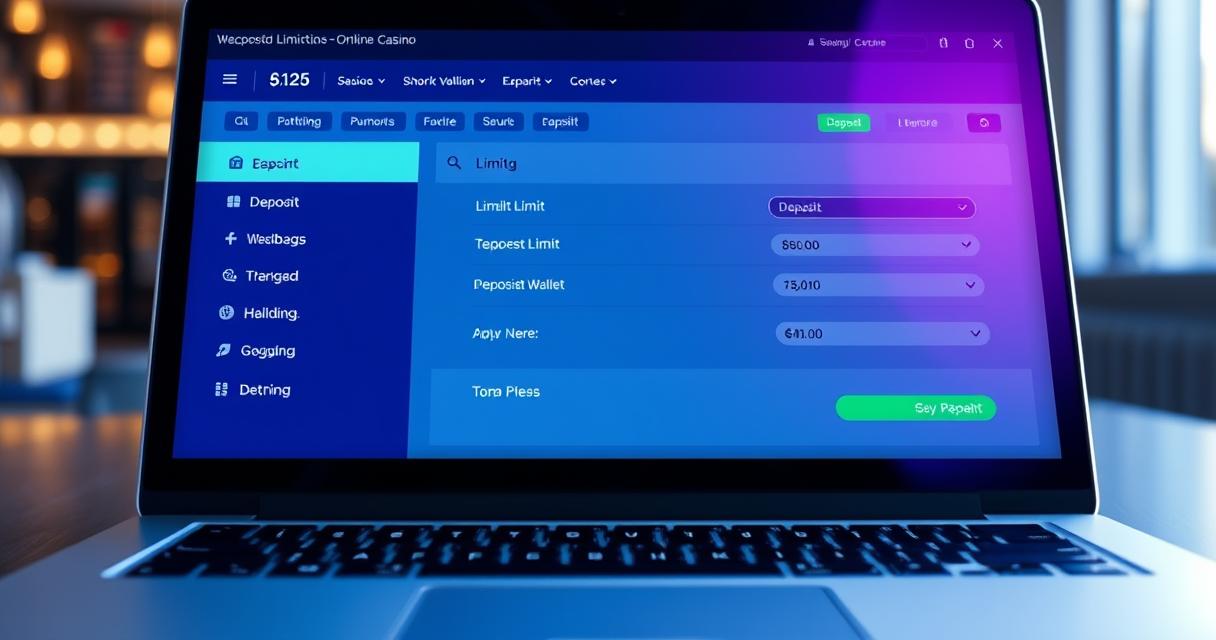
Online casinos and slot platforms thrive on excitement, but the thrill of spinning reels or placing tournament bets can sometimes blur the line between entertainment and habit. Responsible gambling tools and self-exclusion programs exist to keep that balance in check. These features are not just regulatory checkboxes; they are built into the gaming experience to help players manage their time, money, and emotions before a session turns into a problem. Whether you are a casual player trying out a new slot mechanic or a tournament regular chasing leaderboard positions, understanding these tools can make the difference between a fun night and an unintended spiral.
How Deposit Limits Work in Online Casinos
Deposit limits are the first line of defense for players who want to control their spending. Most licensed casinos allow you to set daily, weekly, or monthly caps on how much money you can transfer into your account. For example, if you decide to limit yourself to 5,000 KES per week, the system will block any attempt to deposit more once that threshold is reached. The limit applies to all payment methods, whether you use M-Pesa, bank transfer, or crypto. Some platforms even let you set separate limits for different games, so you can allocate 2,000 KES for slots and 3,000 KES for live dealer tables.
What many players overlook is that these limits are not just suggestions. Once activated, they cannot be overridden until the chosen time period expires. If you try to increase the limit before the cooling-off period ends, the request is automatically rejected. This enforced pause prevents impulsive decisions after a losing streak or a big win. Some casinos also offer temporary limits, which let you test a lower cap for a few days without committing to a long-term change. These small experiments can reveal spending patterns you might not notice during regular play.
Session Time Reminders and Reality Checks
Session time reminders are pop-up notifications that appear after a set duration of continuous play. A typical setting might trigger a message every 30 or 60 minutes, showing how long you have been logged in and how much you have wagered during that time. These alerts are not designed to interrupt gameplay but to create a moment of reflection. For instance, if you start a slot session at 8 PM and receive a reminder at 9:30 PM, the notification might display that you have spun the reels 120 times and spent 3,500 KES. Seeing these numbers in real time can snap you out of the zone and prompt you to take a break.
Reality checks go a step further by offering a quick summary of your overall activity. Some casinos integrate these checks into the game interface, so you see your total wins, losses, and time spent across all sessions for the day. This feature is particularly useful for players who jump between multiple games or tournaments. Imagine finishing a blackjack session only to realize you have been playing for three hours straight. A reality check would show that you placed 80 bets, won 35 of them, and ended up 1,200 KES down. That kind of clarity is hard to ignore, even for experienced players.
Self-Exclusion Programs and Cooling-Off Periods
Self-exclusion is the most drastic but often the most effective tool for players who feel their gambling is getting out of hand. When you activate self-exclusion, the casino blocks your account for a set period, which can range from a few days to several years. During this time, you cannot log in, deposit funds, or receive promotional emails. Some platforms even prevent you from creating a new account under a different name or email address. In Kenya, the Betting Control and Licensing Board requires all licensed operators to offer self-exclusion options, and many casinos extend this to include land-based venues as well.
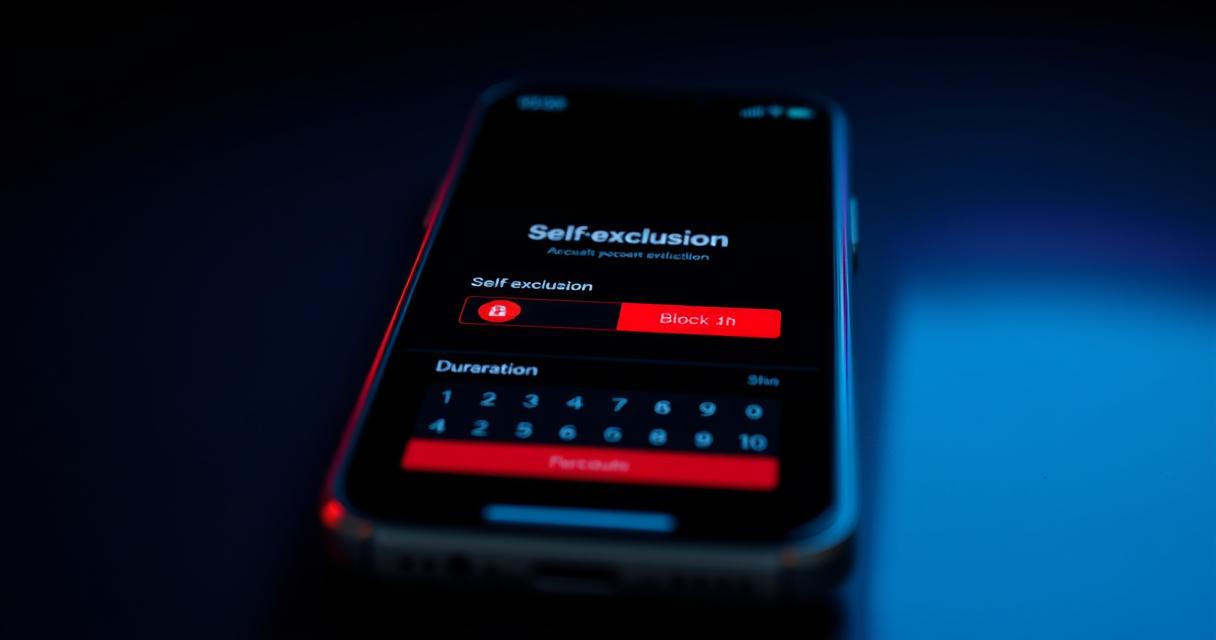
A cooling-off period is a shorter version of self-exclusion, usually lasting between 24 hours and six months. Unlike full self-exclusion, cooling-off periods are reversible, but only after the chosen duration expires. This makes them ideal for players who need a temporary break but are not ready to quit entirely. For example, if you notice you are chasing losses after a bad slot session, a 72-hour cooling-off period can give you space to reset without the temptation of logging back in. Some casinos also allow you to exclude yourself from specific games, so you might block access to high-volatility slots while still being able to play low-stakes roulette.
Loss Limits and Wagering Controls
Loss limits are similar to deposit limits but focus on the amount you are willing to lose rather than the amount you deposit. You can set a cap on daily, weekly, or monthly losses, and once that limit is hit, the casino will prevent you from placing any more bets until the period resets. This tool is especially useful for players who get caught up in the excitement of tournaments or progressive jackpots. For instance, if you set a daily loss limit of 2,000 KES and lose that amount by noon, you will not be able to wager again until midnight. Some casinos also offer win limits, which lock your account once you reach a certain profit threshold, ensuring you walk away with your winnings instead of giving them back.
Wagering controls now include flexible betting limits, allowing you to customize restrictions on the types of bets you place for better accessibility. You might limit your bets to 100 KES per spin on slots, considering Slot jackpot odds, or set an hourly cap of 5,000 KES on total wagers. These controls are particularly helpful for players who tend to increase their stakes after a few drinks or during a winning streak. Some platforms even allow you to block specific game features, such as autoplay or turbo mode, which can accelerate losses without you realizing it. By customizing these settings, you create a safety net that matches your playing style and risk tolerance.
Third-Party Support and Voluntary Exclusion Networks
Self-exclusion does not have to be limited to a single casino. Many jurisdictions, including Kenya, have centralized exclusion databases that allow you to block yourself from multiple operators at once. The Betting Control and Licensing Board maintains a national self-exclusion register, and signing up means your details are shared with all licensed casinos in the country. This prevents you from simply switching platforms when you feel the urge to play. Some international networks, like GamStop in the UK, work similarly, though their coverage in Kenya is limited to casinos that voluntarily participate.
Third-party support organizations also offer tools to complement self-exclusion. For example, Gamblers Anonymous provides a 12-step program and peer support groups, while the National Council on Problem Gambling operates a helpline that can guide you through the exclusion process. Some casinos partner with these organizations to offer direct links to their services from the responsible gambling section of their websites. If you are unsure whether self-exclusion is right for you, these groups can help you assess your habits and decide on the best course of action. They also provide resources for friends and family members who may be concerned about a loved one’s gambling behavior.
How Casinos Enforce Responsible Gambling Tools
Responsible gambling tools are only effective if they are enforced consistently, and licensed casinos use a combination of technology and human oversight to ensure compliance. When you set a deposit limit, the system automatically flags any attempt to exceed it, and customer support cannot override the block without a formal review. Some platforms even require you to confirm your limits in writing or via a video call to prevent accidental changes. For self-exclusion, casinos use identity verification tools to cross-check your details against exclusion lists, so even if you try to create a new account, the system will recognize you and deny access.
Behind the scenes, casinos also monitor player behavior for signs of problem gambling. Algorithms track patterns like frequent deposits, chasing losses, or extended play sessions, and if the system detects concerning activity, it may trigger a temporary account freeze or suggest a cooling-off period. Some operators take this a step further by training their support staff to recognize red flags and offer assistance. For example, if you contact customer service to complain about a blocked deposit, the agent might ask if you are aware of your limits and whether you need help adjusting them. This proactive approach ensures that responsible gambling tools are not just passive features but active safeguards.
Customizing Tools for Different Player Types
Not all players have the same gambling habits, and responsible gambling tools are designed to be flexible enough to accommodate different needs. High rollers might set higher deposit limits but pair them with strict loss caps to protect their bankrolls. Casual players, on the other hand, might use session time reminders to ensure they do not spend more than an hour on slots after work. Some casinos even offer pre-commitment tools, which let you set your limits before you start playing. This is particularly useful for tournament players, who can decide in advance how much they are willing to spend on entry fees and stick to that budget regardless of the prize pool.
For players who prefer table games, some platforms allow you to set limits on specific bet types, such as side bets in blackjack or insurance in roulette. These small wagers can add up quickly, and restricting them can help you stay within your overall budget. Mini-game enthusiasts can also benefit from these tools, as many casinos treat free spins or bonus rounds as part of your wagering activity. By setting a cap on how much you can spend on these features, you avoid the trap of chasing a big win with money you did not plan to risk. The key is to tailor the tools to your playing style, so they work for you rather than against you.

I’ve spent the last decade dissecting everything from classic slot volatility to the latest crash game mechanics, driven by a genuine fascination with how RNG and math drive entertainment. Whether I’m tracking tournament meta-changes or hunting for hidden features in new mini-games, my goal is to share honest insights that help players understand the games they love.