
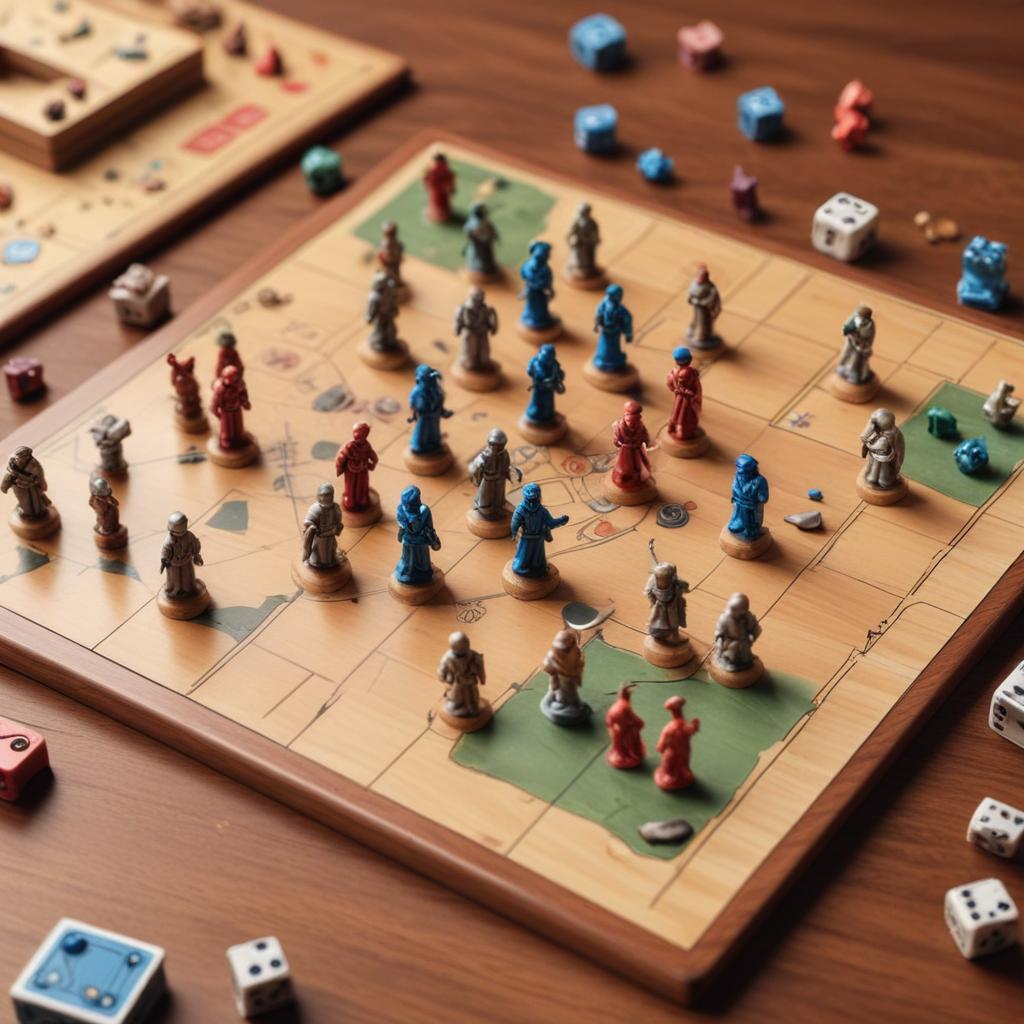
Introduction to Mini-Games for Strategy Players
Strategy mini-games have carved out a unique niche in the world of gaming, specifically designed to challenge and engage strategy players with a passion for tactical thinking. Unlike traditional games that may rely heavily on chance or action, these game types focus primarily on planning, decision-making, and foresight. For players who thrive on analyzing complex scenarios and outsmarting opponents, strategy mini-games offer an ideal playground where intellect and strategy reign supreme.
What makes strategy mini-games so appealing to strategy players is their deep emphasis on skillful gameplay over mere reflexes or luck. These games often require players to manage resources, devise effective tactics, and anticipate the moves of competitors. This level of engagement attracts players who enjoy puzzle-solving and critical thinking, as every choice often impacts the outcome in meaningful ways. By tackling a variety of game types tailored to these preferences, strategy players find endless opportunities to hone their skills and enjoy dynamic challenges.
Additionally, the concise nature of mini-games offers a perfect balance between complexity and accessibility. Strategy players can dive into these shorter sessions without committing to hours-long gameplay, allowing them to enjoy strategic depth in a more casual and flexible format. This accessibility broadens the appeal to players of different experience levels and makes it easier to experiment with diverse strategies across different game setups.
In essence, strategy mini-games are a celebration of cognitive skill and thoughtful interaction, making them a captivating choice for players who prefer games that stimulate the mind. Whether it’s through competitive duels, cooperative challenges, or solo puzzles, these game types cater specifically to the analytical mindset, offering rewarding experiences grounded in clever tactics and strategic execution.
Top Mini-Games That Challenge Strategy Skills
For players who thrive on mental challenges and enjoy honing their strategy skills, there exists a selection of the best mini-games that demand thoughtful planning and tactical decision-making. These challenging mini-games are favorites among strategy-focused players due to their complex mechanics and engaging gameplay. Below is a table discussing some of the most popular mini-games that test your strategic thinking and provide hours of mental stimulation.
| Mini-Game | Description | Key Strategy Elements | Why It’s a Top Choice |
|---|---|---|---|
| Chess Puzzles | Classic chess puzzles that require players to find checkmate or gain material advantage within limited moves. | Pattern recognition, planning ahead, foresight | Enhances traditional chess skills and forces players to think several steps ahead. |
| Sudoku Variants | Advanced Sudoku puzzles that incorporate additional rules or number constraints. | Logical deduction, spatial reasoning, patience | Challenges players to adapt their logic in fresh and complex ways. |
| Tower Defense Mini-Games | Players strategically place defenses to stop waves of enemies from reaching a target. | Resource management, positioning, timing | Combines rapid decision-making with long-term planning under pressure. |
| Resource Management Simulators | Short mini-games focused on gathering and allocating limited resources effectively. | Optimization, prioritization, multitasking | Great for players who enjoy maximizing outputs and efficiency through strategy. |
| Card Drafting Games | Mini-games where players pick cards in turn to build the best deck or combination. | Probability assessment, adaptive strategy, risk management | Mirrors complex board game tactics in a quick, accessible format. |
Each of these mini-games offers unique challenges that test and expand your strategy skills. Whether you prefer the cerebral challenge of chess puzzles or the dynamic planning required in tower defense games, these best mini-games are perfect for strategy lovers looking to sharpen their minds through engaging and demanding gameplay.
Chess Variants and Puzzle Games
Chess mini-games and puzzle strategy challenges offer fascinating twists on the classic game that test players’ strategic foresight and problem-solving abilities. Popular chess variants such as Chess960, also known as Fischer Random Chess, shuffle the back-rank pieces at the start, demanding fresh opening tactics and adaptive thinking from players. Another engaging variant is Bughouse Chess, where partners exchange captured pieces to add to their board, introducing a dynamic layer of team strategy and real-time decision making.
Puzzle-based mini-games in the chess world often involve solving intricate mate-in-n moves or defensive problems that refine players’ calculation skills and deepen their understanding of positional play. These puzzles serve as excellent brain exercises, forcing players to anticipate opponent moves and craft the most efficient path to victory. They complement traditional chess playing by honing specific cognitive skills and encouraging creative strategic planning.
Board game variants like «King of the Hill» or «Three-Check» add unique objectives beyond checkmate, challenging players to adjust tactics and pursue alternative forms of dominance on the board. Such variations expand the strategic possibilities and realms of game theory in chess, appealing to those who enjoy exploring new methods of outsmarting opponents. Altogether, chess mini-games and puzzle strategy formats deepen the enjoyment for enthusiasts seeking fresh ways to engage with board game variants and sharpen their mental acuity.
Real-Time Strategy Mini-Games
Real-time strategy (RTS) mini-games offer a thrilling experience for players who thrive on quick thinking and tactical gameplay. These mini-games simulate the fast-paced, dynamic environments found in larger RTS titles, demanding not only swift reactions but also sharp strategic planning. Players must manage resources, deploy units, and adapt to ever-changing battle conditions, all while maintaining control of their forces in real time.
What sets RTS mini-games apart is the intensity of their tactical gameplay. Success requires mastering the art of multitasking and prioritization, balancing offense and defense simultaneously. The ability to anticipate an opponent’s next move and respond effectively with counter-strategies is crucial. This makes RTS mini-games an excellent way to sharpen decision-making skills under pressure.
From quick skirmishes to complex scenarios, RTS mini-games cater to different levels of strategic depth. Whether it’s micromanaging units for tactical advantages or making high-level strategic choices regarding unit composition and terrain usage, these games simulate the core aspects of real-time strategy in digestible, fast sessions. They provide a playground for enthusiasts to refine their strategic instincts and enjoy the excitement of real-time warfare without the commitment of a full-scale RTS game.
Benefits of Playing Strategy-Focused Mini-Games
Engaging in strategy-focused mini-games offers a variety of benefits that extend beyond mere entertainment. One of the most prominent strategy benefits is the enhancement of mental skills. These games require players to think critically, plan ahead, and make calculated decisions, which help improve cognitive functions such as problem-solving, memory retention, and logical reasoning.
Players regularly involved in strategy mini-games often notice sharper mental acuity and heightened concentration levels. The challenge of anticipating opponents’ moves or predicting game outcomes stimulates the brain, fostering mental agility and quick thinking under pressure. This mental exercise is not only enjoyable but also beneficial in everyday problem-solving scenarios.
Moreover, the game advantages of strategy-focused mini-games include improved decision-making skills. Since players must evaluate different possibilities and choose optimal strategies, they learn to weigh risks and rewards effectively. This repeated practice can translate well into real-life situations where strategic planning and decision-making are crucial.
In addition to cognitive improvements, these mini-games provide significant entertainment value by offering engaging and immersive experiences. Players are often drawn to the intellectual challenge, which adds a layer of satisfaction beyond simple gameplay mechanics. This blend of fun and mental workout makes strategy-focused mini-games deeply rewarding and popular among gaming enthusiasts.
Strategy benefits also encompass enhanced patience and perseverance. Many of these games require players to develop long-term plans and adapt strategies based on evolving circumstances, teaching valuable lessons in adaptability and resilience. The sense of accomplishment from successfully navigating complex challenges contributes to overall psychological well-being.
Finally, regular participation in strategy-focused mini-games can foster social skills when these games include multiplayer elements. Collaborating with or competing against others encourages communication, teamwork, and sportsmanship, enriching the gaming experience and building community connections.
Improving Critical Thinking and Decision Making
Mini-games designed for strategy-focused players offer significant benefits by enhancing critical thinking skills and sharpening decision-making under pressure. These games often present complex scenarios that require players to analyze multiple variables, anticipate opponents’ moves, and devise effective strategies in real-time. By engaging in these challenges, players train their minds to evaluate information quickly, weigh potential outcomes, and make sound judgments efficiently.
One of the core strategy games benefits is the improvement in cognitive flexibility. Players learn to adapt their plans dynamically when new information arises or when unexpected obstacles occur. This constant mental exercise strengthens their ability to think critically, encouraging deeper analysis rather than relying on impulsive reactions. The intense nature of mini-games, often featuring time constraints or limited resources, forces players to prioritize and decide swiftly, simulating high-pressure environments where effective decision making is crucial.
Moreover, these mini-games cultivate patience and foresight, essential components of strategic thinking. Players repeatedly practice evaluating cause and effect relationships, which translates well into real-world problem-solving skills. Ultimately, the repeated engagement with such games hones a player’s capacity to remain calm under pressure and make informed decisions—an invaluable skill both within gaming and beyond.
Enhancing Focus and Patience
Mini-games designed for strategy-focused players play a crucial role in cultivating both focus and patience. These games often require sustained attention over longer periods, prompting players to maintain concentration and carefully plan their moves. Unlike fast-paced action games, strategy mini-games encourage a slower and more thoughtful approach, which helps in sharpening mental endurance and improving the ability to stay attentive through challenging scenarios.
The development of patience is equally important in strategy gameplay. Mini-games often present complex problems or puzzles that cannot be solved impulsively. Players learn to manage frustration and delay gratification as they experiment with different tactics, refining their approach with each attempt. This iterative process nurtures a mindset of persistence and resilience, key traits for mastering more extensive strategy games.
Moreover, the focus required in these mini-games enhances cognitive control and decision-making skills, which are transferable to broader strategy gameplay. Sustained focus helps players to better analyze opponents’ strategies and predict future moves, an essential aspect of strategic thinking. Overall, mini-games act as effective training grounds where players can enhance their focus and patience, strengthening their overall strategy gameplay performance.

I’ve spent the last decade dissecting everything from classic slot volatility to the latest crash game mechanics, driven by a genuine fascination with how RNG and math drive entertainment. Whether I’m tracking tournament meta-changes or hunting for hidden features in new mini-games, my goal is to share honest insights that help players understand the games they love.